
Plants
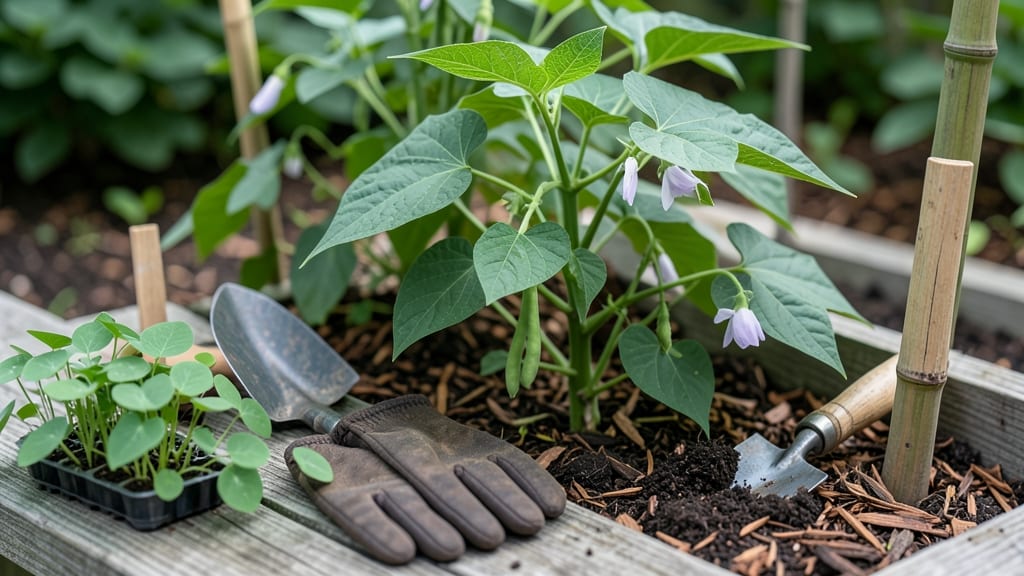
Planting green beans in Zone 6 after the last frost—typically around mid-April—sets the stage for a burst of summer harvests 🌱.
But here’s the catch: rush it, and a late frost will turn your tender seedlings into sad, stunted plants. Wait too long, and the heat arrives before the pods set, leaving you with empty vines.
The sweet spot? Aim for soil temperatures of 60°F or warmer, which usually aligns with late April to early May for most of Zone 6.
This guide breaks down the exact frost-free deadlines for bush and pole varieties, plus how to stretch your planting window with row covers or succession sowing.
Whether you’re in cooler 6a or milder 6b, you’ll learn how to time it right for peak yields—and avoid the common mistakes that ruin harvests.
From pre-sprouting seeds to pairing beans with the right companions, we’ll cover every trick to turn your Zone 6 garden into a green bean goldmine by July.
Zone 6 green bean planting timeline: exact dates for bush and pole varieties
Green beans are warm-season crops that need consistent temperatures above 60°F to thrive. In Zone 6, timing your planting is crucial—miss the window by even a week, and you risk frost damage or stunted growth.
The best time to plant depends on whether you're growing bush beans (compact, 3–5 ft tall) or pole beans (vining, 6–8 ft tall), as well as your local microclimate.
Most Zone 6 gardeners aim to plant green beans 2–4 weeks after the last frost date, typically between mid-April and mid-May. However, you can also extend your harvest by planting a fall crop 8–10 weeks before your first frost (usually late July to early August).
Let’s break down the exact timelines for both varieties, plus how to adjust for your specific location.
| Planting Window | Variety | Soil Temp Requirement | Days to Harvest | Notes |
|---|---|---|---|---|
| Mid-April to early May | Bush Beans | 60°F+ | 50–60 days | Plant after last frost; use row covers for early starts. |
| Late April to mid-May | Pole Beans | 60°F+ | 60–75 days | Needs trellis; plant seeds 1 inch deep, 4–6 inches apart. |
| Late July to early August | Bush Beans (Fall) | 60°F+ | 45–55 days | Plant 8–10 weeks before first frost; choose fast-maturing varieties. |
| Early to mid-August | Pole Beans (Fall) | 60°F+ | 55–65 days | Use row covers to extend season; harvest before frost. |
🌱 Pro Tip: Check your local microclimate—valleys stay cooler longer, while south-facing slopes warm up faster.
For bush beans, the ideal planting window is mid-April to early May, once the soil has warmed to at least 60°F and the risk of frost has passed.
These compact varieties mature quickly (50–60 days), making them perfect for succession planting every 2 weeks to stretch your harvest. Popular choices like Blue Lake or Contender thrive in this timeframe.
If you’re growing pole beans, wait until late April to mid-May to ensure the soil is consistently warm. Pole beans take longer to mature (60–75 days) and benefit from a longer growing season.
Varieties like Kentucky Wonder or Rattlesnake reward patience with higher yields per plant, but they need a trellis or sturdy support to climb.
Don’t overlook the fall planting window—it’s a game-changer for extending your harvest into September or October. Plant bush beans in late July to early August for a quick turnaround (45–55 days to harvest).
For pole beans, aim for early to mid-August, choosing varieties like Blue Lake Bush or Golden Wonder that mature faster in cooler weather.
To calculate your local microclimate adjustments, note that areas near large bodies of water or urban heat islands may warm up faster, while high elevations or northern exposures stay cooler.
Use a soil thermometer to confirm temperatures before planting—green beans won’t germinate below 55°F, and growth slows dramatically below 60°F.
For an early start, try pre-sprouting seeds indoors 7–10 days before your target planting date. Place seeds in a damp paper towel, keep them in a warm (70–80°F) location, and transplant the sprouted seeds directly into the garden once soil temperatures rise.
This trick helps you beat cool spring soils and get a head start on the season.
Finally, consider companion planting to protect your beans and improve yields. Pair them with corn or cucumbers (which provide shade and deter pests), or interplant with radishes or lettuce to maximize space. Avoid planting near onions or garlic, as they can stunt bean growth due to chemical interactions.
With these timelines and tips, you’ll be well on your way to a bountiful green bean harvest in Zone 6—whether you’re growing bushy compact varieties or <
5 Critical factors that determine the best planting time for green beans
While frost dates are the first thing most gardeners check, they’re only part of the story for green beans in Zone 6. The real magic happens when you layer in soil warmth, daylight length, pest pressure, and succession planting strategies.
Ignoring these factors can turn your ideal planting window into a recipe for stunted plants or empty vines. Let’s break down what truly matters—and how to tweak your timing for success.
First, soil temperature is non-negotiable. Green beans need soil that’s at least 60°F to germinate and grow. In Zone 6, this usually aligns with late April to early May, but cooler microclimates (like shaded spots) might need a delay.
Use a soil thermometer to confirm—planting too early in cold soil leads to slow germination and weak seedlings. I’ve seen gardeners rush planting and end up with patchy, uneven growth because they skipped this step.
Next, daylight length plays a sneaky role. Green beans thrive with 14+ hours of daylight, which in Zone 6 typically kicks in by mid-May. Planting too early means shorter days can stress young plants, slowing their growth.
This is why late-May plantings often outperform early ones, even if the soil is warm enough. Pay attention to your local sunrise/sunset times—apps like Sun Surveyor can help track daylight changes.
- Soil Warmth (60°F+): Wait until soil reaches 60°F—cold soil delays germination. Use black plastic mulch 1–2 weeks before planting to warm it faster.
- Daylight Length (14+ hours): Aim for late May when days are long enough. Early plantings may struggle with shorter daylight.
- Pest Pressure: Plant early (April) risks bean beetles; late plantings (June+) avoid them but may face Japanese beetles. Use row covers for early starts.
- Succession Planting: Stagger plantings every 2 weeks from May to July for continuous harvests. Pole beans benefit most from this.
- Companion Plants: Pair with marigolds or nasturtiums to deter pests. Avoid planting near onions or garlic—they stunt growth.
Don’t overlook pest pressure, which shifts depending on when you plant. Early plantings in April risk bean beetles, while late plantings in June or July may attract Japanese beetles.
I’ve found that using floating row covers for the first 3–4 weeks after planting can block pests without chemicals. For extra protection, interplant with marigolds or nasturtiums, which naturally repel many garden pests. Avoid planting near onions or garlic—their strong scents can inhibit green bean growth.
For succession planting, the key is spacing. Start your first batch in late May, then add new seeds every 2 weeks until early July. This ensures a steady supply of fresh pods instead of a single, overwhelming harvest.
Pole beans, in particular, benefit from this method because they produce for a longer period. I’ve used this strategy to extend my harvest from July into early September—just be sure to leave enough space between plantings to avoid overcrowding.
Finally, mulch and row covers can stretch your planting window. Lay down black plastic mulch 1–2 weeks before your target date to warm the soil faster. For cooler springs, use lightweight row covers to protect seedlings while still allowing sunlight.
These tricks let you plant up to 2 weeks earlier without risking frost damage. Just remember to remove covers once flowers appear to encourage pollination.
Timing your green bean planting isn’t just about avoiding frost—it’s about aligning with your garden’s unique conditions. By focusing on soil warmth, daylight, pest patterns, and succession strategies, you’ll turn your Zone 6 garden into a green bean powerhouse.
Start with these five factors, and you’ll be picking fresh pods in no time!