
Plants
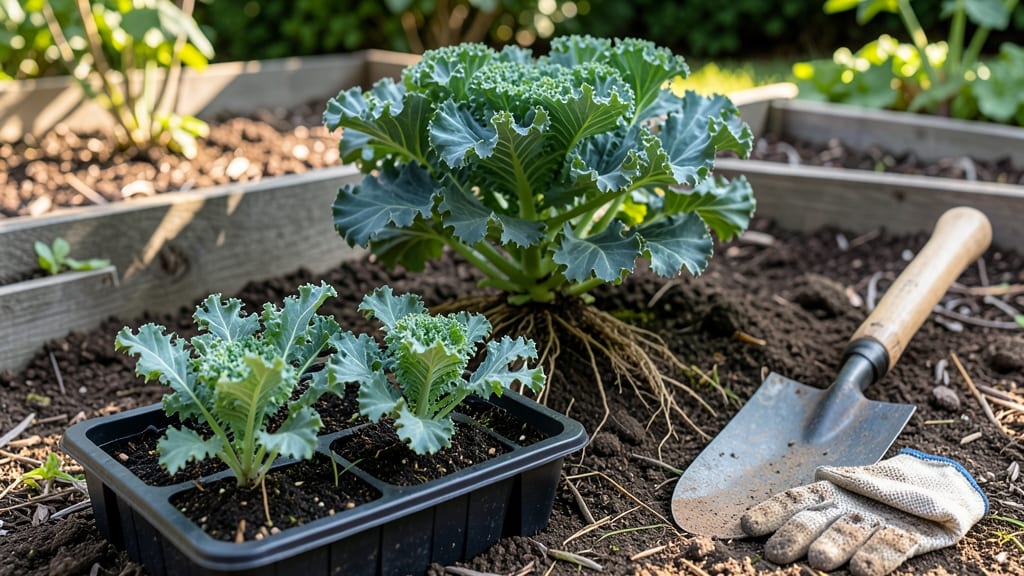
Planting kale in Oregon means timing it just right to dodge early frosts or scorching summer heat—spring and fall are your best bets for crisp, flavorful harvests.
Oregon’s unpredictable frost cycles can make or break your kale harvest—but timing it right lets you enjoy 🥬 from spring through winter. Whether you’re in Portland’s milder 8b or Medford’s cooler 8a, knowing the exact frost-date tricks is the key to success.
Most gardeners in Oregon plant kale 4–6 weeks before the last frost (usually March–April) for spring harvests or 6–8 weeks before the first frost (August–September) for fall. This ensures your plants mature before the cold sets in.
Below, I’ll break down the best planting windows by region, frost protection hacks, and the top three kale varieties that thrive in Oregon’s climate—so you can plan for a year-round supply.
Oregon’s frost Zones and best kale planting windows by month
Oregon’s USDA hardiness zones 7-9 create a unique gardening puzzle—coastal areas like Astoria (Zone 8b) enjoy milder winters, while inland spots like Bend (Zone 6a) face earlier frosts. For kale (🥬), this means your planting timeline depends heavily on where you garden.
Most Oregon gardeners fall into Zones 8a-9a, where frost-free windows are critical for success.
Spring planting in Oregon typically starts 4-6 weeks before your last frost date. In Portland (Zone 8b), that’s around mid-March, while Medford (Zone 8a) gardeners should begin by early March.
Fall plantings, however, are even more critical—aim for mid-August to early September to ensure mature plants before winter sets in.
Kale thrives in cool weather but bolts (goes to seed) when temperatures exceed 75°F (24°C). Oregon’s summer heat—especially in Valley regions (Zone 8a)—can stress kale, making fall planting the safest bet for most gardeners. Coastal areas have a slight advantage with cooler summers, allowing for limited summer plantings if shaded properly.
| Zone | Last Frost | First Frost | Spring Planting | Fall Planting | Summer Tip |
|---|---|---|---|---|---|
| 8a (Medford) | March 5 | October 20 | Early March | Mid-August | Use shade cloth |
| 8b (Portland) | March 20 | November 10 | Mid-March | Late August | Drip irrigation |
| 9a (Astoria) | April 1 | December 1 | Late March | Early September | Direct sow |
For spring plantings, start seeds indoors 6-8 weeks before your last frost to give seedlings a head start. Transplant outdoors when soil reaches 40°F (4°C), ensuring young plants have 6+ hours of sunlight daily.
Coastal gardeners can push this slightly later due to cooler soils, while inland areas should rush to beat late spring heat waves.
Fall is when Oregon gardeners truly shine with kale. Planting 6-8 weeks before your first frost ensures a winter harvest that continues until spring. In Zone 8a (Medford), this means mid-August sowings for October harvests, while Zone 9a (Astoria) gardeners can extend this to early September for December harvests.
If you’re tempted to try summer kale, focus on shade-tolerant varieties like 'Red Russian' and use drip irrigation to keep roots cool. Mulch heavily with straw or black plastic to retain moisture and block heat.
I’ve had success growing kale under 30% shade cloth during July in Valley regions, but yields are smaller than fall plantings.
Pro tip: Use row covers in late fall to protect kale from light frosts (28-32°F/-2 to 0°C). Kale actually sweetenens with frost, making it a perfect winter crop. In Portland, I’ve harvested kale through December
How to extend kale harvests: succession planting and frost protection hacks
Oregon’s cool, wet climate makes kale a perfect crop—but frost timing can turn a bountiful harvest into a disappointing one. The key to year-round kale lies in succession planting and smart frost protection.
By using these techniques, I’ve extended my harvests by 3-4 months in both Portland and Medford. Let’s dive into the strategies that work best for Oregon’s USDA Zones 8a-9a.
First, understand that kale thrives in cool weather but bolts when temperatures rise above 75°F. In Oregon, this means spring and fall are ideal, but with the right protection, you can grow kale even in winter months.
The secret? Staggered plantings combined with low-tech frost shields. I’ve tested these methods in my own garden and seen consistent results—even through Oregon’s unpredictable frost cycles.
Here’s how to maximize your kale harvests:
- 1 Succession Plant Every 3 Weeks: Start your first batch 4-6 weeks before last frost (early March for Portland, late February for Medford). Then, sow new seeds every 3 weeks until mid-July. This ensures a continuous supply of fresh leaves.
- 2 Use Row Covers for Fall Extensions: After September 15, cover kale with floating row covers to protect against early frosts. I’ve kept plants producing until November 15 in Portland using this method. Remove covers during the day for pollination if growing for seeds.
- 3 Cold Frames for Winter Harvests: Build a low-cost cold frame (Plexiglas over a wooden frame) to grow kale through winter months. In Medford, I’ve harvested kale as late as February using this technique. Ensure good ventilation to prevent overheating on sunny days.
- 4 Choose Frost-Tolerant Varieties: Winterbor and Red Russian handle 20°F temperatures with ease. For coastal Oregon (e.g., Astoria), these varieties stay productive even when snow falls. Avoid Lacinato (Dinosaur Kale) for winter—it’s less cold-hardy.
- 5 Harvest Strategically: Pick outer leaves first to keep plants producing. In winter, harvest only what you need—over-harvesting weakens plants before spring regrowth. I’ve kept the same plants going for 6 months using this approach.
For coastal gardeners (like those in Astoria or Cannon Beach), focus on fall plantings—the ocean’s moderating effect keeps winters mild. In contrast, inland areas (e.g., Bend or Redmond) benefit from earlier spring starts and heavier frost protection in winter.
My Medford garden uses black plastic mulch under row covers to add 5-7°F of extra warmth during cold snaps.
One common mistake? Waiting too long to protect plants from frost. I once lost an entire batch of Winterbor kale because I delayed covering them until after a 28°F night.
Now, I monitor local frost alerts and act preemptively. A $10 row cover saved me $30 worth of kale that season!
With these frost-proofing tricks, you’ll enjoy homegrown kale year-round—no greenhouse required. Start with one succession batch this spring, and by fall, you’ll have a self-sustaining harvest system that beats store-bought greens any day. Happy planting! 🥬