
Plants
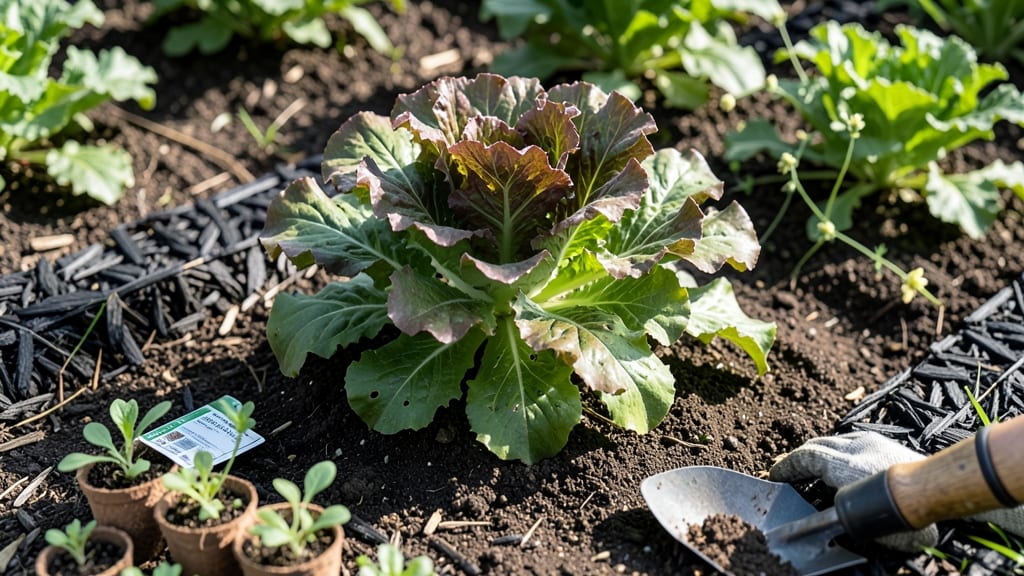
Planting lettuce in Arkansas means timing it just right—spring and fall are your best bets, with late February through March and late August through September offering the sweet spot for fresh 🥬 harvests.
Arkansas gardeners know timing is everything—plant lettuce too early, and frost will ruin your crop; too late, and the summer heat turns your leaves bitter. Mastering the perfect frost-free window and heat-tolerant varieties can mean the difference between a thriving salad garden and a disappointing harvest.
In USDA zones 7a-8b, the last frost typically hits around mid-March, giving you a 6-week window before summer’s relentless heat forces lettuce to bolt. Meanwhile, fall plantings must start by late August to mature before the first frost in mid-November.
Below, I’ll break down the exact frost dates by region, the best heat-resistant varieties for Arkansas summers, and pro tips to stretch your growing season—so you can enjoy crisp, homegrown lettuce from spring through fall.
Arkansas lettuce planting calendar: frost dates & ideal timeframes
Arkansas' USDA zones 7a-8b create a unique growing environment where lettuce thrives in cool seasons but struggles under summer heat.
The key to success lies in understanding your local frost dates and planting during the optimal frost-free windows—typically late winter to early spring and late summer to early fall. These timeframes ensure your lettuce matures before extreme heat or frost arrives.
For spring lettuce, aim to plant 4-6 weeks before your last frost date, which varies across Arkansas' three regions.
Northern Arkansas (zone 7a) has the latest frost dates, while Southern Arkansas (zone 8b) enjoys longer growing seasons. Fall planting should begin 8-10 weeks before your first frost, allowing enough time for harvest before cold sets in.
Historical frost data shows Arkansas' last spring frost typically occurs between March 1-15, with the first fall frost arriving around November 1-15. However, microclimates—like urban heat islands or elevated areas—can shift these dates by 1-2 weeks. Always check local weather forecasts and use frost-free date calculators from the Arkansas Cooperative Extension Service for precision.
Here’s a region-specific breakdown of Arkansas’ frost-free windows and ideal planting times for lettuce:
In Northern Arkansas (zone 7a), where frost lingers longer, start spring lettuce seeds indoors in late January for transplanting outdoors by mid-March.
For fall harvests, sow seeds by mid-August to ensure maturity before frost. Central Arkansas (zones 7b-8a) offers a slightly longer window—plant outdoor lettuce directly in early February for spring and late July for fall.
Southern Arkansas (zones 8a-8b) enjoys the longest frost-free season, allowing for year-round lettuce production with heat-tolerant varieties. Here, you can plant spring lettuce as early as January and extend fall planting until mid-October.
However, even in warmer zones, summer heat (above 80°F) will cause lettuce to bolt prematurely, so focus on shade-loving varieties or use row covers.
To maximize your Arkansas lettuce harvest, align planting with moon phases and soil temperatures. Lettuce grows best in 50-65°F soil, so avoid planting when ground temperatures exceed 75°F.
Use mulch or shade cloth to regulate soil temperature and retain moisture during hot Arkansas summers. For fall lettuce, aim to harvest before October temperatures drop below 50°F.
Pro tip: Keep a gardening journal to track your local frost dates and adjust planting times yearly. Arkansas' humid climate can also affect frost timing—cloud cover may delay frost, while clear nights can bring
Best heat-tolerant lettuce varieties for Arkansas summers
Arkansas summers bring 90°F+ temperatures that send most lettuce varieties bolting faster than you can say "salad." But don't give up on your leafy greens just yet! These heat-tolerant varieties are bred to handle Arkansas' summer sun while still delivering crisp, flavorful harvests.
I've grown these myself in USDA zones 7a-8a, and they consistently outperform standard lettuce in my hot, humid garden.
When selecting varieties, focus on loose-leaf types and semi-heading lettuces—they handle heat better than crispheads. Look for varieties labeled "heat-tolerant" or "slow-to-bolt" on seed packets.
My top picks balance heat resistance, growth speed, and flavor to keep your kitchen stocked with fresh greens even when the mercury rises.
Black Seeded Simpson is my top recommendation for Arkansas summers. This loose-leaf variety handles 90°F+ temperatures better than most lettuces, thanks to its thick, waxy leaves that reduce moisture loss. I've harvested crisp, flavorful leaves from this variety well into July in my Little Rock garden by providing afternoon shade. The flavor is mild but slightly peppery, perfect for summer salads when other greens bolt.
For a crisphead option, try Jericho lettuce. It's one of the few butterhead varieties that tolerates heat, though it prefers partial shade during Arkansas' peak afternoons. Jericho delivers tender, buttery leaves in just 50 days, making it ideal for quick harvests.
I plant Jericho in late August for a fall crop that thrives through October's milder temperatures. The flavor is sweet and delicate, perfect for Caesar salads.
Summer Crisp is another excellent choice for Arkansas gardeners who want crisp, romaine-style lettuce without the bolting. This variety handles 80°F+ temperatures exceptionally well and maintains its crisp texture even in summer humidity. I grow Summer Crisp in raised beds with drip irrigation to keep roots consistently moist. The flavor is bold and slightly bitter, ideal for wraps or chopped salads. It matures in 55 days, giving you a harvest window from late June through September.
Don't overlook Rouge D'Hiver for late-summer plantings. This French heirloom has deep red leaves that add visual appeal to any salad bowl. It tolerates 78°F+ temperatures and continues producing even when other varieties bolt.
I've found it particularly successful when planted in September for a harvest through November's first frost. The flavor is earthy and slightly spicy, making it a great addition to mixed greens or as a garnish for grilled meats.
For a hardy, low-maintenance option, Oakleaf lettuce is my go-to for succession planting throughout the summer. Its wrinkled, oak-shaped leaves handle Arkansas' heat better than most varieties, and it rarely bolts. I plant Oakleaf every 2-3 weeks from May through July to ensure a continuous harvest.
The flavor is mild and slightly sweet, perfect for quick salads or as a side dish. It thrives in partial shade and matures in just 45 days.
To maximize your summer lettuce harvest in Arkansas, combine these heat-tolerant varieties with shade cloth during peak afternoon sun (1-4 PM). I use 30-50% shade cloth to reduce temperatures by 10-