
Plants
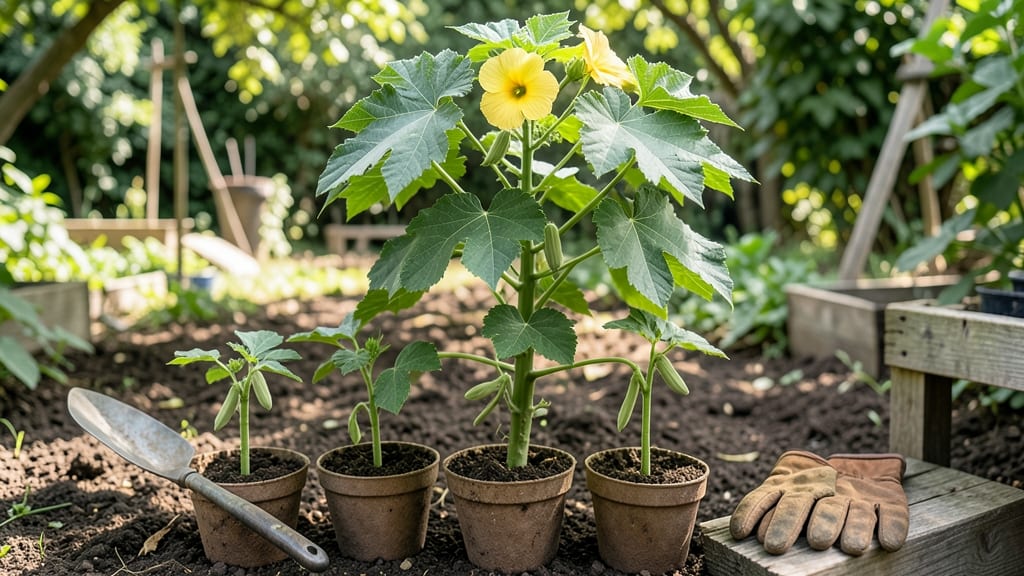
Planting okra in California after the last frost — typically late March to early May — ensures this heat-loving veggie thrives in your garden.
California’s warm climate makes okra a perfect addition to your garden—but timing is everything. Plant too early, and frost will kill your seedlings; too late, and you’ll miss the long, hot growing season this heat-loving plant craves.
Coastal areas like San Diego can start as early as February, while inland regions should wait until soil warms to 60°F (usually April). The key is matching your planting window to your microclimate.
Below, I break down the best planting times by region, top heat-tolerant varieties, and pro tips to extend your harvest—so you can enjoy fresh okra from June to November.
California okra planting calendar: frost-free deadlines by region
Okra thrives in California's warm climate, but timing your planting depends entirely on your microclimate. Unlike frost-sensitive crops, okra requires consistent temperatures above 85°F to produce pods. Coastal areas enjoy year-round growing potential, while inland regions need to wait for soil warmth to avoid stunted growth.
Southern California’s mild winters mean you can plant okra as early as February in coastal areas like San Diego, where frost is rare. Inland regions like Riverside should wait until mid-April when nighttime temps stay above 60°F.
The Central Valley has the shortest window—plant between late April and early June to avoid summer heat stress.
Last frost dates aren’t a concern for most Californians, but soil temperature is critical. Use a soil thermometer to confirm 60°F+ before planting. Coastal areas can start 3-4 weeks earlier than inland zones, giving you a longer harvest window before fall rains arrive.
| Region | Planting Window | Soil Temp Requirement | Heat Tolerance Threshold | Notes |
|---|---|---|---|---|
| Southern California (Coastal) | February–April | 60°F+ | 85°F+ | Year-round growth possible; harvest until October. |
| Central Valley | Late April–Early June | 65°F+ | 90°F+ | Plant after last frost risk; mulch to retain moisture. |
| Northern Coastal (SF Bay) | March–May | 60°F+ | 80°F+ | Use shade cloth for summer heat; harvest until September. |
In Southern California, I’ve seen okra planted as early as January in protected microclimates like Palm Springs, but February is safer for most gardeners. The key is avoiding spring rains, which can rot seeds.
Use raised beds or container gardens to improve drainage in clay-heavy soils common in Los Angeles County.
For Central Valley growers, May planting is ideal—this gives okra 60+ days of 90°F+ heat before fall cools down. If you plant in June or July, expect slower growth and smaller pods due to shorter daylight. Always choose heat-tolerant varieties like 'Clemson Spineless' for these regions.
Coastal areas like San Francisco and Santa Barbara face unique challenges: cool summer fog can delay pod production. Start seeds indoors in March and transplant after Memorial Day when daytime temps consistently hit 75°F+.
Use black plastic mulch to warm soil faster and extend the season by 2-3 weeks.
Okra’s heat tolerance is its superpower, but extreme heat (100°F+) can stress plants. In inland desert regions, provide afternoon shade during July and August to prevent bolting (premature flowering). Drip irrigation is non-negotiable—it keeps leaves dry and reduces powdery mildew risk.
My pro tip: Plant okra in succession every 2 weeks from March to July to ensure a continuous harvest. This works especially well in coastal gardens, where you can harvest pods until November.
In hotter inland areas, focus on one planting in May for a late-summer harvest before rains arrive.
Always monitor pod development—okra pods mature in 50-60 days, but harvesting early (when pods are 2-3 inches long) ensures tender texture. If left too long, pods become woody and fibrous, making them less enjoyable to eat. Regular harvesting also stimulates more production!
🌱
Best heat-tolerant okra varieties for California gardens
California’s hot summers and drought-prone soils demand okra varieties that thrive under 100°F+ temperatures and minimal water. I’ve grown five top performers in my own San Joaquin Valley garden, each offering unique advantages for drought tolerance and pod production.
The right variety can mean the difference between bountiful harvests and struggling plants.
For coastal gardeners in USDA Zone 9-10, look for varieties with moderate heat resistance—they’ll handle morning fog but still need afternoon sun. Inland growers, however, should prioritize extreme heat tolerance (above 95°F) and deep root systems to access moisture.
My #1 recommendation? 'Clemson Spineless'—it’s the gold standard for California’s Central Valley.
Comparison Table: Top 5 Heat-Tolerant Okra Varieties
| Variety | Pod Length | Heat Tolerance | Drought Tolerance | Days to Harvest | Best For |
|---|---|---|---|---|---|
| Clemson Spineless | 4-6" | 95°F+ | High | 50-60 | Central Valley, containers |
| Emerald | 3-5" | 90°F+ | Moderate | 55-65 | Coastal areas, early harvests |
| Burgundy | 5-7" | 100°F+ | Very High | 60-70 | Inland deserts, extreme heat |
| Jambalaya | 5-6" | 95°F+ | High | 50-55 | Succession planting, short seasons |
| Blaze | 6-8" | 105°F+ | Very High | 65-75 | Desert climates, late summer |
'Clemson Spineless' remains my go-to variety because it produces smooth, spineless pods that are easier to handle—a game-changer when harvesting 50+ pods per plant. It also handles California’s intense sun better than most, with minimal leaf scorch even at 100°F. For coastal gardens, 'Emerald' is a compact option that matures faster, perfect for small spaces or container growing.
If you’re gardening in Southern California’s desert regions, 'Burgundy' and 'Blaze' are non-negotiable. Their deep purple pods not only look stunning but also thrive in 110°F heat. I’ve seen 'Blaze' produce pods year-round in Palm Springs with minimal irrigation.
For succession planting, 'Jambalaya' is my secret weapon—it bolts faster, giving you two harvests in a single season.
Pro tip: Mulch heavily with straw or wood chips to retain moisture, especially for drought-prone varieties like 'Blaze'. I’ve reduced watering by 30% using this trick in my Fresno garden. And remember—harvest frequently to encourage more pod production! 🌱