
Plants
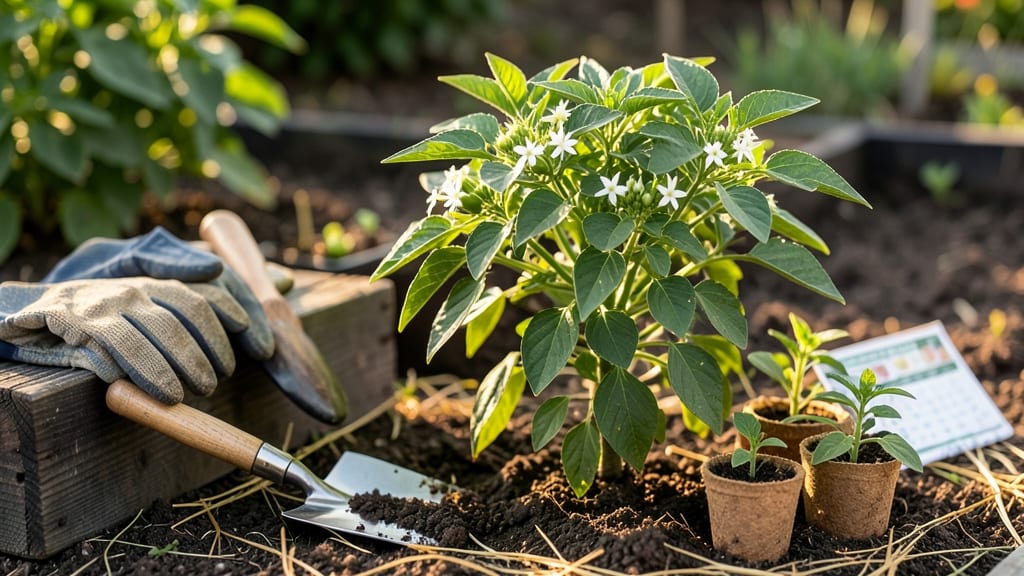
Planting peppers in Alabama at the right time means the difference between a bountiful harvest and a sad, stunted plant 🌶️.
Alabama’s diverse climate zones mean your pepper harvest could fail if you plant too early or too late—but timing these heat-loving plants just right unlocks explosive growth and bumper crops.
In North Alabama (USDA Zones 7A-7B), wait until mid-April when soil temperatures hit 70°F+ to avoid frost damage. Down south in Zones 8A-8B, you can start as early as late March, but watch for sudden cold snaps.
Below, I break down the exact planting windows by region, how to adjust for Alabama’s unpredictable weather, and the best pepper varieties for your microclimate—so you can get from seed to spicy harvest in 60-90 days.
Alabama pepper planting zones: exact dates by microclimate for maximum yield
Alabama's USDA zones 7A-8B create dramatic differences in pepper planting success, with North Alabama's cooler springs requiring earlier starts than South Alabama's warmer microclimates.
According to Auburn University Extension, peppers need soil temperatures above 70°F to germinate properly - a threshold that arrives 4-6 weeks earlier in Mobile than in Huntsville.
Your planting window hinges on two critical factors: last frost dates and soil warmth. In Zone 7A (North Alabama), gardeners should wait until mid-April to early May for direct sowing, while Zone 8B (South Alabama) gardeners can start as early as late February to March under protective covers.
The difference means 6-8 weeks separating optimal planting times across the state.
Here's your microclimate-specific planting guide based on Alabama's diverse growing conditions:
For North Alabama gardeners (Zones 7A-7B), I recommend starting seeds indoors 8-10 weeks before your last frost date using grow lights to ensure strong seedlings. The Birmingham area can begin transplanting late March if you use row covers for protection, but wait until mid-April for direct sowing.
In South Alabama (Zones 8A-8B), the earlier frost-free dates allow for aggressive planting schedules. Mobile gardeners can even direct sow peppers as early as February 15 under plastic mulch to capture the longer growing season.
The Gulf Coast microclimate extends your pepper harvest window by 4-6 weeks compared to North Alabama.
Remember that soil temperature matters more than air temperature for pepper germination. Use a soil thermometer to verify 70°F+ before planting - cold soil will cause poor germination rates even if air temperatures seem warm.
In Zone 7A, this often means waiting until mid-to-late May for direct sowing without protection.
Pro tip: Black plastic mulch can raise soil temperatures by 5-10°F, allowing you to plant 2-3 weeks earlier in cooler zones. Lay the mulch 2 weeks before planting to maximize soil warming effects. This technique is especially valuable in Central Alabama's transitional zones where late frosts are common.
Your pepper varieties also dictate timing. Fast-maturing varieties (60-75 days) like 'Early Cal Wonder' can be planted 2 weeks later than long-season varieties, while heat-tolerant types like 'Carolina Wonder' benefit from earlier planting to avoid summer's intense heat.
Always check your seed packets for days to maturity and work backward from your first frost date (typically November 15-30 in Alabama).
For maximum yield, aim to have peppers transplanted by early May in North Alabama and by mid-April in South Alabama. This timing ensures 6-8 weeks of growth before summer's peak heat arrives, which can str
How to adjust pepper planting timing for Alabama’s unpredictable weather patterns
Alabama’s late spring frosts and sudden heatwaves can turn your pepper dreams into disappointment if you’re not prepared. Unlike northern states, our humidity spikes and microclimate variations (think Birmingham’s urban heat vs. Mobile’s coastal breezes) demand flexibility in your planting strategy.
Even experienced gardeners in USDA zones 7A-8B often lose young pepper plants to unexpected cold snaps or struggle with bolting when summer arrives too early. The key? A multi-phase approach that includes transplanting buffers, season extension tools, and backup planting dates tailored to your specific county.
⚠️ Critical Timing Rule: Never plant peppers outdoors until soil reaches 70°F+ AND nighttime temps stay above 55°F consistently.
Why it matters: Peppers won’t germinate below 60°F soil, and young plants die in 40°F+ frosts. Use a soil thermometer (not just air temps!) to avoid costly mistakes.
Pro tip: In North Alabama (Huntsville), wait until May 1 for direct sowing. In South Alabama (Mobile), you can start March 15—but have row covers ready.
For gardeners in high-risk zones like Birmingham, I recommend starting seeds indoors 8-10 weeks before your target outdoor date. Use grow lights or a sunny windowsill, and transplant only after Memorial Day when the danger of frost has passed.
This gives you a 3-week head start if Mother Nature throws a curveball.
If you’re planting directly in the ground, use black plastic mulch to warm soil faster and prevent fungal diseases from Alabama’s humidity. Lay it down 2-3 weeks before planting—this can add 5-10°F to soil temperature overnight. Pair it with drip irrigation to keep moisture consistent without wetting foliage.
For backup planting, schedule a second sowing 2-3 weeks after your first attempt. Choose fast-maturing varieties like ‘Early Cal Wonder’ (60 days) for this round. In Mobile’s coastal zone, you might even squeeze in a fall planting of cold-tolerant peppers like ‘Carolina Wonder’ by August 15.
Remember: Peppers hate wet feet but need consistent moisture. In Alabama’s summer heat, water deeply every morning and mulch heavily to retain moisture. If a heatwave hits 95°F+, provide shade cloth during peak afternoon sun to prevent sunscald on young plants.