
Plants
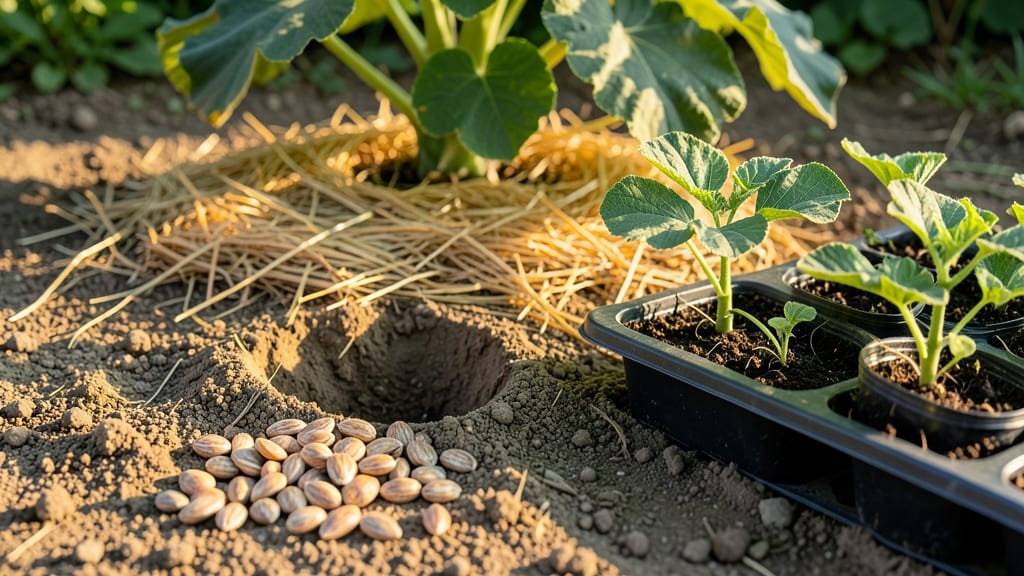
Plant pumpkin seeds in Virginia after the last frost, when soil temperatures hit 60°F—typically mid-April to early June for zones 7a-8a.
Miss that window, and you risk seedlings dying in a late freeze, or worse, a harvest that never matures before fall’s chill sets in. Virginia’s climate is forgiving, but only if you time it right.
Here’s how to nail the planting window by zone, from Blacksburg’s cooler hills to Norfolk’s humid coast, plus the 3 biggest mistakes gardeners make—and how to avoid them.
You’ll also discover the best pumpkin varieties for Virginia’s heat, when to mulch for extra warmth, and why soil pH matters more than you think.
Virginia pumpkin planting calendar by USDA hardiness zones (6a-8a)
Virginia’s diverse climate zones create perfect conditions for growing pumpkins, but getting the timing right is critical. Whether you’re in Zone 6a (like Blacksburg) or Zone 8a (like Norfolk), understanding your last frost dates and soil temperature thresholds will determine whether your pumpkins thrive or fail.
I’ve broken down the exact windows for direct sowing and transplanting, plus soil prep tips to ensure your seeds germinate quickly and vines spread strong.
Pumpkins need warm soil to germinate—ideally 60°F or above. In Virginia, this means waiting until late April or early May in most zones, but cooler areas like Zone 6a may need to wait until early June.
I’ll show you how to use black plastic mulch to warm soil faster and avoid common mistakes that delay harvests. Let’s dive into your zone-specific planting schedule to maximize your pumpkin yields this season.
🌱
| USDA Zone | Last Frost Date (Avg.) | Soil Temp for Germination | Direct Sowing Window | Transplant Window | Best Varieties |
|---|---|---|---|---|---|
| 6a (Blacksburg) | April 25–May 5 | 60°F+ | May 15–June 1 | April 20–May 10 (starter plants) | ‘Jack Be Little’, ‘Sugar Pie’ |
| 7a (Charlottesville) | April 10–April 20 | 60°F+ | April 25–May 15 | April 1–April 20 | ‘Cinderella’, ‘Howden’ |
| 7b (Richmond) | April 5–April 15 | 60°F+ | April 20–May 10 | March 25–April 10 | ‘Small Sugar’, ‘Waltham Butternut’ |
| 8a (Norfolk) | March 20–April 5 | 60°F+ | March 30–April 20 | March 1–March 20 | ‘Giant Cabbage’, ‘Long Island Cheese’ |
In Zone 6a, where Blacksburg sits, you’ll want to wait until mid-May for direct sowing because early springs often bring unexpected frosts. I recommend using row covers if you transplant seedlings earlier to protect them from late frosts.
For Zone 8a (Norfolk), you can start as early as late March, but be mindful of humidity—pumpkins thrive in heat but can rot in soggy soil.
Soil temperature is just as critical as air temperature. Use a soil thermometer to confirm your garden beds are at 60°F or warmer before planting. If your soil is still cool, try covering it with black plastic mulch 1–2 weeks before planting to speed up warming.
This trick works especially well in Zone 6a, where cooler springs delay germination.
For transplanting starter plants, aim for 4–6 weeks before your last frost date. In Zone 7a (Charlottesville), this means starting seeds indoors in early April. Harden off seedlings by moving them outside for 2–3 hours daily the week before transplanting.
I’ve found that ‘Cinderella’ pumpkins adapt well to Virginia’s climate and mature quickly, making them a great choice for gardeners in Zones 7a–8a.
If you’re planting directly in the ground, space seeds 2–3 feet apart in hills, with hills spaced 4–6 feet apart. This gives vines room to spread without competing for nutrients.
In Zone 8a, where summers are longer, you can even try a second planting in early June for a fall harvest. Just choose shorter varieties like ‘Jack Be Little’ to avoid overcrowding.
Pumpkins need consistent moisture but hate soggy roots. Water deeply 2–3 times per week once vines start spreading, focusing on the base of the plant. Avoid wetting leaves to prevent powdery mildew, a common issue in Virginia’s humid summers.
I’ve had the most success using drip irrigation or soaker hoses to deliver water directly to the roots.
🎃
Don’t forget to test your soil pH before planting—pumpkins prefer 6.0–6.8. If your soil is too acidic, amend it with lime in the fall. For extra insurance against pests like squash vine borers, rotate crops yearly and use row covers during flowering.
With these zone-specific tips, you’ll be well on your way to a bountiful pumpkin harvest this fall!
How to extend your pumpkin growing season in Virginia’s short summers
Virginia’s short growing season can be a challenge for pumpkin lovers, but with the right strategies, you can push your harvest later into fall. The key is combating early frosts while maximizing warmth during the summer months.
I’ve learned that heat-tolerant varieties and season-extending techniques make all the difference in my garden—especially in zones 6a-8a where first frosts can arrive as early as mid-October.
One of my top tricks is using black plastic mulch, which warms the soil and suppresses weeds. When paired with row covers for young seedlings, you can give your pumpkins a head start.
For varieties like ‘Cinderella’ or ‘Howden’, these methods add critical weeks to your growing window. Let’s break down the exact steps to keep your pumpkins thriving until harvest.
- 1 Start with black plastic mulch 2–3 weeks before planting. Lay it down when soil temps hit 60°F to warm roots and speed germination.
- 2 Use floating row covers over seedlings until they’re 4–5 inches tall. This protects them from light frosts and pests like squash bugs.
- 3 Choose heat-tolerant varieties like ‘Cinderella’ (75-day maturity) or ‘Howden’ (85 days). These handle Virginia’s 90°F+ heat better than standard varieties.
- 4 Try succession planting in late June for smaller varieties like ‘Jack Be Little.’ Plant every 2 weeks to stagger harvests and extend your season.
- 5 Harvest pumpkins before the first frost (aim for late September–early October). Cure them in a dry, shaded spot for 10 days to extend storage life.
Another game-changer I’ve used is trellising bush varieties like ‘Sugar Pie.’ By training vines upward, you save space and reduce ground contact, which minimizes disease risk.
This is especially useful in smaller gardens or urban plots where space is limited. Just ensure your trellis is sturdy—pumpkins can weigh 20+ pounds!
For gardeners in Zone 6a (like the Shenandoah Valley), I recommend planting starter plants in early May instead of seeds. This gives you a 4–6 week head start before the heat peaks.
In Zone 8a (e.g., Norfolk), you can push the envelope by planting as late as early June for shorter-season varieties like ‘Jack Be Little.’
Don’t forget to monitor soil moisture during dry spells. Pumpkins need 1–2 inches of water weekly, but mulch helps retain moisture and keeps roots cool. In my experience, drip irrigation is the most efficient way to deliver water without wetting the leaves, which reduces fungal diseases like powdery mildew.
With these strategies, you can enjoy a later harvest and even store pumpkins well into winter. The key is planning ahead—start with mulch, protect seedlings, and choose the right varieties for your zone. Happy growing! 🎃