
Plants
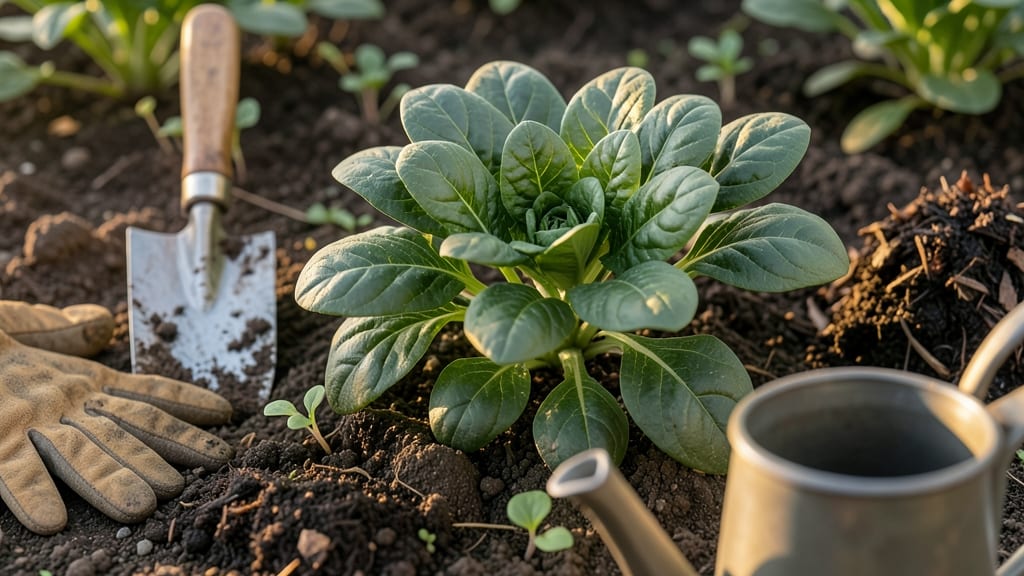
To plant spinach in Florida, aim for late summer through early October or February to March — timing that avoids the brutal summer heat and maximizes cool-season growth.
Florida’s warm climate makes growing spinach a challenge—but with the right timing and heat-tolerant varieties, you can enjoy fresh, homegrown leaves even in the heat.
Spinach 🥬 thrives in Florida’s 8a-11 zones when planted during the cooler months, but summer’s intensity can turn your crop into a sad, bolting mess. The key is choosing the right window and varieties that won’t wilt under the sun.
In this guide, you’ll discover the best planting times for your region, how to prep your soil, and which spinach types handle Florida’s heat like a pro. Ready to grow your own crisp, homegrown greens year-round?
Best planting times for spinach in Florida’s climate zones
Growing spinach in Florida requires strategic timing to avoid the state’s intense summer heat and humidity levels. Unlike northern climates, Florida’s three distinct zones—North, Central, and South—each have unique frost risks and temperature thresholds.
My experience shows that fall and early spring are the sweet spots for successful spinach cultivation, with soil temperatures playing a critical role in seed germination and plant survival. Let’s break down the best planting windows for each zone to help you plan your cool-season garden like a pro.
Spinach thrives when soil temperatures stay between 45°F and 75°F. In Florida, this means focusing on late summer to early winter for fall plantings and late winter to early spring for spring plantings.
The key is to plant before the first frost in North Florida (around December 1) and before the heat spikes in South Florida (which can start as early as March). Understanding these thresholds helps prevent bolting (premature flowering) and ensures tender, flavorful leaves.
| Zone | Best Planting Window | Soil Temp Threshold | Frost Risk | Harvest Window |
|---|---|---|---|---|
| North Florida (Zones 8a-8b) | August 15 – September 30 (fall) and February 1 – March 15 (spring) | 45°F – 70°F | First frost: Dec 1; Last frost: Jan 15 | October – November (fall) and March – April (spring) |
| Central Florida (Zones 9a-9b) | August 1 – October 15 (fall) and January 15 – March 1 (spring) | 50°F – 72°F | First frost: Rare; Last frost: Dec 15 | September – December (fall) and February – April (spring) |
| South Florida (Zones 10a-11) | July 15 – September 30 (fall) and January 1 – February 28 (spring) | 55°F – 75°F | First frost: Rare; Last frost: Never | August – November (fall) and January – March (spring) |
In North Florida, where frost is a real threat, aim to plant spinach 8-10 weeks before the first frost. This gives your plants enough time to mature before temperatures drop below 32°F.
For example, if your first frost is typically around December 1, start sowing seeds by mid-September. Use row covers or cold frames to extend your growing season into early winter if needed.
Central Florida gardeners have a slightly longer window thanks to milder winters. Here, you can push your fall planting into October and still enjoy harvests through December. The trick is to monitor soil temperatures closely—once they dip below 50°F, growth slows significantly.
For spring plantings, start seeds indoors in late January to transplant outdoors by mid-February, avoiding the heat stress of early March.
South Florida’s tropical climate allows for year-round spinach growth, but summer heat remains the biggest challenge. Focus on late summer to early fall plantings to take advantage of cooler temperatures and higher humidity.
By planting in July or August, you can harvest before the heat peaks in September. For spring, aim for January plantings to avoid the intense sun of April and May, which can cause bolting and bitter-tasting leaves.
To maximize your spinach harvest, consider succession planting every 2-3 weeks during the optimal windows. This ensures a continuous supply of fresh leaves without overwhelming your garden at once.
For example, in North Florida, sow a new batch every 2 weeks from August to September to stagger your harvest through October and November. Pair this with companion planting, like radishes or lettuce, to improve soil health and deter pests.
One of my biggest lessons from growing spinach in Florida is the importance of shade cloth. Even in the coolest months, Florida’s sun can be intense.
Use 30-50% shade cloth during the hottest part of the day (11 AM – 3 PM) to protect young plants from heat stress. This simple step can mean the difference between lush, tender leaves and stunted, bitter plants.
Pair it with drip irrigation to keep soil moist without wetting the foliage, reducing the risk of fungal diseases like downy mildew.
Don’t forget to prepare your soil before planting. Spinach prefers well-draining, slightly acidic soil with a pH between 6.5 and 7.0. Amend your garden beds with compost or aged manure to improve fertility, and mulch with straw or grass clippings to retain moisture and suppress weeds.
In Florida’s sandy soils, adding organic matter is especially critical to help retain nutrients and water.
If you’re new to growing spinach in Florida, start small with container gardening to test your timing and conditions. A 5-gallon pot with well-draining potting mix
Top heat-tolerant spinach varieties for Florida gardens
Growing spinach in Florida’s heat can feel like a losing battle, but the right heat-tolerant varieties make it possible. Unlike traditional spinach that bolts quickly in summer, these Florida-friendly selections handle warmth better while delivering delicious harvests. Let’s explore the top performers that thrive in your garden’s microclimates.
When choosing spinach for Florida, prioritize varieties with slow bolting traits and moderate heat resistance. The three standout options—Bloomsdale Long Standing, Tyee, and Space—offer distinct advantages.
Each excels in different conditions, from coastal humidity to inland heat, ensuring you can grow spinach year-round with the right approach.
Bloomsdale Long Standing is the gold standard for Florida gardens, offering exceptional heat tolerance and a savoyed leaf texture that’s perfect for salads. It matures in 45-50 days and handles up to 90°F without bolting, making it ideal for late summer or early fall plantings in North Florida. Its rich, slightly sweet flavor makes it a crowd-pleaser.
Tyee stands out for its fast growth and compact size, reaching harvest in just 30-40 days. This variety thrives in cooler microclimates like Central Florida’s inland areas, where temperatures dip slightly at night. Its flat leaves hold up well to humidity, and it’s less prone to downy mildew, a common Florida issue.
For year-round production, Space is my top pick—it’s a semi-savoyed hybrid that tolerates light frost and intense heat, making it versatile for South Florida’s warmer winters. With a 50-day maturity and bolting resistance, it’s perfect for succession planting every 3-4 weeks to ensure continuous harvests.
No matter which variety you choose, always plant in partial shade during peak summer months and mulch heavily to retain moisture. These Florida-adapted spinach varieties will reward you with tender leaves even when other gardeners are struggling—just give them the right conditions and consistent care.