
Plants
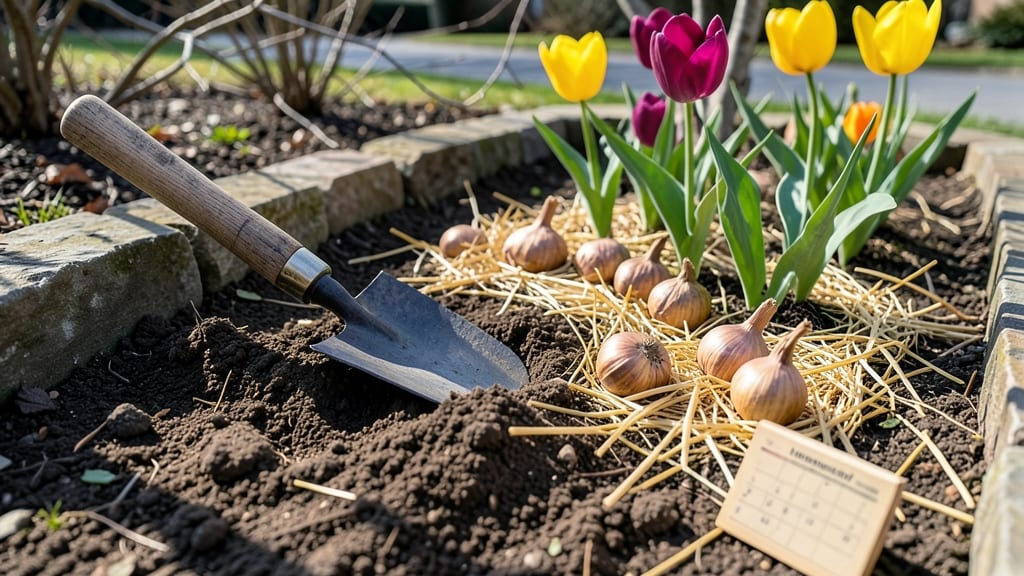
Planting tulip bulbs in Minnesota between October and November is the key to vibrant spring blooms 🌷 — but timing matters more than you think.
Minnesota’s harsh winters and unpredictable fall frost make timing your tulip bulb planting a critical skill—get it wrong, and you’ll risk frozen bulbs or weak blooms next spring.
Most gardeners in zones 3b-5a aim to plant 4-6 weeks before the ground freezes, usually between October 1 and November 15. This window ensures bulbs establish roots before winter while avoiding rot from soggy soil.
Below, I’ll break down the exact soil temperature checks, frost-free deadlines, and regional adjustments to help your tulips thrive—no guesswork needed.
Minnesota’s ideal tulip bulb planting window: frost-free deadline explained
Timing your tulip bulb planting in Minnesota isn’t just about avoiding frost—it’s about giving bulbs the 6-8 week chilling they need to bloom vibrantly next spring. Plant too early, and bulbs may rot in damp soil; too late, and they won’t establish roots before winter dormancy.
The frost-free window typically opens between October 1-15, but your exact deadline depends on your county’s last average frost date.
Tulips thrive when planted in cool soil (40-50°F), which Minnesota usually hits by mid-October. This temperature triggers root growth before the ground freezes. If you plant too soon (like late September), bulbs may sprout prematurely and get damaged by early frosts.
Conversely, planting after November 1 risks bulbs failing to root deeply enough before winter’s freeze.
Here’s the science behind Minnesota’s tulip planting window: bulbs need time to develop roots before the soil freezes solid. In USDA Zones 3b-5a, this means planting 4-6 weeks before your area’s average first frost.
For most of Minnesota, that’s October 1-15, but northern counties (like International Falls) may need to plant by October 1, while southern areas (like Rochester) can extend to November 1.
| Planting Stage | Action | Minnesota Timeline |
|---|---|---|
| Soil Temperature Check | Test soil (6" deep) for 40-50°F | Mid-September |
| Ideal Planting Window | Plant bulbs 6-8" deep, 4-6" apart | October 1-15 |
| Last Chance for Northern MN | Plant by October 15 in Zone 3b | Northern counties |
| Soil Freeze Warning | Stop planting when soil hits 32°F | Late November |
| Spring Blooming Trigger | Bulbs need 6-8 weeks of cold | December-February |
To calculate your exact frost-free deadline, check your county’s average first frost date (e.g., October 20 for Minneapolis, October 10 for Duluth). Subtract 6 weeks to find your last planting day.
For example, if frost hits October 25, plant by September 20—but wait for soil to cool to 50°F to avoid rot. Use a soil thermometer to monitor temps; bulbs planted in warmer soil (>60°F) may sprout too soon.
Early planting (before September 15) is risky because warm, damp soil encourages bulb rot. I’ve seen tulip bulbs planted in late August develop mold within weeks. Conversely, late planting (after November 15) often results in shallow roots that freeze, leading to poor blooms or no flowers at all.
The key is balancing root establishment with frost protection—aim for 4-6 weeks before the ground freezes solid.
Minnesota’s clay-heavy soils can delay drainage, so amend planting areas with compost or sand to prevent waterlogging. If you’re in a microclimate (like a sheltered urban garden), you might push planting to November 1, but rural areas with colder nights should stop by October 20.
Always plant in full sun (6+ hours daily) to ensure strong stems and vibrant blooms next spring.
One common mistake is assuming all tulips have the same planting window. Darwin Hybrid tulips, for example, need 8 weeks of chilling and should be planted by October 1, while Fosteriana tulips (early bloomers) can tolerate slightly later planting (October 15).
Match your tulip variety to your planting timeline for the best results.
Pro tip: Mark your tulip beds with stakes after planting to avoid disturbing roots during snow shoveling. In my garden, I’ve lost entire rows of tulips because winter shoveling unearthed newly planted bulbs.
A simple flag or mulch layer saves time and heartache in spring. Once planted, water lightly to settle soil, then let nature take over—your tulips will thank you with bold blooms next May.
Remember, Minnesota’s tulip success hinges on this 6-8 week chilling period. If you live in a warmer microclimate (like near a lake), you might extend planting to early November, but most gardeners should stick to the October 1-15 window.
Trust the science, and your tulips will reward you with a burst of color after a long winter.
Soil temperature & moisture checklist: how to test before planting tulip bulbs
Before you dig into that bag of tulip bulbs, checking your soil temperature and moisture levels is non-negotiable in Minnesota’s unpredictable climate. Tulips thrive when soil temps sit between 40-50°F—too warm, and they’ll rot; too cold, and they won’t establish properly.
Since Minnesota’s clay-heavy soils retain moisture longer, urban gardens often dry out faster than rural areas, creating microclimates that demand extra attention.
Start by testing your soil’s readiness with a simple soil thermometer ($10 at garden centers). Insert it 6 inches deep—where your bulbs will sit—and wait 30 seconds. If the temp reads above 50°F, wait a few days or plant in a shaded spot to cool the soil.
For clay soils, mix in 2-3 inches of compost or sand to improve drainage and prevent waterlogging, which can suffocate bulbs before winter.
⚠️ ⚠️ WARNING: Minnesota’s Frost-Free Deadline Trap ⚠️ ⚠️ Planting tulip bulbs too early (before October 1) risks rotting in warm soil, while waiting until after November 15 may leave them vulnerable to frost heave.
Urban areas like Minneapolis often freeze 2-3 weeks earlier than rural northern Minnesota due to the "urban heat island" effect. Test soil temps daily in late September to catch the 40-50°F window—your bulbs need this 6-8 week chill period to bloom reliably next spring.
Miss it, and you’ll get weak stems or no flowers at all. 🌡️🌱
Next, assess moisture by grabbing a handful of soil. Squeeze it—if it crumbles easily, it’s dry enough to plant. If it stays clumped, wait 2-3 days or water lightly (but avoid soggy soil). In clay-heavy areas, like St. Paul or Duluth, create raised beds to prevent water pooling.
Always plant bulbs in well-draining soil; tulips hate "wet feet." Pro tip: Add a 1-inch layer of gritty sand or perlite to the bottom of your planting hole for extra drainage.
For urban vs. rural differences, note that city soils often dry out faster due to pavement heat. If your garden is near a building or driveway, mulch with straw or leaves to retain moisture and insulate bulbs.
Rural areas may stay damp longer—plant slightly shallower (6 inches deep) if your soil feels consistently moist. Always water bulbs once after planting to settle the soil around them, then let nature take over until spring.
Don’t overlook microclimates in your yard. A south-facing slope warms up faster than a north-facing bed, so test both spots. If your garden has partial shade, choose early-blooming varieties like Fosteriana tulips, which tolerate cooler soils.
Mark your planting spots with flags or stakes so you remember where bulbs go—Minnesota’s snow cover can erase garden beds quickly!
Finally, adjust your planting timeline based on your soil’s behavior. If your clay soil stays warm past October 15, opt for late-blooming varieties like Darwin Hybrids, which handle slightly warmer soil better.
Always plant bulbs 4-6 weeks before the ground freezes—check the MN State Climatology Office for your county’s average first frost date. With these checks, your tulips will wake up strong and ready to bloom in May or June. 🌷💧