
Plants
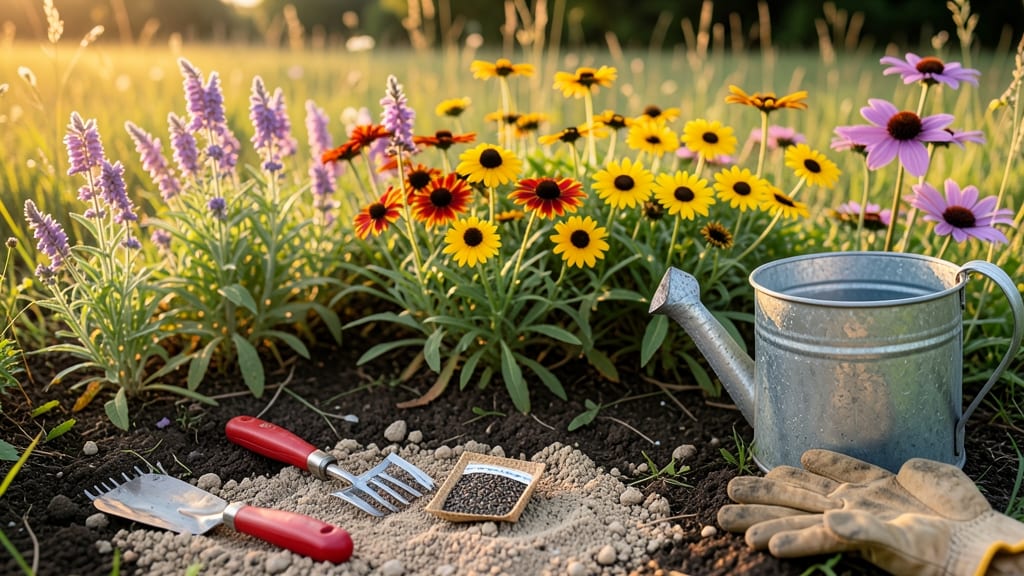
Planting wildflower seeds in Colorado at the right time means the difference between a lush meadow and a patchy disappointment—especially with our elevation-driven frost dates that shift by weeks from the Front Range to the Western Slope.
Colorado’s diverse elevation zones create wildly different planting windows—get your wildflower seeds in at the wrong time, and you’ll end up with a patchy meadow instead of a vibrant bloom. Timing isn’t just about avoiding frost; it’s about harnessing Colorado’s unique microclimates to maximize germination and flowering.
Lowland areas like the Eastern Plains can start as early as late February, while high-elevation spots above 7,000 feet may need to wait until May to avoid late frosts. Even late summer plantings in August-September work, but soil temps matter more than calendar dates.
Below, I break down the exact frost-free deadlines by zone, the best native wildflowers for each window, and pro tips to stretch your planting season—without risking a freeze.
Colorado wildflower planting deadlines by elevation zone (with frost risk charts)
Colorado’s elevation zones create dramatic differences in planting windows—what works in Denver (5,280 ft) may fail at Telluride (8,750 ft). Understanding these zones helps you avoid frost damage and maximize wildflower germination. Each zone has distinct soil temperature thresholds and last-frost dates that dictate when to sow seeds.
For lowland areas (3,000–5,000 ft), like the Front Range, your window is wider—typically March 15 to April 30 for spring plantings. But in alpine zones (7,000+ ft), like Leadville, frost can linger until June 15, pushing planting back until late May or early June.
Even a 1,000-foot elevation gain can shift your planting deadline by 2–3 weeks.
Soil temperature is just as critical as frost dates. Most Colorado native wildflowers need soil temps of 40–50°F to germinate. In lowland zones, this happens by mid-March, while high-elevation sites may not reach it until late May.
Always check soil temps with a soil thermometer—don’t rely on air temperature alone.
Here’s how the three zones compare for spring planting, including last-frost averages and ideal soil temps:
| Elevation Zone | Last Frost Date | Soil Temp for Germination | Spring Planting Window | Fall Planting Window |
|---|---|---|---|---|
| Lowland (3,000–5,000 ft) | April 15–May 1 | 40–50°F (by mid-March) | March 15–April 30 | August 15–September 15 |
| Foothills (5,000–7,000 ft) | May 1–May 15 | 40–50°F (by late March) | April 1–May 15 | August 1–September 10 |
| Alpine (7,000+ ft) | June 1–June 15 | 40–50°F (by late May) | May 15–June 15 | July 1–August 15 |
Fall planting is another strategy to beat Colorado’s unpredictable frost. For lowland zones, aim for August 15–September 15—seeds germinate in fall, establish roots, and bloom earlier next year.
In high-elevation areas, wait until July 1–August 15 to avoid early frosts. Blue grama grass and blanket flower thrive with this approach.
Pro tip: Use black plastic mulch in early spring to warm soil faster in high-elevation zones. Remove it once seeds sprout to prevent overheating. For lowland areas, a light straw mulch retains moisture during April showers—critical for young seedlings.
Don’t assume your local USDA Zone 5–7 label covers it all. Microclimates near urban heat islands (like Denver’s downtown) can push planting dates 1–2 weeks earlier than rural areas. Check NOAA frost maps for your exact location—every 100 feet of elevation matters.
If you’re in doubt, late August plantings work across all zones—seeds survive summer heat, germinate with fall rains, and establish roots before winter. Just avoid planting after September 15 in lowland zones or August 15 in high-elevation areas—frost will kill tender seedlings.
For alpine gardens, combine cold stratification (chill seeds for 4–6 weeks) with early June plantings. This mimics natural conditions and boosts germination rates for Colorado columbine and Indian paintbrush. Always water lightly after sowing—overwatering in high-elevation soils leads to rot.
Track your local frost dates for 3 years to refine your timeline. Colorado’s chinook winds can create false springs, tricking you into planting too early. When in doubt, plant 2 weeks later—you can always extend your meadow next year, but lost seedlings aren’t replaceable.
Best wildflower seed varieties for Colorado’s planting seasons (and when to avoid them)
Colorado’s wildflower meadows thrive on native species that sync with our unique elevation zones. Choosing the right varieties for your planting season means the difference between a patchy garden and a vibrant pollinator haven.
Some seeds, like blanket flower (Gaillardia), germinate best in spring’s warming soil, while others, such as blue grama grass, prefer late summer’s moisture.
Timing matters even more in high-elevation zones where frost lingers. Planting Colorado columbine too early can leave seedlings vulnerable, while yarrow (Achillea) thrives when sown in fall’s cooler temperatures. Let’s break down the best seasonal varieties and when to avoid them.
✨ Top Wildflower Varieties for Colorado Seasons
- 1. Blanket Flower (Gaillardia) – Best for spring (March-April). Thrives in full sun and drought conditions. Avoid planting after June 1—late seeds struggle with summer heat.
- 2. Blue Grama Grass (Bouteloua gracilis) – Ideal for late summer (August-September). Perfect for high-elevation zones (7,000+ ft). Skip spring planting—it needs fall moisture to establish.
- 3. Colorado Columbine (Aquilegia caerulea) – Spring (March-April) only. Delicate seedlings won’t survive late plantings. Use cold stratification if sowing in fall.
- 4. Yarrow (Achillea millefolium) – Fall (September-October) preferred. Handles early frosts better than spring varieties. Avoid planting after October 15—seeds need winter chill.
- 5. Purple Prairie Clover (Dalea purpurea) – Late spring (May-June). Needs warm soil to germinate—never plant before May 1 in lowland zones.
🌿 Pro Tip: Mix spring and fall varieties for year-round blooms!
For high-elevation gardens (7,000+ ft), focus on drought-resistant natives like penstemon and lupine. These varieties avoid late spring plantings—their seeds often dormant until fall rains. Instead, sow them in late August to align with natural moisture cycles.
If you’re in the Front Range (5,000–7,000 ft), blanket flower and black-eyed Susan are spring staples. But watch out: planting them after May 15 risks heat stress before roots establish. For Western Slope gardens, fall planting is key—yarrow and goldenrod benefit from winter moisture.
My biggest mistake? Trying to plant Colorado columbine in late June. The seedlings wilting within days taught me to respect Colorado’s timing. Now, I stick to the chart and adjust for elevation. Your meadow will thank you!
For pollinator-friendly results, combine spring bloomers (like lupine) with summer varieties (such as beebalm). This ensures continuous nectar for bees and butterflies all season. Just remember: soil prep matters—loosen compacted clay in high-elevation zones to help seeds breathe.