
Plants
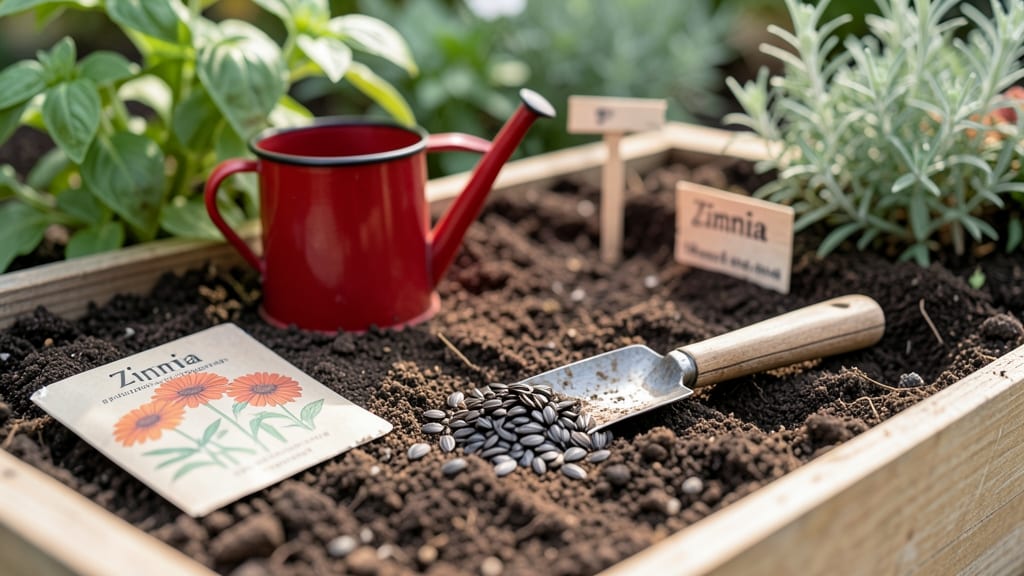
Planting zinnia seeds in Georgia at the right time ensures bold summer blooms before the heat or frost ruins your plans.
Picture this: you’ve just tucked those tiny seeds into the soil, dreaming of vibrant 🌼 zinnias lighting up your garden—only to watch them bolt in the heat or shiver under an unexpected frost. Georgia’s 7b-8b climate gives you two chances to get it right, but timing is everything.
Whether you’re in Atlanta’s cooler hills or Savannah’s steamy coast, the key is planting zinnias after your last frost (usually by mid-March) or in late summer for fall blooms. Skip the guesswork with exact deadlines, soil prep tips, and microclimate hacks to turn your garden into a nonstop floral show.
Below, I’ll walk you through the step-by-step process—from seed depth to spacing—so your zinnias go from seed to showstopper with minimal fuss. No more wasted seeds or wilted dreams!
Georgia zinnia planting deadlines by region: avoid frost and heat stress
Georgia’s diverse climate means zinnias can thrive in three distinct regions, each with unique planting deadlines. North Georgia’s cooler springs and South Georgia’s early heat demand precise timing to avoid frost damage or heat stress.
I’ll break down the exact windows for Atlanta, Macon, and Savannah, plus soil temperature thresholds that guarantee strong germination.
Zinnias love warmth but hate late frosts—even a light freeze can kill young seedlings. The key is planting after your average last frost date, when soil temperatures hit 60°F (15°C).
For fall blooms, aim for July-August sowing to enjoy flowers before the first frost in November. Let’s dive into your region’s specifics to maximize those vibrant blooms!
⚠️ CRITICAL NOTE: Zinnias won’t germinate in cold soil (<50°F/10°C). Use black plastic mulch or a mini greenhouse to warm soil if planting early. In South Georgia, heat stress (above 90°F/32°C) can stunt growth—opt for shade cloth during peak afternoons if needed.
In North Georgia (Atlanta), wait until April 1 to plant zinnias—earlier sowings risk frost damage to tender seedlings. The region’s cooler nights mean you can extend fall planting slightly into early August for late-season blooms.
I’ve had success with ‘Benary’s Giant’ zinnias here, as they tolerate brief cool snaps better than smaller varieties.
For Central Georgia (Macon), you gain 2-3 weeks of planting time thanks to milder winters. Start seeds indoors in late February and transplant after March 20.
The July 1 fall deadline is critical—planting later risks blooms opening too close to frost. Use row covers to extend the season by 2-3 weeks if needed.
South Georgia’s Savannah gardeners have the earliest deadlines but must contend with intense summer heat. Plant by February 28 for spring blooms, or June 20 for fall—any later and zinnias may bolt or struggle.
I recommend ‘Profusion’ series for this zone; their compact growth handles humidity better than towering varieties.
All regions should aim for 6-8 hours of sunlight daily, but South Georgia’s afternoon heat (often exceeding 95°F/35°C) demands afternoon shade. Use 30% shade cloth during peak hours if your zinnias start wilting.
In North Georgia, morning sun with afternoon shade works best—zinnias appreciate the gentler light as they mature.
One common mistake is planting too deep—zinnias need only ¼-inch coverage. Burying seeds deeper delays germination and can lead to damping-off disease. I’ve lost entire trays of seedlings to this issue!
Lightly press seeds into moist, well-draining soil and keep them consistently damp until sprouts appear (7-14 days at optimal temps).
For fall planting, prioritize heat-tolerant varieties like ‘Zahara’ or ‘Crystal’—they handle Georgia’s late-summer humidity better than classic zinnias. Start seeds 6-8 weeks before your first frost (so mid-September for Atlanta, early October for Savannah) to ensure blooms before cold sets in.
Remember: Zinnias are annuals that thrive on neglect once established, but timing is everything. Bookmark these deadlines and set a calendar reminder—your future bouquets will thank you! Whether you’re in cool Atlanta or hot Savannah, these windows ensure bold, long-lasting blooms all season.
Step-by-step zinnia seed planting guide for Georgia gardens
Georgia’s humid summers and quick germination make zinnias a gardener’s dream—but only if you plant them right. Whether you’re direct sowing or transplanting seedlings, timing and soil prep are everything.
I’ll walk you through the exact steps to get your zinnias thriving, plus how to avoid damping-off and leggy seedlings in our sticky climate.
Zinnia seeds germinate fastest in warm soil (70°F+), which is why I recommend waiting until after Georgia’s average last frost date—typically mid-April in North Georgia and early March in South Georgia.
For fall blooms, aim for late July to August to enjoy flowers before the first frost. Let’s get started with the foolproof method.
Georgia’s humidity can turn zinnias into fungal magnets if you’re not careful. To prevent damping-off (a deadly seedling disease), I swear by neem oil spray every 2 weeks and ensuring proper air circulation.
If seedlings look leggy or pale, they’re stretching for light—move them to a sunnier spot or use a grow light for 12 hours daily.
Once established, zinnias are drought-tolerant but still need 1 inch of water weekly. Water at the base of plants in the morning to avoid fungal issues. Deadhead spent blooms to encourage continuous flowering until Georgia’s first frost—usually mid-November in most regions.
With these steps, you’ll have bold, vibrant zinnias from summer through fall—no wilted dreams here! For extra protection against Georgia’s humidity and pests, I recommend planting zinnias near basil or marigolds to deter aphids and whiteflies. Happy planting! 🌼