
Plants
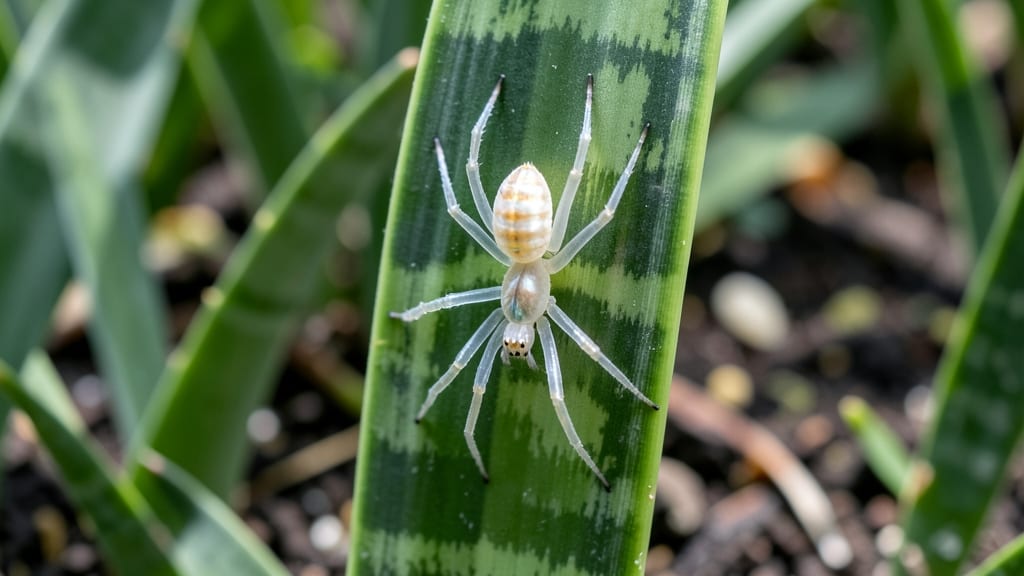
A snake plant thrives with bright, indirect light—just a few feet from a window is all it needs to stay happy and healthy 🌱.
Struggling to keep yours alive? The secret might be simpler than you think—light exposure plays a critical role in its survival and growth. Too much or too little can spell disaster, but getting it right unlocks vibrant foliage and thriving roots.
This resilient plant adapts to low-light conditions, making it perfect for offices or dimly lit corners. Yet, it still craves some brightness to prevent those dreaded stretched leaves or dull color.
I’ll break down the ideal spots in your home, how to spot light issues, and even clever hacks for low-light spaces.
By the end, you’ll know exactly where to place your snake plant for optimal growth, whether you’re dealing with a sunlit living room or a cozy basement nook.

Ideal light requirements for snake plants: low to bright conditions explained
If you're wondering how much light for a snake plant, the answer is simpler than you might think. These hardy plants thrive in a wide range of light conditions, from low-light offices to brightly lit living rooms.
The key is understanding their natural adaptability and how to match it with your home's lighting. Snake plants (Sansevieria) are famous for their resilience, but even they have preferences that can make or break their health.
Contrary to popular belief, snake plants don't need direct sunlight to survive. In fact, too much sun can cause leaf scorch and brown tips. Instead, they prefer bright indirect light, which mimics their native African savanna habitat.
This balance allows them to photosynthesize efficiently without overheating. The secret lies in their unique crassulacean acid metabolism (CAM) process, which lets them store water and CO2 for later use.
🌱 Did You Know? Snake plants can survive in conditions as low as 10% light intensity, making them perfect for offices or rooms without windows. However, their growth rate slows dramatically in these conditions. For optimal health and vibrant foliage, aim for 20-40% light intensity, which translates to a spot near a north or east-facing window.
| Light Condition | Description | Ideal Placement | Growth Impact |
|---|---|---|---|
| Low Light (10-20%) | Dim rooms, offices, or spaces far from windows | Basements, north-facing corners, or under desks | Survives but grows slowly; leaves may stretch |
| Medium Light (20-40%) | Bright indirect light from east or north windows | 2-3 feet from east/north windows or 5 feet from west/south | Healthy growth; vibrant foliage; ideal for most homes |
| Bright Light (40-60%) | Indirect sunlight from filtered light or sheer curtains | Near west or south windows with sheer curtains | Fast growth; deep green leaves; minimal stress |
| Direct Sunlight (60%+) | Unfiltered sun exposure for 4+ hours daily | South-facing windows without curtains (avoid) | Leaf burn; brown tips; stressed plant |
When placing your snake plant, think about the quality of light, not just the quantity. A north-facing window provides gentle, consistent light without harsh rays, making it the perfect spot.
If you only have a south-facing window, place your plant at least 5 feet away to avoid direct sunlight. East-facing windows are also great, offering morning light that gradually intensifies throughout the day.
One common mistake is assuming that more light is always better. While snake plants can tolerate bright indirect light, they aren’t equipped to handle the intense UV rays of direct sunlight. Their thick, waxy leaves are adapted to store water and protect against dehydration, not to shield against sunburn.
If you notice yellow or brown patches on the leaves, it’s a clear sign your plant is getting too much direct light.
For those with low-light conditions, don’t despair—snake plants are one of the few houseplants that can thrive in such environments. However, you’ll need to adjust your expectations. In low light, growth will be slower, and leaves may become longer and thinner as the plant stretches toward any available light.
To counteract this, consider rotating your plant quarter-turns every few weeks to ensure even growth and prevent lopsided development.
If you're still unsure about the light in your home, try this simple test: hold a piece of white paper near your plant’s spot. If the paper shows a clear shadow with defined edges, the light is likely too harsh.
If the shadow is faint or nonexistent, the area is probably too dim. Aim for a spot where the shadow is soft but visible—a sure sign of ideal indirect light for your snake plant.
Remember, snake plants are forgiving, but they do have limits. The goal is to find that sweet spot where they can photosynthesize efficiently without stress.
With the right light, your snake plant will reward you with bold, upright leaves and a robust, healthy appearance that’s the envy of every plant lover.
Pro tip: If you’re using grow lights, opt for full-spectrum LED bulbs and place them 6-12 inches above the plant. This mimics natural light conditions and encourages balanced growth.
Just avoid keeping them on for more than 12-14 hours per day, as snake plants don’t need constant light to thrive.
Signs your snake plant isn’t getting the right light (and how to fix it)
Your snake plant (Sansevieria) might look tough, but it has a delicate balance when it comes to light exposure. Too much sun, and you’ll see brown crispy edges—too little, and those leaves stretch like they’re reaching for the sky.
I’ve seen both scenarios firsthand, and the fixes are simpler than you’d think.
First, let’s talk about the visual red flags. If your snake plant leaves develop yellow or brown tips, it’s often a sign of excessive sunlight or overwatering combined with too much light.
On the flip side, pale green leaves or leggy growth mean your plant is craving more light—it’s stretching toward any available source, even if it’s weak.
Snake plants thrive in bright indirect light (2-4 hours daily) but can survive in low-light conditions. Avoid direct sunlight—it burns leaves. For offices or basements, use grow lights 10-12 inches away for 6-8 hours/day.
💡 Pro Tip: Rotate your plant every 4-6 weeks for even growth.
Let’s tackle room-specific fixes. If your snake plant is near a north-facing window, it’s likely getting just enough soft indirect light. But if it’s south-facing, move it 3-4 feet back to avoid scorching.
For offices without windows, place it 6-8 feet from the light source or supplement with a LED grow bulb.
Seasonal changes also play a role. In winter, when daylight hours shrink, your snake plant may start stretching. This is your cue to relocate it closer to a bright window or extend light exposure with a timer-controlled grow light.
Conversely, in summer, afternoon sun can be too intense—use sheer curtains to diffuse harsh rays.
Don’t overlook the soil and pot either. If your snake plant is in a dark corner, ensure the pot material isn’t blocking light—terracotta pots dry out faster but can trap heat, while plastic retains moisture longer.
Always use a well-draining mix to prevent root rot, especially in low-light setups where growth slows.
Finally, observe your plant weekly. Healthy snake plant leaves should be upright, deep green, and firm to the touch. If you spot any changes, adjust the light source or distance immediately.
With the right light balance, your snake plant will reward you with bold, glossy foliage for years. 🌱