
Plants
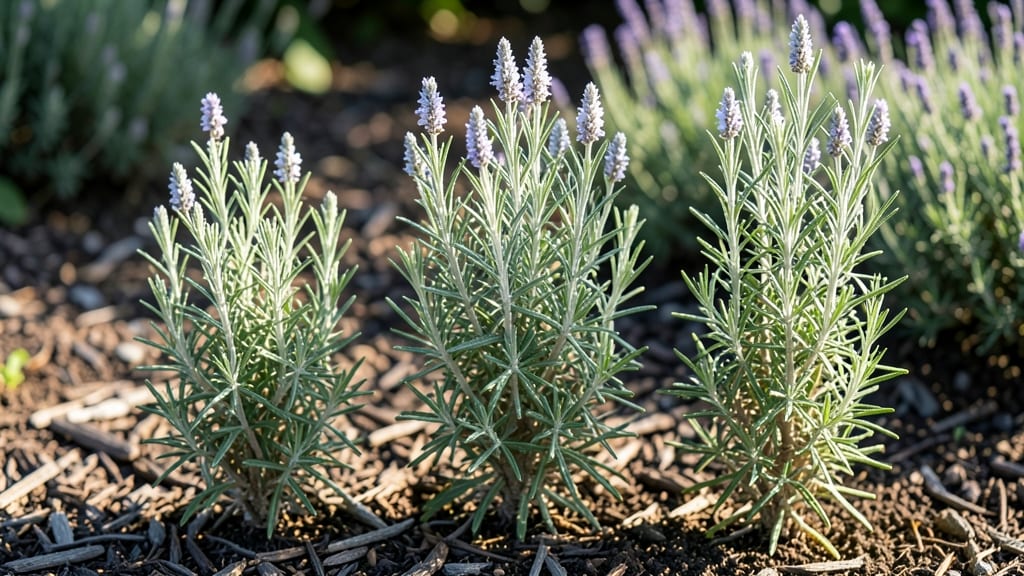
Rosemary plants typically grow between 3 and 6 feet tall when mature, though their height varies wildly depending on the variety and how you care for them.
If you’re wondering whether your rosemary plant will soon tower over your kitchen or stay compact enough for container gardening, the answer depends on variety, care, and a little strategic pruning—here’s how to control its height naturally.
Some varieties, like the dwarf Rosemary 'Prostratus', max out at just 1 to 2 feet, making them perfect for windowsills or edging garden beds. Others, such as the classic 'Tuscan Blue', can easily reach 5 or 6 feet if left unchecked.
Below, I’ll break down how to keep your rosemary at your ideal height—whether you want a bushy, kitchen-ready herb or a towering ornamental shrub—without sacrificing its health or flavor.


Rosemary growth height by variety: from dwarf to towering bushes
Choosing the right rosemary variety is key to controlling its height—some stay under 2 feet while others reach 6 feet or taller. Your garden space, sunlight, and pruning habits all play a role in determining which type thrives best.
Whether you need a window-sill herb or a privacy hedge, there's a rosemary perfect for your needs.
Rosemary grows as a woody perennial shrub with needle-like leaves, and its mature height varies dramatically between varieties. Some sprawl horizontally, while others grow upright like small trees. Understanding these differences helps you plan your garden layout and avoid overcrowding.
Below is a quick reference for rosemary height by variety, including space requirements and growth habits to help you select the ideal plant for your space.
| Variety | Mature Height | Spread | Growth Habit | Best For |
|---|---|---|---|---|
| Rosemary 'Prostratus' | 1–2 ft | 3–5 ft | Spreading | Containers, borders, ground cover |
| Rosemary 'Blue Spires' | 2–3 ft | td style="padding: 10px;">2–3 ftUpright | Kitchen gardens, small hedges | |
| Rosemary 'Tuscan Blue' | 3–5 ft | 3–4 ft | Bushy upright | Privacy screens, ornamental hedges |
| Rosemary 'Arp' | td style="padding: 10px;">4–6 ft4–5 ft | Tall upright | Large gardens, landscape focal points | |
| Rosemary 'Hill Hardy' | 2–4 ft | 3–4 ft | Bushy | Cold climates, versatile gardens |
For container gardening, dwarf varieties like Rosemary 'Prostratus' are ideal—they stay under 2 feet tall and spread wide, making them perfect for window boxes or balcony planters. Their trailing growth habit adds visual interest without taking up vertical space.
If you're designing a herb garden or need a culinary herb within arm's reach, semi-dwarf varieties like Blue Spires or Hill Hardy strike the perfect balance. These grow 2–4 feet tall, making them easy to harvest while still fitting in small spaces.
For larger landscapes or privacy hedges, taller varieties like Tuscan Blue or Arp shine. These can reach 5–6 feet tall, providing a fragrant, evergreen barrier that thrives in full sun. Just ensure they have 3–4 feet of space to spread outward.
One common misconception is that rosemary always grows tall—pruning habits play a huge role in controlling height. Even tall varieties can be kept compact with regular trimming, while dwarf types may need support structures to prevent sprawling too much.
When selecting rosemary for your garden, consider both height and spread. A 3-foot-tall plant with a 5-foot spread (like 'Prostratus') will require more horizontal space than a 5-foot-tall plant with a 3-foot spread (like 'Tuscan Blue'). Plan accordingly to avoid overcrowding.
For urban gardeners with limited space, container-grown rosemary is a game-changer. Choose dwarf varieties and prune regularly to maintain their shape. With the right care, even a 6-inch pot can yield abundant, fragrant sprigs for cooking.
No matter which variety you choose, remember that rosemary thrives in full sun and well-draining soil. These conditions ensure healthy growth and help prevent leggy, overgrown plants.
With the right variety and care, you can enjoy rosemary at your ideal height—whether that's a kitchen countertop or a backyard hedge.
Natural pruning techniques to control rosemary height without harming the plant
Rosemary plants naturally grow between 3 to 6 feet tall, but their height depends heavily on pruning practices. Without proper care, your once-compact herb can quickly become unruly. The key to maintaining a bushier, manageable shape lies in strategic pruning that encourages lateral growth while preventing legginess.
Pruning rosemary isn't just about height control—it also stimulates new growth and keeps the plant healthy. When done correctly, you'll end up with a denser, more aromatic plant that produces more leaves for harvesting. The best part? These techniques work for both container-grown and in-ground rosemary plants.
Use your fingers or clean pruners to pinch off the tips of new shoots when they reach 3-4 inches tall. This encourages the plant to branch out instead of growing tall.
Cut back woody stems by up to one-third each year in early spring. This rejuvenates the plant and prevents it from becoming too tall and leggy.
Every 4-6 weeks, trim back any stems that exceed your desired height. Aim to maintain a rounded shape rather than letting it grow lopsided.
When harvesting, always cut just above a leaf node to encourage new growth. Avoid cutting into old, bare wood, as this won't regrow.
Timing your pruning is crucial for success. The best time to prune rosemary is in early spring before new growth begins. This gives the plant time to recover and branch out before summer heat sets in.
Avoid heavy pruning in late summer or fall, as this can stress the plant before winter dormancy.
For container-grown rosemary, you can prune more frequently—every 6-8 weeks—to keep it compact. Just be sure to use clean, sharp pruners to avoid damaging the stems. Always sterilize your tools with rubbing alcohol between cuts to prevent disease spread.
Remember, rosemary thrives on neglect in some ways, but strategic pruning is the secret to keeping it lush and manageable. With these techniques, you'll enjoy a bushy, aromatic rosemary plant that stays at your desired height without sacrificing health or flavor.