
Flowers
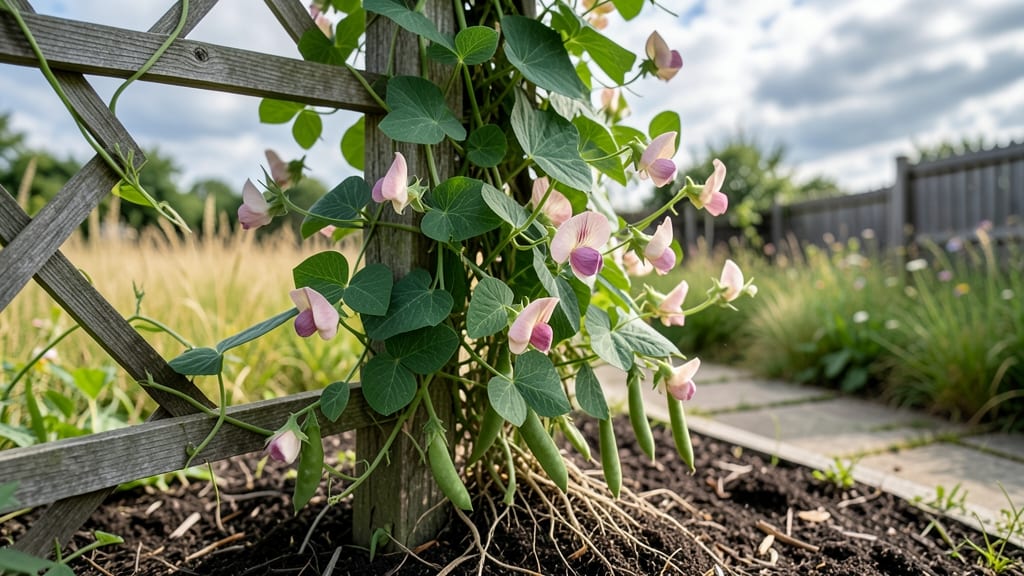
Sweet pea flowers can grow anywhere from 2 to 10 feet tall, depending on whether you choose a dwarf variety or a vigorous climber 🌸.
Picture this: a 6-foot trellis draped in fragrant, cascading blooms by midsummer, or a compact 3-foot bush spilling over a window box with equal charm. The height difference isn’t just about space—it’s about how you design your garden’s vertical story.
Climbing varieties like 'Black Knight' or 'Cupani' reach their full 8–10-foot potential when given sturdy support, while dwarf types such as 'Tom Thumb' stay neatly contained at 2–3 feet. The key? Choosing the right variety for your space and giving them the care they need to thrive.
In this guide, you’ll discover how to maximize height (or keep it compact), the best support structures for each type, and simple pruning tips to encourage the growth you want—whether you’re working with a balcony planter or a backyard trellis.


Sweet pea flower height guide: climbing varieties vs. compact bush types
Sweet peas (Lathyrus odoratus) are famous for their fragrant blooms and dramatic vertical growth, but their mature height varies dramatically between varieties. Climbing sweet peas can reach 6 to 10+ feet when given proper support, while bush varieties typically stay between 1 to 3 feet tall.
This height difference isn't just about aesthetics—it affects your planting strategy, space needs, and even the type of trellis you'll need.
If you're working with limited garden space, compact bush types are ideal for borders or containers. However, these smaller varieties often produce fewer blooms per plant compared to their towering climbing cousins.
For maximum floral display, climbing varieties are the way to go, but they require sturdy structures to support their weight and encourage upward growth.
The key to getting the most out of your sweet peas lies in understanding their growth habits. Climbing types twine naturally and need vertical support like trellises or fences, while bush varieties grow as self-supporting mounds. Your choice will impact not only height but also maintenance needs and garden layout.
For climbing sweet peas, height potential is unlocked when you provide the right support. A 6-foot trellis will accommodate most varieties, but some like 'Blue Moon' or 'Perfume Delight' can exceed 8 feet with proper care.
These towering varieties create stunning vertical displays but require strong structures to prevent collapse under their weight.
If you're growing sweet peas in containers or small gardens, bush varieties are your best bet. These stay under 3 feet and don't require trellises, making them perfect for window boxes or patio pots.
Popular dwarf options like 'Tom Thumb' or 'Cupani' produce abundant blooms without the space demands of climbing types.
Your garden's sunlight exposure also plays a role in height development. Sweet peas need 6+ hours of full sun daily to reach their maximum potential. In partial shade, growth may be stunted, and flowering reduced.
For the tallest, healthiest plants, position your trellises or containers in the sunniest spot possible.
Don't forget that pruning techniques can influence final height. Regularly pinching back climbing varieties encourages bushier growth and prevents leggy vines. For bush types, minimal pruning is needed—just remove spent blooms to promote continuous flowering. Proper pruning keeps plants within your desired height range while maximizing bloom production.
When planning your sweet pea garden, consider how height will affect your layout. Tall climbing varieties work beautifully against fences or arbors, while bush types create colorful ground covers.
Mixing heights can add dimension to your space, with taller varieties in the back and shorter ones in front for a layered effect.
For container growing, choose semi-dwarf varieties that won't outgrow their pots. A 5-gallon container can comfortably hold a semi-dwarf sweet pea, while bush types thrive in even smaller spaces. Just ensure your container has drainage holes and provide a small stake for semi-dwarf varieties to climb.
Remember that soil quality impacts height too. Sweet peas prefer well-draining, fertile soil with a pH between 6.0 and 7.5. Amending heavy clay with compost can help climbing varieties reach their full potential. For container plants, use a high-quality potting mix with added perlite for optimal drainage.
How to maximize sweet pea growth height with proper care
Sweet peas are eager climbers when given the right conditions, but their growth height depends heavily on your care routine. The key to encouraging taller vines lies in proper soil prep, consistent watering, and strategic pruning.
Many gardeners overlook how early support and seasonal adjustments can push vines from 4 feet to 8+ feet in a single season. Let’s explore the proven techniques that transform average growth into towering displays.
First, focus on soil preparation—sweet peas thrive in well-draining, nutrient-rich soil with a pH between 6.5 and 7.5. Amend heavy clay or sandy soil with compost or aged manure before planting.
I’ve found that adding a slow-release fertilizer at planting time gives vines the boost they need to reach their full climbing potential. Avoid fresh manure, which can burn delicate roots and stunt growth.
Next, sunlight exposure is non-negotiable for height. Sweet peas need 6-8 hours of full sun daily to develop strong stems capable of supporting their own weight. If your garden offers only partial shade, choose dwarf varieties or supplement with a reflective surface to maximize light.
I once grew a climbing 'Cupani' variety in partial shade and only reached 5 feet—half its potential—until I moved it to full sun the following year.
- 1 Soil Prep: Loosen soil 12 inches deep and mix in compost for drainage and nutrients. Sweet peas hate soggy roots!
- 2 Trellis Training: Install a 5-6 foot trellis at planting. Use soft ties to guide vines—never force them. I use jute twine for gentle support.
- 3 Watering: Water deeply 2-3 times weekly (1 inch total). Morning watering prevents fungal diseases that weaken stems.
- 4 Pruning: Pinch back tips of new growth to encourage bushier vines. Remove spent blooms to redirect energy upward.
- 5 Fertilization: Feed with balanced 5-10-10 fertilizer every 4-6 weeks during active growth (spring to early summer).
Don’t underestimate the power of trellis training. I’ve seen sweet peas reach 10 feet when given a sturdy metal or wooden trellis installed at planting. Avoid plastic trellises—they can’t support the weight of mature vines.
Train vines by gently weaving them through the trellis structure as they grow. For extra height, use a pyramid trellis or attach vines to a fence or pergola for a dramatic vertical display.
Seasonal care makes all the difference. In spring, prioritize consistent moisture and light fertilization. By mid-summer, reduce watering slightly to harden off vines for fall.
I’ve noticed that sweet peas grown in cooler climates (USDA Zones 4-6) often outperform those in hot zones, where they may need afternoon shade to prevent wilting. Always mulch around the base to retain moisture and regulate soil temperature.
Finally, avoid these common mistakes that stunt growth: overcrowding plants, using heavy soil without amendments, and skipping early trellis support. I once let a batch of sweet peas grow without a trellis, and they barely reached 3 feet—their stems were too weak to support their own weight.
With proper care, your climbing sweet peas can easily double or triple their expected height, creating a fragrant, eye-catching focal point in your garden.