
How To
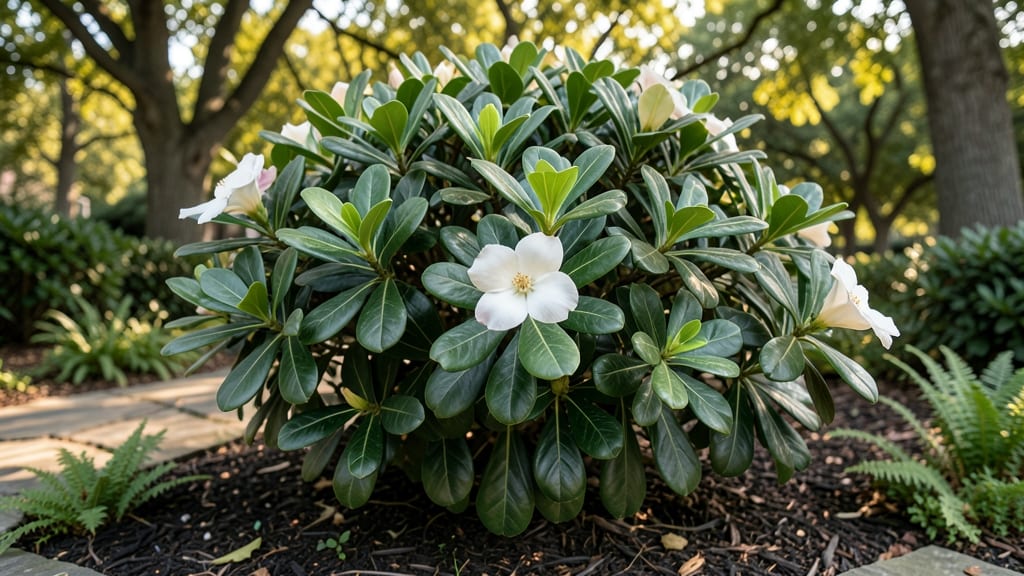
A gardenia tree grows how tall does a gardenia tree grow between 6 and 15 feet at maturity, but its height depends entirely on the variety you choose and how you prune it.
If you’ve ever dreamed of growing fragrant gardenias but worry about them overtaking your yard, understanding their natural growth patterns—and how to control them—is essential.
These tropical beauties can range from shrub-sized to small trees, but with the right pruning techniques, you can shape them to fit even the smallest garden.
For example, standard varieties like Gardenia jasminoides can reach 10 to 15 feet if left unchecked, while dwarf types like Radicans max out around 3 to 5 feet.
The key is knowing when and how to prune to encourage the size you want, whether you’re aiming for a compact hedge or a tall specimen plant.
Below, I’ll break down the factors that influence height—from sunlight and soil to pruning timing—and share the secrets to keeping your gardenia at your ideal size, no matter where you live in USDA Zone 6a.


Natural gardenia tree height: species-specific growth patterns explained
When planning your garden, knowing how tall a gardenia tree grows helps you choose the right variety for your space. Gardenias (Gardenia jasminoides) are prized for their creamy white flowers and intoxicating fragrance, but their mature size varies dramatically by species and cultivar.
Some stay compact at 3 feet tall, while others reach towering 15 feet or more. Understanding these differences ensures you select a plant that fits your landscape vision without requiring constant pruning.
The most common gardenia species, Gardenia jasminoides, typically matures between 6 and 10 feet in ideal conditions. However, its growth rate and final height depend on factors like pruning habits, soil acidity, and sunlight exposure.
For example, gardenias grown in full sun with regular pruning may stay shorter and bushier, while those in partial shade with minimal trimming can grow taller and leggier. Let’s break down the specifics to help you predict and control your gardenia’s height.
Gardenia augusta, another popular variety, often grows slightly taller—reaching 8 to 12 feet at maturity—while dwarf gardenias like Radicans or Fortuniana max out at 3 to 5 feet. These compact varieties are perfect for container gardening or small yards, but even standard gardenias can be shaped to fit tighter spaces with the right care. The key lies in understanding each variety’s natural growth patterns and how environmental factors influence them.
Soil type plays a critical role in determining how tall your gardenia grows. These plants thrive in well-draining, acidic soil with a pH between 5.0 and 6.5. If your soil is alkaline or poorly drained, gardenias may grow slowly or poorly, staying shorter than expected.
Amending the soil with peat moss or sulfur can help create the ideal conditions for faster,
Pruning techniques to control gardenia tree height and shape
If your gardenia tree is growing taller than you'd like, don't worry—pruning is the key to controlling its height and shape. These tropical beauties respond well to strategic cuts, but timing and technique matter.
I’ve learned that pruning at the right time can encourage bushier growth or keep them compact, depending on your garden's needs. The goal is to maintain their health while shaping them to fit your space perfectly.
Before you grab your pruning shears, know that gardenias grow best with moderate pruning—over-pruning can stress the plant and reduce flowering. I always aim to remove no more than one-third of the plant's foliage in a single session.
This approach keeps your gardenia thriving while giving you the shape you desire, whether that’s a compact shrub or a taller specimen tree.
Prune gardenias after flowering in late spring or early summer (May-June). Avoid pruning in fall or winter, as this can damage new growth.
Use sterilized pruning shears or bypass pruners for clean cuts. Keep a disinfectant solution (1 part bleach to 9 parts water) handy to prevent disease.
For compact growth, cut back overgrown branches by one-third to encourage bushiness. For taller growth, remove only lower branches to shape the canopy.
Cut just above a leaf node or bud at a 45-degree angle. Avoid leaving stubs, which can attract pests or rot.
After pruning, apply a balanced fertilizer (10-10-10) to support recovery. Water deeply to reduce stress on the plant.
Check your gardenia monthly for unwanted growth. Light pruning in summer can maintain shape without over-stressing the plant.
One common mistake I see is pruning gardenias in fall or winter, which can lead to fewer blooms the following season. Gardenias need time to recover before cold weather sets in.
Another pitfall is cutting too close to the trunk or leaving jagged edges, which can invite disease or pests. Always make your cuts precise and just above a bud or branch junction.
To encourage a bushier gardenia, focus on pruning the outer branches to open up the center. This allows sunlight to reach the inner foliage, promoting new growth. If you want a taller, tree-like form, remove lower branches and let the upper canopy grow unchecked.
I’ve found that regular light pruning throughout the growing season keeps gardenias looking their best without sacrificing blooms.
Remember, gardenias are sensitive to over-pruning, so always err on the side of caution. A little patience and careful attention to detail will reward you with a fragrant, well-shaped gardenia that fits perfectly in your garden.
With these techniques, you’ll be able to enjoy their beauty without worrying about them outgrowing their space.