
How To
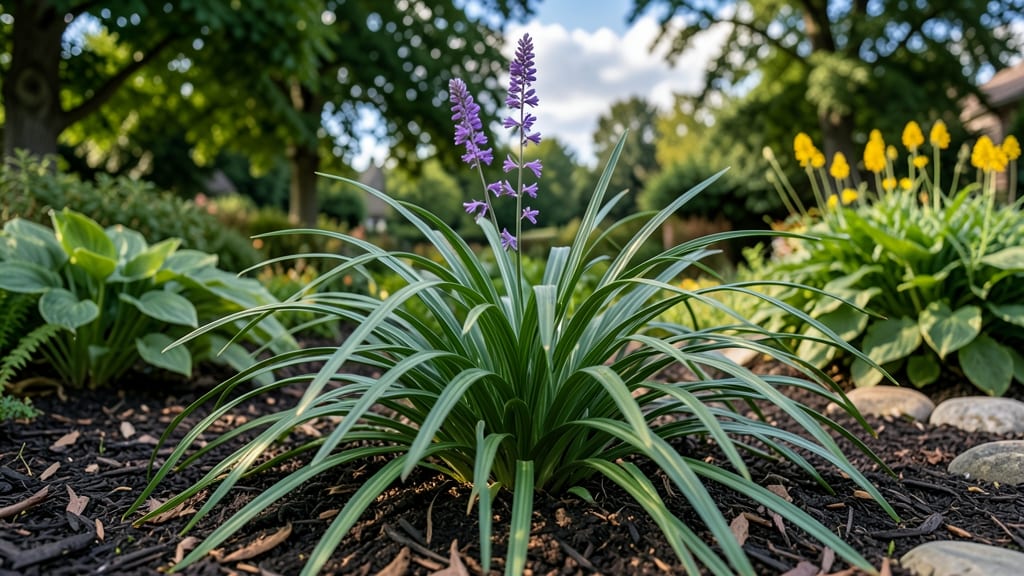
Monkey grass grows between 1 and 6 feet tall depending on the variety and growing conditions, making it a versatile choice for gardens and containers alike.
If you're dreaming of a lush, low-maintenance ground cover that spreads quickly and thrives in various climates, monkey grass (Liriope muscari) could be your perfect solution—but first, you need to know how tall it grows in your zone.
In cooler climates like USDA Zone 6a, expect 1 to 3 feet of growth, while warmer zones can push it toward 4 to 6 feet with the right care. The key to faster growth lies in soil quality, sunlight exposure, and occasional pruning.
Discover how to maximize your monkey grass’s height potential, whether you’re using it as a border, a container plant, or a fast-spreading ground cover that keeps weeds at bay.


Monkey grass height by climate zone: a visual growth chart
Monkey grass (Liriope muscari) is a versatile ground cover that thrives in USDA zones 5 through 10, but its mature height can vary dramatically depending on your climate, sunlight exposure, and the specific variety you choose.
In cooler zones like 5-6, expect 12-24 inches of growth, while warmer zones 8-10 can push heights up to 30-36 inches. Understanding these ranges helps you plan spacing and design layouts that prevent overcrowding while maximizing visual impact.
For gardeners in transition zones (7-8), monkey grass often reaches a balanced 24-30 inches, making it ideal for borders or edging. However, dwarf varieties like 'Little Fortune' stay compact at 12-18 inches, while standard types like 'Big Blue' can tower toward 36 inches in optimal conditions.
Your local climate isn't the only factor—soil fertility and water availability also play critical roles in determining how tall your plants will grow.
| USDA Zone | Variety Type | Mature Height Range | Sunlight Needs | Key Growth Factors |
|---|---|---|---|---|
| 5-6 | Standard | 12-24 inches | Full sun to partial shade | Cooler temps slow growth; needs well-draining soil |
| 7-8 | Standard | 24-30 inches | Full sun preferred | Moderate watering; responds well to fertilizer |
| 9-10 | Standard | 30-36 inches | Full sun to partial shade | Heat-tolerant; drought-resistant once established |
| 5-10 | Dwarf (e.g., 'Little Fortune') | 12-18 inches | Partial shade to full sun | Slower spread; ideal for containers or small spaces |
| 7-10 | Variegated (e.g., 'Silver Dragon') | 24-32 inches | Full sun for best color | Needs consistent moisture; prune to encourage bushiness |
In cooler zones (5-6), monkey grass grows more slowly due to shorter growing seasons, often reaching its peak height by late summer. The dwarf varieties are your best bet here, as they handle colder winters better and won't outgrow their space.
For example, 'Little Fortune' stays under 18 inches even in zone 5, making it perfect for rock gardens or container plantings where space is limited.
Warmer climates like zones 9-10 allow monkey grass to grow taller and spread faster, especially with 6+ hours of sunlight daily.
In these regions, standard varieties can reach 36 inches or more, creating a dramatic backdrop for perennial borders or even as a privacy screen when planted in a dense row. However, be mindful of aggressive spread—this grass can double in size each year if unchecked.
Soil quality dramatically impacts height. Well-draining, slightly acidic soil (pH 6.0-7.0) encourages taller growth, while clay-heavy or waterlogged soil can stunt your plants to half their potential height. Amend your soil with compost or sand before planting to create an ideal environment.
Additionally, regular fertilization in spring and summer can boost height by 20-30% compared to unfertilized plants.
Sunlight is another critical factor. While monkey grass tolerates partial shade, it reaches its maximum height in full sun. In shadier conditions, expect heights to drop by 30-50%.
For instance, a 'Big Blue' variety in zone 8 might hit 36 inches with full sun but only 20 inches in partial shade. If you're planting in a woodland garden, opt for dwarf varieties to avoid disappointment.
When comparing dwarf vs. standard varieties, the differences go beyond height. Dwarf types like 'Little Fortune' spread 50% slower than standard varieties, making them ideal for containers or small gardens. Standard varieties, however, create a lush, dense carpet perfect for large landscapes or erosion control.
If you love the look of monkey grass but have limited space, variegated types like 'Silver Dragon' offer a compromise—taller than dwarfs but with striking foliage patterns.
To maintain ideal height, prune your monkey grass in early spring before new growth begins. Cut back dead or yellowed leaves to encourage fresh, upright growth. Avoid heavy pruning in fall, as this can stress the plant before winter. In warmer zones (9-10), a
How to maximize monkey grass height in your garden
Want your monkey grass (Liriope muscari) to reach its full 36-inch potential? Achieving maximum height requires more than just planting and forgetting—it’s about strategic care. The key lies in understanding how this clumping grass responds to sunlight, soil, and seasonal changes.
With the right approach, you can encourage taller growth while keeping its spread in check, creating a lush vertical accent in your garden.
First, focus on pruning techniques that redirect energy upward. Unlike many grasses, monkey grass grows best when you trim aggressively in early spring—this removes old growth and signals the plant to focus on new, taller shoots.
Pair this with well-amended soil rich in organic matter, which provides the nutrients needed for robust vertical growth. Even small adjustments in your care routine can transform a 12-inch plant into a striking 3-foot specimen within a single season.
- 🌱 Prune in early spring – Cut back dead foliage to 1/3 of height to encourage new vertical growth.
- ☀️ Provide 6+ hours of sun – Full sun boosts height by 20-30% compared to shade.
- 💧 Water deeply weekly – 1 inch per week prevents stunted growth during hot months.
- 🌿 Fertilize in spring/summer – Use 10-10-10 NPK every 6 weeks for taller stems.
- ✂️ Trim flower spikes – Removing seed heads redirects energy to leaf growth.
Your watering schedule plays a critical role in height development. Monkey grass thrives on consistent moisture but detests soggy soil. Aim for deep watering once weekly during dry spells, ensuring the roots penetrate deeply.
This encourages a stronger root system, which directly supports taller growth. In hot climates (zones 8-10), increase frequency to every 5-7 days to prevent wilting, which stunts height potential.
Don’t overlook the power of seasonal adjustments. In fall and winter, reduce watering but avoid fertilizing—this mimics natural dormancy and prevents leggy growth. Instead, focus on mulching with 2-3 inches of compost to protect roots and retain moisture.
By spring’s arrival, your monkey grass will bounce back with faster, taller growth than ever before.
For containers or small spaces, choose dwarf varieties like 'Little Kitten' (12-18 inches tall) while still applying these principles. Even compact types respond well to proper pruning and sunlight, though their height gains will be more modest.
The secret to maximizing height—whether for a border accent or privacy screen—is consistency. Stick to these 5 key practices, and you’ll see dramatic improvements in just one growing season.
Ready to transform your monkey grass from a short ground cover to a showstopping vertical feature? Start with a spring prune, then monitor sunlight and soil moisture like a pro.
With patience and precision, you’ll unlock its full 36-inch height potential—without the aggressive spread. Your garden’s new focal point awaits! 🌿