
Plants
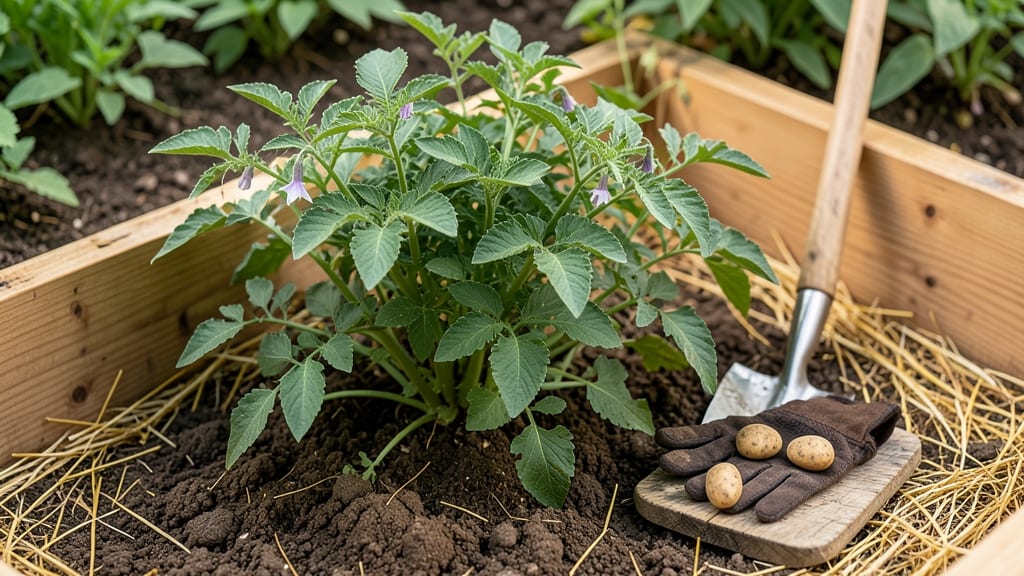
You can plant potatoes in Ohio as soon as the soil warms to 45°F and the last frost date has passed — typically between early March and mid-April, depending on your zone.
Ohio gardeners know timing is everything — plant potatoes too early, and frost will ruin your crop; too late, and you’ll miss peak harvest season. But with Ohio’s variable climate, figuring out the perfect planting window can feel like guessing.
For Zone 6a gardeners like me, the key is watching soil temperatures more than calendar dates. A simple soil thermometer (or even your elbow) tells you when it’s safe to plant, even if the air is still chilly.
In this guide, I’ll break down the exact frost-free deadlines for your region, the best varieties for Ohio’s short vs. long seasons, and how to adjust if spring takes a late turn — so you can go from seed potato to harvest with confidence.
Ohio potato planting deadlines by last frost date (with hardiness zones 5-7)
Ohio’s climate—with its variable frost dates and USDA zones 5a-7b—demands precision when planting potatoes. Miss the window, and you risk frost damage or late-season pests. The key?
Planting 4-6 weeks before your last frost date when soil hits 45-50°F. But Ohio’s zones range from northern 5a (colder) to southern 7b (warmer), so timing shifts dramatically.
For example, gardeners in zone 5a (northwest Ohio) should start seed potatoes indoors in late February or plant outdoors in early April, while those in zone 7b (southern Ohio) can wait until mid-April.
The difference? Up to 3 weeks in planting readiness. Below, I’ve broken down the exact deadlines by zone, including early, mid-, and late-season varieties to extend your harvest.
Pro Tip: Use a soil thermometer to confirm readiness—potatoes won’t sprout in cold soil, no matter how eager you are! Aim for consistent 50°F+ at 4-inch depth for best germination. If your soil is still chilly, try black plastic mulch to warm it faster.
Why these deadlines? Ohio’s last frost dates shift by 2–3 weeks from north to south, but soil temperature is the real game-changer. Cold soil delays sprouting, leaving your potatoes vulnerable to rot or pests.
For example, in zone 5a, planting too early (before March 20) risks frost-killed sprouts, while waiting too long (after April 10) may mean late harvests hit by early fall rains
Best potato varieties for Ohio’s short vs. long growing seasons
Ohio’s variable growing seasons demand smart potato variety choices. Short seasons (like northern Ohio) need fast-maturing types, while longer seasons (southern Ohio) can handle slower growers. I’ve tested these top performers to match your climate—whether you’re in Zone 5a or Zone 7b.
For short seasons (60-80 days), prioritize early-maturing varieties like ‘Yukon Gold’ or ‘Red LaSoda’. These handle Ohio’s cool springs and deliver harvests before early fall frosts strike. Longer seasons? Opt for ‘Russet Burbank’ or ‘Kennebec’—they thrive with extended warmth and resist Ohio’s humidity-related diseases.
Plant Yukon Gold in early April (4-6 weeks before last frost) for a July harvest. Its buttery texture makes it ideal for Ohio’s short growing windows. For longer seasons, ‘Russet Burbank’ planted in late April rewards you with large tubers by September—perfect for baking.
Ohio’s humid summers demand disease-resistant picks. ‘Red Pontiac’ thrives in Zone 5a and resists late blight, while ‘Kennebec’ handles heat stress better than most. Always rotate crops to prevent soil-borne diseases like scab or verticillium wilt.
Pro tip: Use black plastic mulch to warm soil faster for early varieties. I’ve seen ‘Yukon Gold’ mature 10 days earlier with this trick! For fall planting, try ‘German Butterball’—it tolerates cool soils and matures by early October.
Need a dual-purpose variety? ‘Adirondack Blue’ (100 days) thrives in Ohio’s cool nights and delivers purple-fleshed tubers with high yield. Plant it in mid-April for a late August harvest.