
Plants
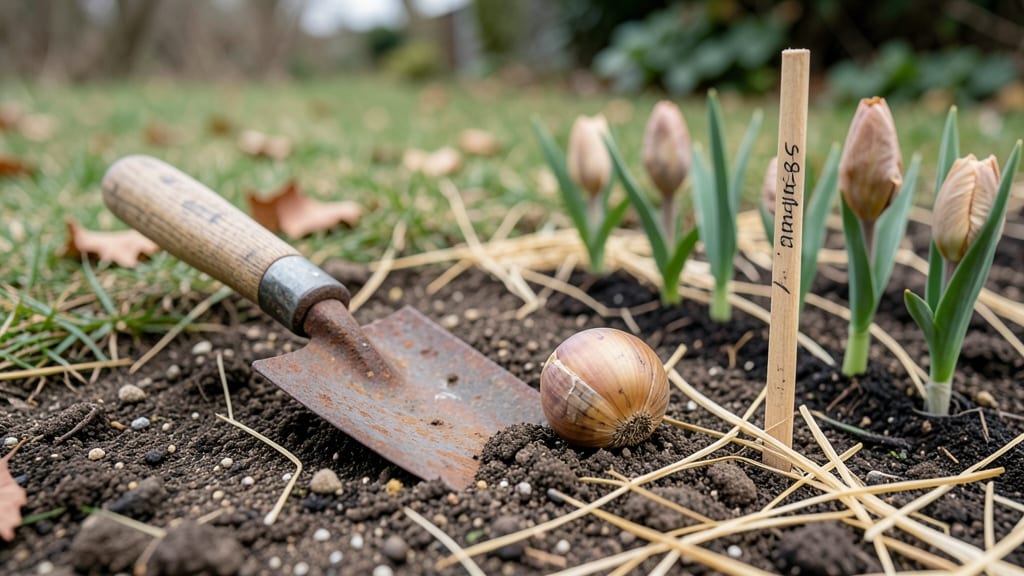
Planting tulip bulbs 🌷 in Ohio between October and November is the key to spring blooms that steal the show — and missing that window means risking frost damage or weak growth before the first hard freeze.
Ohio’s unpredictable winters can turn tulip planting into a guessing game, but timing your bulbs right guarantees vibrant spring blooms year after year. Master the frost-date math to avoid frozen soil or premature sprouting, and transform your garden into a colorful masterpiece.
The ideal window is 4-6 weeks before the ground freezes, usually late October for most of the state. This gives roots time to establish before winter dormancy, while still avoiding the risk of early rain or soft soil.
Below, I’ll break down the exact soil temperature rules, planting depth, and location tips tailored to Ohio’s USDA Zone 6a climate — so you can plant with confidence and enjoy tulips that thrive.
Ohio tulip planting timeline: frost dates and soil temperature rules
Ohio’s USDA Zones 5b-6a create a tight window for planting tulip bulbs—too early, and they’ll sprout before winter; too late, and roots won’t establish before frost. The key?
Planting when soil temps hit 40-50°F and 4-6 weeks before hard frost. This ensures bulbs develop strong roots while avoiding premature growth or frozen soil.
Most of Ohio experiences its first hard frost between October 15-25, with northern regions (like Cleveland) freezing earlier than southern areas (like Cincinnati). Working backward from your local frost date gives you the perfect planting window—typically mid-October to early November.
For example, if your frost date is November 1, aim to plant by October 10-15.
Soil temperature is just as critical as frost dates. Tulip bulbs need 40-50°F soil to root properly. In Ohio, this usually aligns with late October, when daytime temps drop below 60°F but nights stay above freezing.
Use a soil thermometer to confirm—if it’s still above 50°F, wait a few days before planting.
Here’s your Ohio tulip planting timeline broken down by region and key milestones:
| Region | USDA Zone | First Frost Date | Ideal Planting Window | Soil Temp Threshold |
|---|---|---|---|---|
| Northern Ohio (Cleveland, Toledo) | 5b-6a | October 15-20 | Mid-October to October 31 | 40-50°F |
| Central Ohio (Columbus, Dayton) | 6a | October 20-25 | Late October to November 5 | 40-50°F |
| Southern Ohio (Cincinnati, Lexington) | 6b-7a | November 1-5 | Late October to November 10 | 45-55°F |
Pro tip: Check your local Almanac frost dates—they’re more precise than general averages. For example, Cleveland’s frost date might be October 18, while Columbus’s is October 22. Planting 4-6 weeks before these dates gives bulbs time to root without sprouting too soon.
If you miss the ideal window, don’t panic. You can still plant tulips in early December, but bulbs may need extra protection (like mulch or straw) to survive winter. Just avoid planting after the ground freezes—bulbs won’t root in frozen soil, and they’ll rot instead of thrive.
For container gardening, the rules are slightly different. Potted tulips can handle a 1-2 week later planting window because containers warm up faster in spring. Still, aim to plant before November 1 in most of Ohio to give roots time to establish before winter sets in.
One common mistake? Planting tulips in September. While the weather might feel mild, the soil is often still too warm, causing bulbs to sprout early and get fried by frost. Wait until late October to ensure soil temps are in the 40-50°F sweet spot.
After planting, mulch heavily (3-4 inches) with straw or shredded leaves to insulate bulbs from temperature swings. This helps maintain stable soil temps and protects against freeze-thaw cycles that can damage emerging roots in early spring.
Remember: The goal is root establishment before dormancy. By following Ohio’s frost-date math and soil temp rules, your tulips will burst into bloom next spring—vibrant, healthy, and ready to steal the show. 🌷
5 Critical mistakes to avoid when planting tulips in Ohio’s climate
Planting tulip bulbs in Ohio requires careful timing and technique to survive our unpredictable winters. Many gardeners make costly mistakes that lead to frozen bulbs or premature sprouting, both of which can ruin your spring display.
Let’s tackle the top 5 errors and how to fix them before they derail your garden plans.
First, planting too early is a common mistake—especially in Ohio’s northern regions like Toledo or Cleveland. If you plant in September, warm soil can trick bulbs into sprouting before winter sets in. This weakens roots and leaves them vulnerable to freeze damage when temperatures drop.
⚠️ callout warning ⚠️
🌱 Ohio’s Planting Deadline Math
Rule #1: Plant 4-6 weeks before ground freezes—typically mid-October to early November for most of Ohio. Use the USDA Plant Hardiness Zone 6a as your guide.
Rule #2: Soil should be 40-50°F—test with a thermometer or wait until chronicling.com’s frost forecast confirms safe planting.
❄️ Pro Tip: Northern Ohio (e.g., Akron) may need bulbs in by late October, while southern Ohio (e.g., Cincinnati) can extend to mid-November.
Second, skipping soil drainage is another silent killer. Tulips rot in waterlogged soil, a common issue in Ohio’s clay-heavy regions. Always plant on a slight slope or amend soil with compost or sand to improve airflow. A simple perforated bulb planter can save bulbs in heavy clay.
Third, incorrect bulb depth leads to poor growth. Planting too shallow (less than 6 inches) exposes bulbs to freeze-thaw cycles, while burying them too deep (more than 8 inches) stunts flowering.
Use a trowel to dig holes 3x the bulb’s height—typically 6-8 inches for standard tulips.
Fourth, ignoring spacing crowds out roots and invites pests. Tulips need 4-6 inches between bulbs to prevent competition for nutrients. Overcrowding also makes it harder to remove spent blooms, which weakens future growth. Use a spacer tool or mark rows with stakes for consistency.
Finally, forgetting to mulch after planting exposes bulbs to temperature swings. Apply 2-3 inches of straw or shredded leaves to insulate soil and retain moisture. Remove mulch in early spring once shoots emerge to avoid rot from trapped moisture.
By avoiding these mistakes, your Ohio tulips will thrive through winter and reward you with bold spring blooms. Start with the right timing, soil prep, and spacing—then sit back and enjoy the show! 🌷