
Plants
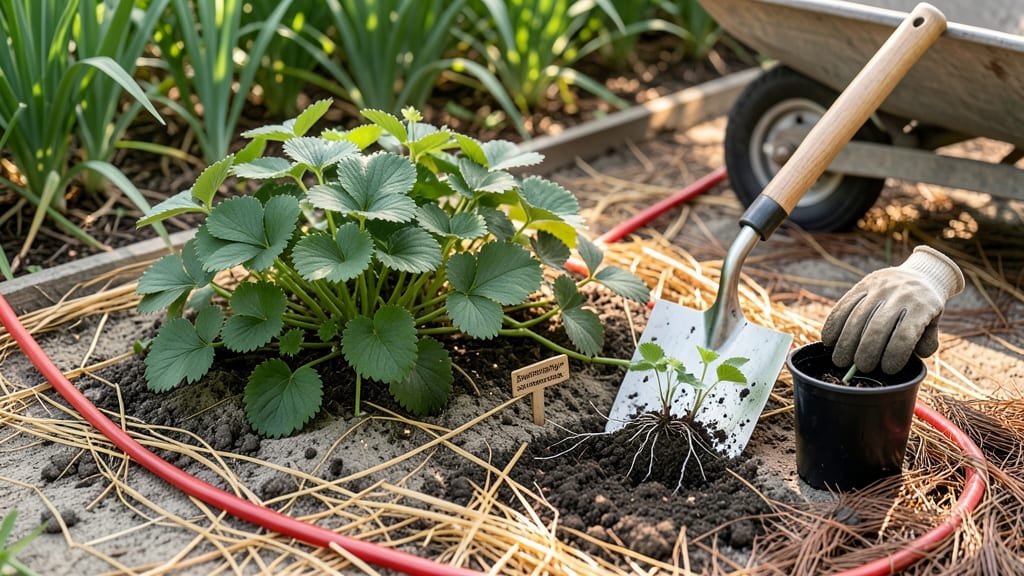
The best time to plant strawberries in Florida is during fall or early spring—when temperatures stay mild and humidity won’t smother your young plants.
Florida’s frost-free climate means you can grow strawberries year-round, but timing matters. Plant in September or October for fall harvests, or in February or March to beat the summer heat. Get it wrong, and you’ll end up with leggy, fruitless plants or berries that burn under the sun.
Here’s the key: choose the right variety for your region—coastal areas thrive with everbearing types, while inland zones do better with June-bearing ones. Plus, I’ll show you how to prep soil, mulch, and water to keep your 🍓 strawberries thriving through Florida’s wild swings.
Skip the guesswork and learn the three mistakes that ruin Florida strawberry beds—plus how to fix them before they happen.
Florida’s optimal strawberry planting windows by region (with critical deadlines)
Florida’s frost-free climate makes strawberries a year-round possibility, but timing still matters. The state’s three distinct regions—North, Central, and South Florida—each have unique microclimates that dictate the best planting windows.
In North Florida (USDA Zones 8a-9a), cooler winters allow fall planting, while Central (Zones 9a-9b) and South Florida (Zones 10a-10b) can plant almost anytime, with summer heat being the bigger challenge. Let’s break down the critical deadlines for each region to ensure your strawberries thrive.
For June-bearing varieties, the goal is to plant when soil temperatures hover between 50°F and 70°F, giving roots time to establish before summer heat sets in. Everbearing varieties, however, are more flexible—they produce fruit in both spring and fall, making them ideal for Florida’s extended growing season.
But even these need the right timing to avoid stress from extreme heat or humidity. Below, we’ll compare the optimal planting months for each region, along with variety-specific advice.
⚠️ NON-NEGOTIABLE: Florida’s strawberries hate soggy roots. Overwatering during the rainy season (June-September) is a top killer, while summer heat can scorch leaves if planted too late. The key is to plant early enough for establishment but not so early that frost (rare but possible in North Florida) becomes a threat. Let’s dive into the region-specific breakdown.
In North Florida, the fall window (September–November) is ideal for June-bearing varieties like ‘Chandler’, which need cool weather to set fruit.
Planting after November 15 risks frost in the Panhandle, while spring planting should wrap up by March 15 to avoid summer heat stress. Everbearing ‘Oso Grande’ is a safer bet here—it produces fruit in both seasons and handles Florida’s mild winters better.
Central Florida’s August–October fall window is perfect for June-bearing ‘Camarosa’, but don’t push it past October 31.
Summer heat can cause blossom drop, so everbearing ‘Albion’ is a smarter choice for year-round harvests. Shade cloth (30-50%) is your best friend here—it keeps leaves from scorching during 90°F+ days while still allowing enough light for fruit production.
South Florida’s tropical climate means strawberries can technically be planted anytime, but timing still matters. June-bearing ‘Sweet Charlie’ thrives when planted in fall or winter, while everbearing ‘Strawberry Festival’ produces fruit year-round with minimal stress.
The real challenge here is soil drainage—amend heavy clay with compost or pine bark to prevent root rot during the rainy season.
Temperature fluctuations are the biggest enemy of Florida strawberries. June-bearing varieties need cool nights (60°F–65°F) to set fruit, while everbearing types tolerate wider temperature swings. In North Florida, this means avoiding summer planting entirely—roots can’t establish in 90°F+ soil.
3 Critical mistakes Florida gardeners make when planting strawberries (and how to fix them)
Even in Florida’s frost-free climate, strawberries demand precision when planting. Many gardeners overlook soil pH balance, watering schedules, and variety selection—three critical factors that can make or break your harvest. Let’s tackle the most common pitfalls and how to avoid them.
First, ignoring soil pH is a silent killer. Strawberries thrive in acidic soil (5.5–6.5 pH), but Florida’s sandy soils often test higher. Without adjusting pH, your plants struggle to absorb nutrients, leading to stunted growth and poor fruit production. A simple soil test can save you from wasted effort.
Second, overwatering during humidity peaks creates the perfect storm for fungal diseases like gray mold. Florida’s sticky summer air traps moisture, and soggy roots suffocate plants. Many gardeners drown their strawberries thinking they need constant hydration, but the key is deep, infrequent watering paired with proper drainage.
Third, choosing the wrong strawberry variety for your microclimate is a recipe for disappointment. June-bearing types (like ‘Chandler’) need cooler temps to fruit, while everbearing varieties (like ‘Seascape’) handle Florida’s heat better. Planting the wrong type in the wrong season means fewer berries—or none at all.
While Florida’s frost-free growing season lets you plant strawberries year-round, fall (September–November) and early spring (January–March) are ideal. Planting in summer’s brutal heat stresses roots, while late spring plantings may not fruit before the next heatwave.
For maximum yields, align your planting with Florida’s cooler, drier months—even if it’s not the "traditional" spring window.
To fix these mistakes, start with a soil test kit (available at garden centers for ~$10). If your pH is off, amend with sulfur (to lower pH) or lime (to raise it).
For watering, aim for 1–2 inches of water per week, delivered in the early morning to reduce evaporation and fungal risks. Finally, opt for Florida-friendly varieties like ‘Sweet Susan’ (everbearing) or ‘Florida Bright’ (June-bearing) that match your region’s climate.
Pro tip: Use mulch (straw or pine needles) to regulate soil temperature and retain moisture. This simple step cuts down on watering needs and keeps roots cool during Florida’s scorching summers. With these fixes, you’ll avoid the top three mistakes and enjoy a bountiful strawberry harvest year-round.
Remember, strawberries are light feeders—over-fertilizing leads to leafy growth at the expense of fruit. Stick to a balanced 10-10-10 fertilizer applied every 6–8 weeks during the growing season. Your plants (and your taste buds) will thank you.