
Trees
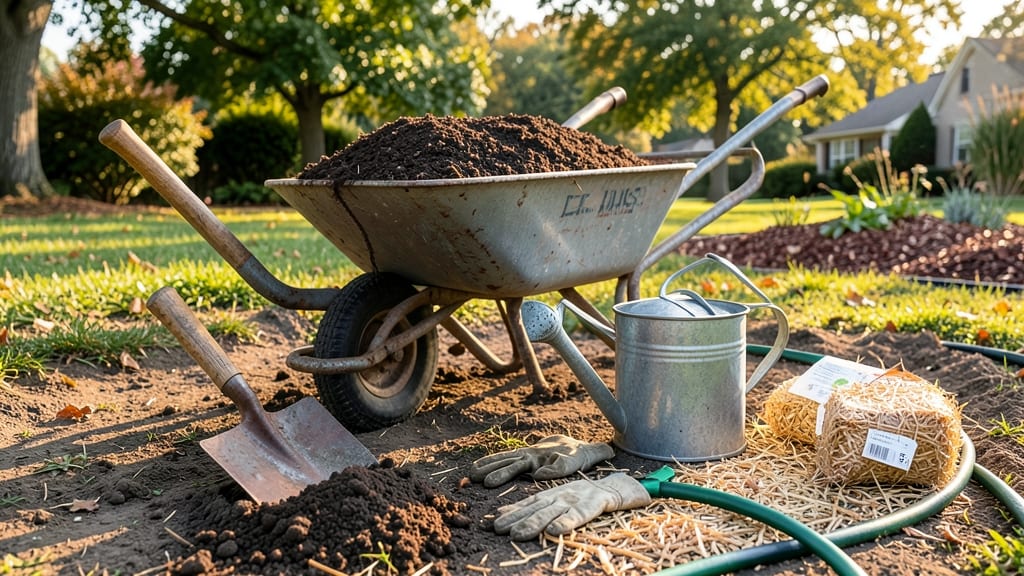
The best time to plant trees in Illinois depends on your USDA zone and whether you prefer spring or fall planting — both have distinct advantages for root establishment.
Picture this: you’ve picked the perfect 🌳 for your yard, but if you plant it too early in spring, frost can damage tender roots. Too late in fall, and winter’s chill might not give it enough time to settle in.
Illinois’ USDA zones 5-6 demand precision, and missing the window can mean years of struggling growth instead of a thriving landscape.
Spring planting (March–April) gives your tree a full growing season before winter, while fall (October–November) lets it establish roots in cool soil before dormancy. Both seasons work, but the critical factor is soil temperature and frost dates — and those vary wildly from northern to southern Illinois.
Below, I break down the exact planting deadlines by zone, the best tree species for each season, and how to prepare your soil so your new tree doesn’t just survive—it thrives from day one.
Illinois tree planting deadlines by USDA zone: spring vs. fall schedule
Timing your tree planting in Illinois can make or break your tree's survival. The USDA zones 5a-6b across the state mean you have two prime windows: early spring and fall.
Fall planting often outperforms spring because trees establish roots in cooler soil before winter dormancy, while spring planting risks drought stress as temperatures rise.
Northern Illinois (zones 5a-5b) faces earlier frost dates than southern Illinois (zones 6a-6b). For example, Chicago's last frost typically arrives by April 15, while St. Louis sees it around March 20. These dates shift your planting deadlines by 2-3 weeks between regions, so local frost data is critical.
Soil temperature matters more than air temperature. For spring planting, aim for 40-50°F soil temps (use a soil thermometer). In fall, plant when soil temps drop to 50-60°F—this gives roots time to establish before freezing ground sets in.
Northern Illinois should plant fall trees by October 15, while southern zones can extend to November 15.
| USDA Zone | Spring Planting Window | Fall Planting Window | Soil Temp Threshold | Key Consideration |
|---|---|---|---|---|
| 5a (Northern IL) | April 15 - May 15 | October 1 - October 15 | 40-50°F (spring) / 50-60°F (fall) | Short growing season; prioritize cold-hardy species |
| 5b (North-Central IL) | April 1 - May 10 | October 10 - October 30 | 40-50°F (spring) / 50-60°F (fall) | Moderate frost risk; mulch heavily in fall |
| 6a (Southern IL) | March 20 - April 30 | October 15 - November 15 | 45-55°F (spring) / 55-65°F (fall) | Longer growing season; can plant later |
| 6b (Far Southern IL) | March 1 - April 15 | November 1 - November 30 | 50-60°F (spring) / 60-70°F (fall) | Mild winters; can plant evergreens later |
Spring planting in Illinois requires constant moisture as temperatures climb. New roots need 1-2 inches of water weekly during the first growing season. In contrast, fall-planted trees benefit from natural winter moisture and establish deeper roots before spring competition.
My personal tip: always water deeply after planting—15-20 gallons for young trees—to encourage root spread.
Bare-root trees are best planted in early spring (March-April) because their roots can absorb moisture from thawing soil immediately. Container-grown trees, however, offer more flexibility—you can plant them year-round except in extreme heat or cold.
If you miss the ideal windows, early fall (September) is your next best option for container-grown specimens.
Don't overlook mulching—it's non-negotiable in Illinois' freeze-thaw cycles. Apply 3-4 inches of mulch around your tree's base (but keep it 6 inches away from the trunk) to insulate roots.
Organic mulch like wood chips or shredded bark breaks down over time, improving soil structure. Replenish mulch annually to maintain moisture retention.
Evergreen trees like arborvitae or pine need special attention in Illinois' winter winds. Plant them in sheltered locations and water throughout winter if snow cover is minimal. Deciduous trees (like oak or
5 Critical factors that determine your tree’s survival in Illinois
Even with perfect timing, your tree’s survival hinges on five non-negotiable factors that Illinois gardeners often overlook. From northern Illinois’ harsh winters to clay-heavy soils, these elements separate thriving trees from failed investments. Let’s break down what truly matters beyond just planting season.
First, soil moisture is the silent killer of young trees. Illinois’ spring rains can drown roots, while summer droughts leave them parched. The key? A well-amended hole with compost or sand to improve drainage, especially in USDA zone 5a where water evaporates faster.
Next, the root ball size determines how quickly your tree establishes itself. A too-small root ball (under 12 inches in diameter) struggles to access nutrients, while an oversized ball risks girdling. For bare-root trees, spread roots outward like a starfish—never fold them upward.
Don’t underestimate species hardiness—what works in southern Illinois (zone 6b) may fail in Chicago’s zone 5b. For example, sugar maples are hardy to zone 4, while southern magnolias need zone 7. Always match the tree’s cold tolerance to your last frost date.
After planting, mulching and watering become your best friends. A 3-inch layer of mulch retains moisture and regulates soil temperature, but never pile it against the trunk—this creates a rot-prone zone.
For young trees, drip irrigation is ideal; it delivers water directly to the roots without disturbing the soil.
Finally, monitor for stress signs like wilting leaves or yellowing foliage. In northern Illinois, late spring droughts often mimic disease symptoms. If you see leaf scorch, increase watering immediately—trees can recover if roots stay hydrated.
With these five factors in check, your tree’s survival rate jumps from 50% to 90%+.