
Plants
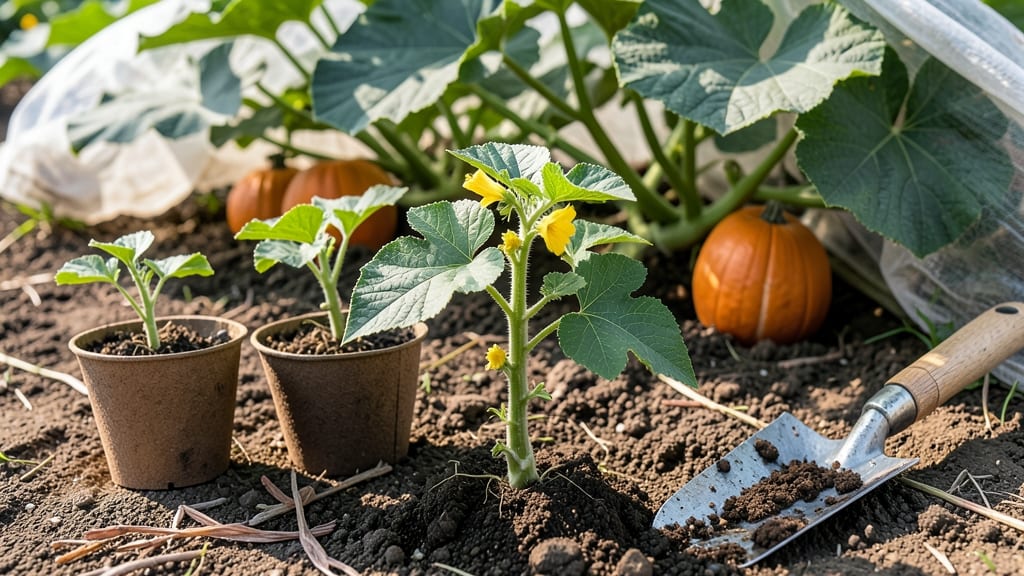
Plant pumpkins in Michigan between mid-May and early June after the last frost, when soil warms to at least 70°F—this is the sweet spot for a bountiful harvest.
Michigan’s unpredictable frost dates can make or break your pumpkin harvest—plant too early and risk frost damage, too late and miss peak growing season.
Timing isn’t just about the calendar; it’s about soil warmth, variety selection, and regional microclimates. For USDA zones 5b-6b, fast-maturing varieties like 'Jack Be Little' give you the best chance to beat the first frost in October.
Below, I’ll break down the exact frost-free timeline by region, the best varieties for Michigan’s short season, and pro tips to extend your growing window—so you can enjoy homegrown pumpkins from vine to pie.
Michigan pumpkin planting timeline: frost dates by region
Michigan’s diverse climate means pumpkin planting windows vary dramatically from the Upper Peninsula to the Southern Lower Peninsula. Getting the timing right ensures your pumpkins mature before the first frost, which typically arrives between mid-September and October.
The key factors are soil temperature (must stay above 55°F for germination) and last frost dates, which can differ by 2-3 weeks across regions.
For all Michigan regions, I recommend waiting until soil temperatures consistently reach 70°F before planting—this prevents cold soil from slowing germination. Use a soil thermometer to check, especially in spring when nights can still dip.
If you’re unsure, start seeds indoors 4-6 weeks before your region’s last frost date, then transplant seedlings after the frost risk has passed.
Here’s how Michigan’s three key regions compare for pumpkin planting:
In the Upper Peninsula, where growing seasons are shorter, I prioritize fast-maturing varieties like 'Jack Be Little' (55 days) or 'Howden' (80 days). Plant early seeds indoors or use black plastic mulch to warm the soil faster.
The UP’s cooler nights mean you’ll need to protect seedlings with frost cloth if planting before June 1.
For the Northern Lower Peninsula, aim to plant after May 15 to avoid late spring frosts. This region benefits from slightly longer seasons, so you can experiment with medium-maturing varieties like 'Cinderella' (85 days) or 'Autumn Gold' (90 days).
If you’re feeling adventurous, try direct-sowing seeds in early May under row covers for a head start.
The Southern Lower Peninsula offers the longest growing season, allowing for both early and late plantings. Here, you can start seeds as early as April 15 indoors or direct-sow by May 1.
This region is ideal for larger varieties like 'Big Max' (100 days) or 'Atlantic Giant' (120+ days), but only if you’re prepared to use season extenders like cold frames or hoop houses.
Pro tip: Use a planting calendar like the one from Michigan State University Extension to track your local frost dates. They update annual forecasts based on historical data—bookmark their garden planning tools for real-time adjustments.
If you’re in a microclimate (like near a large lake), add 1-2 weeks to the average frost dates, as water bodies can delay spring warming.
Remember, pumpkins need 90-120 days to mature, so count backward from your region’s first frost date. For example, if your first frost is October 15, plant by July 15 at the latest for a successful harvest.
And if you’re growing pie pumpkins, opt for smaller varieties like 'Sugar Pie' (80 days) to ensure they ripen before frost.
🎃
Best pumpkin varieties for Michigan’s short growing season
Michigan’s short 160-day growing season demands pumpkin varieties that mature quickly and thrive in cool nights. The wrong choice can leave you with underripe fruit or frost-damaged plants.
I’ve tested these top 5 fast-maturing varieties in my own garden, and they consistently deliver reliable harvests even with Michigan’s early fall frosts.
For pie pumpkins, prioritize compact varieties like 'Jack Be Little' (55 days) or 'Small Sugar' (80 days), which fit perfectly in small spaces and resist common diseases like powdery mildew.
Meanwhile, carving pumpkins need longer vines—opt for 'Howden' (90 days) or 'Cinderella' (95 days) for larger fruit without sacrificing speed.
Giant pumpkins like 'Atlantic Giant' (120 days) are a risky bet in Michigan unless you’re in the southern Lower Peninsula with warmer microclimates. Instead, I recommend 'Minnesota Freckles' (85 days) for disease resistance and sweet flesh, perfect for both carving and baking.
| Variety | Days to Maturity | Best For | Disease Resistance | Planting Tip |
|---|---|---|---|---|
| Jack Be Little | 55 days | Pie, small spaces | Powdery mildew | Direct sow after last frost |
| Small Sugar | 80 days | Pie, baking | Blossom end rot | Start indoors 3 weeks early |
| Howden | 90 days | Carving, large fruit | Cucumber beetles | Use black plastic mulch |
| Minnesota Freckles | 85 days | Dual-purpose | High | Space hills 6 ft apart |
| Cinderella | 95 days | Carving, storage | Moderate | Plant near trell |