
How To
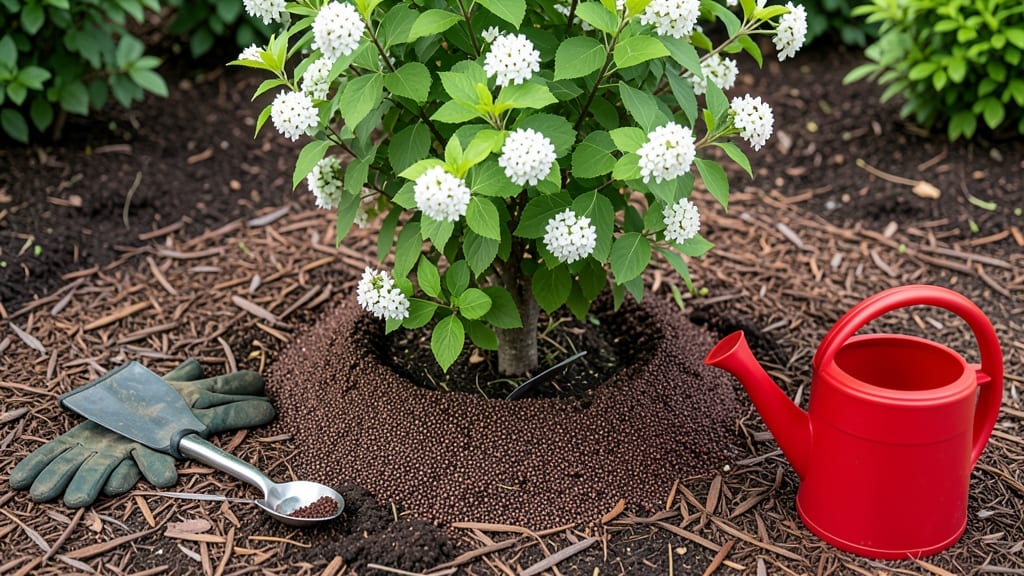
To fertilize viburnum at the right time means feeding it just as new growth kicks in—early spring and again in late summer—when roots are primed to soak up nutrients.
You’ve probably watched your 🌿 viburnum struggle with yellowing leaves or sparse blooms, only to realize you fed it too late (or too early). Timing isn’t just about the calendar—it’s about matching fertilizer with the plant’s natural cycles, so you’re not wasting money or stressing the roots.
In this guide, I’ll break down the two key windows for fertilizing viburnum—why spring is critical for budding blooms and how a late-summer boost sets up next year’s growth. Plus, I’ll share how to pick the right fertilizer (organic vs. synthetic) and spot the warning signs of overdoing it.
By the end, you’ll know exactly when to reach for that bag of fertilizer—and when to leave your viburnum alone to thrive on its own.

Best times to fertilize viburnum: spring vs. fall schedule
Timing your viburnum fertilization correctly is the secret to vibrant blooms and lush foliage. Unlike many shrubs, viburnum thrives when fed during two critical windows: early spring and late fall.
These periods align with natural growth cycles, ensuring nutrients are absorbed efficiently rather than wasted. Skipping this schedule can leave your plant nutrient-deprived or even stressed.
In early spring, aim to fertilize 4-6 weeks before bud break—typically in late February to early March in most USDA zones. This timing gives your viburnum a nutrient boost as it prepares for new growth.
In late fall, fertilize after leaf drop but before hard frost, usually in October or November, to support root development over winter.
Your local climate plays a huge role in these timings. In warmer zones (7-10), where winters are mild, you might adjust spring fertilization to January-February to avoid summer heat stress. Conversely, in colder zones (3-6)late March or April to prevent fertilizer burn from early thaws.
Here’s why these timings matter: Viburnum absorbs nutrients most efficiently when it’s actively growing. In spring, roots expand rapidly, and new shoots need phosphorus and nitrogen for energy.
Fall fertilization, though lighter, strengthens roots for winter resilience. Missing these windows can lead to stunted growth or weak stems prone to breakage.
Now, let’s break down the exact timing and climate-specific adjustments in this easy-to-follow table:
| Season | Best Time | Climate Adjustments | Key Goal |
|---|---|---|---|
| Spring | 4-6 weeks before bud break |
|
Boost new growth & blooms |
| Fall | After leaf drop, before frost |
|
Strengthen root system |
| Summer/Winter | Avoid fertilizing | Prevent stress or burn | Focus on watering & pruning |
For young viburnum shrubs (under 3 years old), a lighter touch is best. Use half the recommended dose in spring only—fall fertilization can stress tender roots.
Mature shrubs (3+ years) benefit from both spring and fall feedings, but never exceed 1/2 cup of fertilizer per shrub in a single application to avoid nutrient overload.
If you’re in a transition zone (6-7), where winters are unpredictable, err on the side of earlier spring fertilization (late February) and skip fall feeding entirely.
Cold snaps can disrupt root development if fertilizer is applied too late. Always check your last frost date—this is your best guide for timing.
Pro tip: Pair your spring fertilization with a 2-inch layer of mulch to retain moisture and regulate soil temperature. In fall, avoid heavy mulching until after the ground freezes to prevent rot. Both practices enhance nutrient absorption and protect your viburnum’s roots year-round.
Watch for signs of over-fertilization, like yellowing leaves or excessive new growth. If you see these, flush the soil with water and hold off on feeding until the next spring. Your viburnum will thank you with healthier stems, bigger blooms, and fewer pests!
🌿
How to choose the right fertilizer for viburnum growth
Choosing the right fertilizer for viburnum can make the difference between vibrant blooms and stunted growth. Viburnums thrive with a balanced NPK ratio of 10-10-10 or 5-10-10, but the type—organic or synthetic—plays a critical role in long-term plant health and soil quality.
Let’s break down your options to help your viburnum flourish.
First, consider your soil type and plant maturity. Young viburnums benefit from slow-release fertilizers to encourage root development, while established shrubs may need micronutrient boosts like iron or manganese. Organic options like compost tea or fish emulsion improve soil structure over time, while synthetic fertilizers provide quick nutrient uptake.
When to fertilize viburnum matters just as much as what you use. Apply fertilizer in early spring (before bud break) and late summer (after blooming) to avoid shocking the plant. Over-fertilizing can lead to burnt leaves or excessive foliage at the expense of flowers. Always water deeply after application to help nutrients reach the roots.
Organic vs. Synthetic Fertilizers for Viburnum
Organic Fertilizers
- Pros: Improves soil health, slow-release nutrients
- Cons: Requires more frequent applications
Synthetic Fertilizers
- Pros: Fast nutrient uptake, precise NPK ratios
- Cons: Can harm soil structure over time
For organic options, try compost tea or worm castings to enrich the soil naturally. These add beneficial microbes that improve nutrient absorption. If you prefer synthetics, opt for a slow-release granular fertilizer with a 10-10-10 ratio to avoid nutrient spikes.
Always follow package instructions for dosage—viburnums are sensitive to excess salts.
Watch for signs of nutrient deficiencies, like yellowing leaves (iron deficiency) or purple stems (phosphorus deficiency). If you notice these, adjust your fertilizer blend accordingly. For example, a chelated iron supplement can correct chlorosis in acidic soils. Regular soil tests every 2-3 years will help you fine-tune your approach.
Remember, less is more with viburnums. Over-fertilizing can lead to weak stems or reduced flowering. Stick to the 2-3 year fertilization schedule and focus on mulching with compost to maintain soil fertility between feedings.
With the right fertilizer and timing, your viburnum will reward you with healthy growth and stunning blooms for years to come. 🌿