
How To
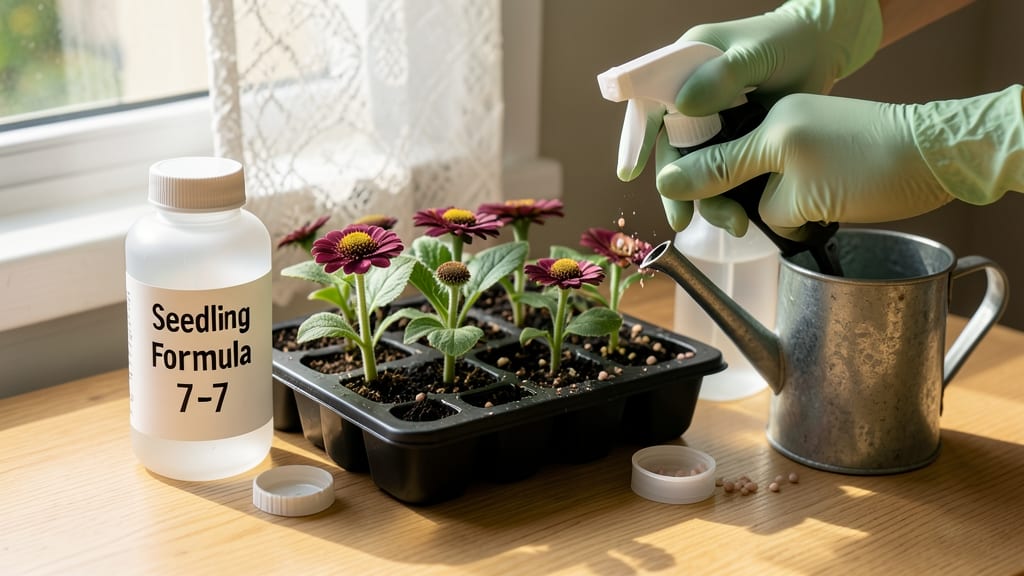
Fertilizing zinnia seedlings at the right time is the secret to those bold, long-lasting blooms 🌼 — and skipping these key stages can leave your plants weak and underwhelming.
Picture this: You’ve nurtured your tiny zinnias for weeks, only to watch them flop over or produce sparse flowers. That’s not bad luck—it’s a missed feeding window. The difference between a thriving zinnia and a struggling one often comes down to timing, not just what you feed them.
Most gardeners wait too long, but the best results come from feeding at three precise moments: right after germination, when transplanting, and just before the first buds appear. Each stage needs a different approach, whether you’re using organic compost or a balanced synthetic fertilizer.
Below, I’ll walk you through the exact weeks to fertilize, how to spot nutrient deficiencies before they damage your plants, and the one mistake that kills seedlings faster than drought. Ready to grow zinnias that steal the show?

The 3 critical fertilizing stages for zinnia seedlings (with timing guide)
Zinnia seedlings need precise fertilization timing to thrive. Skipping these stages can lead to weak stems, fewer blooms, or even seedling death. The key is feeding them at the right moments—not too early and not too late.
Let’s break down the exact weeks after germination when your zinnias need nutrients most.
First, zinnias are light feeders, so over-fertilizing is a common mistake. Their roots are delicate, especially in the early stages. A balanced fertilizer (like 5-10-5 NPK) is ideal, but timing is everything.
Too much too soon can burn young roots, while waiting too long stunts growth. Here’s how to nail it.
Apply a light organic feed (e.g., fish emulsion or compost tea) when seedlings have 2-3 true leaves. Avoid synthetic fertilizers—they’re too strong for tiny roots.
After transplanting, wait 2 weeks before fertilizing. Use a balanced liquid fertilizer (half-strength) to encourage root establishment.
Switch to a high-phosphorus fertilizer (e.g., 10-20-10) when buds form. This boosts flower production and prevents leggy growth.
For organic gardeners, compost tea or worm castings are excellent choices during the seedling stage. Synthetic fertilizers work too, but dilute them to quarter-strength for young plants. Always water the soil thoroughly before and after applying fertilizer to prevent root burn.
Watch for yellowing leaves or slow growth—these are signs your zinnias need nutrients. However, dark green leaves with no flowers? You’re over-fertilizing. Zinnias reward precision, not excess.
Climate matters too. In hot, dry zones, fertilize in the early morning to reduce evaporation. In cooler areas, wait until soil warms to 60°F (15°C) before feeding. Timing isn’t just about weeks—it’s about weather and plant signals.
Pro tip: Mix 1 tbsp of fertilizer into the soil at transplanting for a slow-release boost. This avoids shocking delicate roots while providing long-term nutrients. Pair this with mulch to retain moisture and regulate soil temperature.
By following these three stages, your zinnias will develop strong stems, vibrant blooms, and longer vase life. Skipping any step risks weak plants that flop in the heat or fail to flower. Give them the care they deserve, and they’ll reward you with months of color.
Remember: Zinnias are annuals, so focus on early growth and bloom support. Once flowers fade, stop fertilizing—it’s time to enjoy the show or save seeds for next year! 🌼
How to choose the right fertilizer for zinnia seedlings (and what to avoid)
Zinnia seedlings thrive with the right nutrients, but choosing the wrong fertilizer can burn delicate roots or stunt growth. Balanced fertilizers (like 5-10-5) are ideal for seedlings, while high-phosphorus blends (10-20-10) support root development.
Organic options like compost tea or fish emulsion also work well. Avoid high-nitrogen fertilizers (e.g., 30-0-0) early on—they encourage leafy growth at the expense of flowers.
For young zinnias, organic fertilizers break down gently, preventing nutrient overload. I recommend starting with a half-strength solution of compost tea or a low-NPK synthetic blend (e.g., 5-5-5).
If you’re using granules, sprinkle them lightly around the base and water them in. Over-fertilizing is a common mistake—zinnias are sensitive to salt buildup, which can wilt seedlings.
| Growth Stage | Recommended Fertilizer Type | NPK Ratio | Frequency |
|---|---|---|---|
| Seedling Stage (0-4 weeks) | Balanced Organic (compost tea, worm castings) | 3-4-6 or 5-5-5 | Every 3-4 weeks |
| Transplanting (4-6 weeks) | Low-NPK Synthetic (5-10-5) or Fish Emulsion | 5-10-5 or 4-8-8 | Every 4 weeks |
| Pre-Bloom (6-8 weeks) | High-Phosphorus (10-20-10) or Bone Meal | 10-20-10 or 3-12-6 | Every 6 weeks |
DIY fertilizers are a great way to avoid harsh chemicals. Mix 1 part compost with 2 parts soil for a gentle boost, or brew a compost tea by steeping compost in water for 24 hours.
For a quick fix, dilute fish emulsion (1 tbsp per gallon of water) and apply every 4 weeks. These options are seedling-safe and improve soil structure over time.
Watch for signs of over-fertilization, like crispy leaf edges or yellowing between veins. If this happens, flush the soil with water to leach excess salts. Under-fertilizing is just as bad—zinnias may produce small, sparse blooms or flop over from weak stems.
Adjust your feeding schedule based on your plants’ response; zinnias typically need less fertilizer than vegetables.
In hot climates, reduce fertilizer strength by half to prevent stress. Zinnias in cooler zones (USDA 5-7) may benefit from a light spring feeding to kickstart growth. Always water deeply after fertilizing to help nutrients reach the roots. Morning applications minimize leaf burn from evaporation.
Remember: zinnias are annuals, so focus on root and bloom development rather than foliage. Skip fertilizers in late summer to harden off plants for fall. With the right approach, your seedlings will reward you with bold, long-lasting blooms all season. 🌼