
Planting
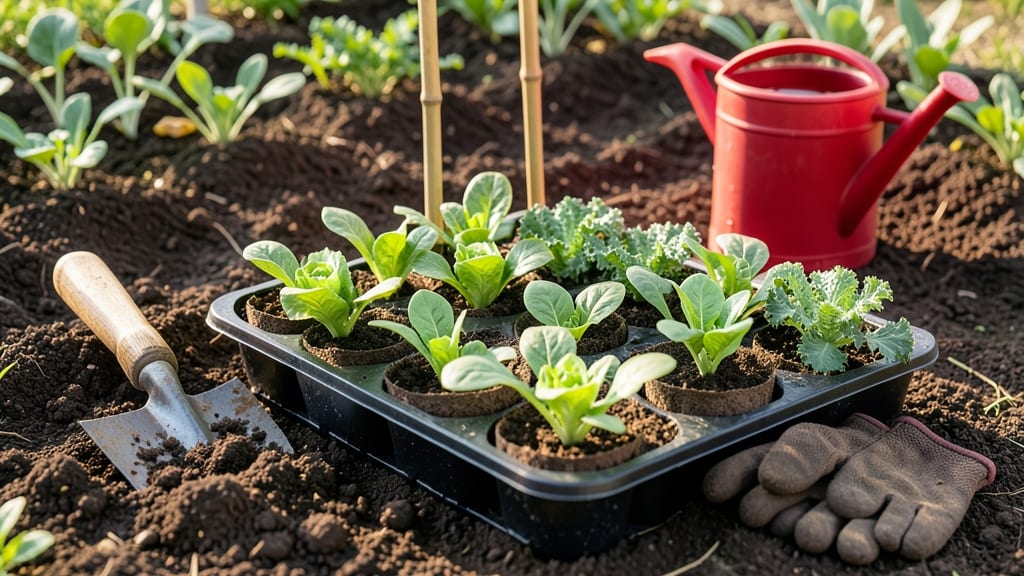
Planting a vegetable garden in New York requires timing your crops to avoid frost and maximize your harvest, especially with the state’s varied climate zones.
New York’s unpredictable climate can make timing your vegetable garden a high-stakes game—plant too early, and frost will wipe out your hard work; too late, and you’ll miss the harvest window.
But with the right last frost dates and backup strategies, you can grow a thriving garden even in the Empire State’s variable weather.
Whether you’re in Zone 4 upstate or Zone 7 near NYC, knowing when to start seeds indoors and when to transplant outside is the key to success.
The last frost dates shift from late May in the north to mid-April in the city, so your planting schedule should match your location.
In this guide, I’ll walk you through the exact frost dates by zone, backup planting tips for late springs, and how to stretch your growing season with row covers and succession planting—so you can enjoy fresh 🌱 vegetables all summer long.
New York’s last frost dates by planting Zone: critical timing for vegetable success
New York’s last frost dates vary dramatically across its 6 USDA planting zones, from Zone 3 in the Adirondacks to Zone 9 in parts of Long Island. These dates determine whether your tomatoes or spinach will thrive—or freeze.
For example, Zone 3 (northern NY) averages its last frost around May 15, while Zone 9 (Long Island) sees frost-free soil by March 15. Understanding these variations helps you avoid the heartbreak of a late-spring frost wiping out your seedlings.
To plan successfully, use the 10-day rule: Wait 10 days after the average last frost date before planting warm-season crops like peppers or eggplants. This buffer accounts for unpredictable false springs when temperatures spike briefly before dropping again.
For cold-hardy vegetables (e.g., kale, peas, radishes), you can plant as early as 2-4 weeks before the last frost date, as they tolerate light frosts.
Regional microclimates add complexity. Cities like New York City (Zone 7-8) often experience urban heat islands, delaying frost by 1-2 weeks compared to rural areas. Meanwhile, Buffalo (Zone 6) can see frost as late as May 25, risking damage to tender seedlings.
Always check local weather forecasts and historical data from Cornell Cooperative Extension for your specific area.
Here’s a quick reference for New York’s last frost dates by zone, including ideal planting windows for key vegetables:
| USDA Zone | Avg. Last Frost Date | Cold-Hardy Crops (Plant Before Frost) | Warm-Season Crops (Plant After Frost + 10 Days) | Regional Notes |
|---|---|---|---|---|
| Zone 3 (Adirondacks, North Country) | May 15 | Peas, spinach, kale, radishes | Tomatoes (June 5), peppers (June 15) | Short growing season; use row covers |
| Zone 4 (Western NY, Finger Lakes) | May 1 | Lettuce, carrots, broccoli | Tomatoes (May 11), cucumbers (May 21) | Buffalo area may see frost until May 15 |
| Zone 5 (Central NY, Syracuse) | April 25 | Onions, cabbage, Swiss chard | Peppers (May 15), eggplants (May 25) | Soil warms faster than air temperature |
| Zone 6 (Hudson Valley, Albany) | April 15 | Spinach, peas, lettuce | Tomatoes (April 25), basil (May 5) | Urban areas (NYC) may be 1-2 weeks earlier |
| Zone 7 (Long Island, NYC) | March 25 | Arugula, radishes, peas |
Backup planting strategies for New York’s unpredictable spring: extending seasons with row covers and succession plantingNew York’s spring weather can shift faster than a blooming tulip in April. One day it’s 70°F, the next it’s 32°F with frost warnings. To protect your vegetable garden investments, I’ve mastered three backup strategies that let me extend my growing season—even when Mother Nature throws curveballs. First, floating row covers are my secret weapon. These lightweight fabrics raise soil temperatures by 5°F and shield young plants from late spring frosts. I use them for cold-sensitive crops like tomatoes and peppers until the last frost date has passed. They’re also great for early spring plantings of lettuce and spinach. 🌱Pro Tip: Secure row covers tightly with bricks or stakes—even a small gap lets frost sneak in. 🌱 Row Covers vs. Cold FramesRow Covers
Cold Frames
My second strategy is succession planting, which means staggering plantings every 2 weeks for crops like lettuce, radishes, and bush beans. This ensures a continuous harvest instead of one big bounty that spoils before you can use it. For example, I plant leaf lettuce in early April, again in mid-April, and once more in late April—each batch matures just as the previous one is ready to harvest. For warm-season crops like tomatoes and peppers, I use cold frames to get a head start. These mini greenhouses let me plant 4-6 weeks earlier than the last frost date. I’ve even grown zucchini seedlings in cold frames in early May, then transplanted them outdoors after Memorial Day—giving me a jump on the season. 🌿Variety Tip: Choose heat-tolerant varieties like ’Black Krim’ tomatoes or ’Malaga’ sweet corn for NY’s short growing season. These handle hot afternoons better than standard varieties. Finally, I always keep a frost watch using the National Weather Service alerts on my phone. When a light frost is forecasted, I cover my most vulnerable plants with old blankets or burlap sacks—even a 5°F buffer can mean the difference between a thriving plant and a frozen mess. With these strategies, I’ve turned NY’s unpredictable spring into a gardening advantage. |