
Planting
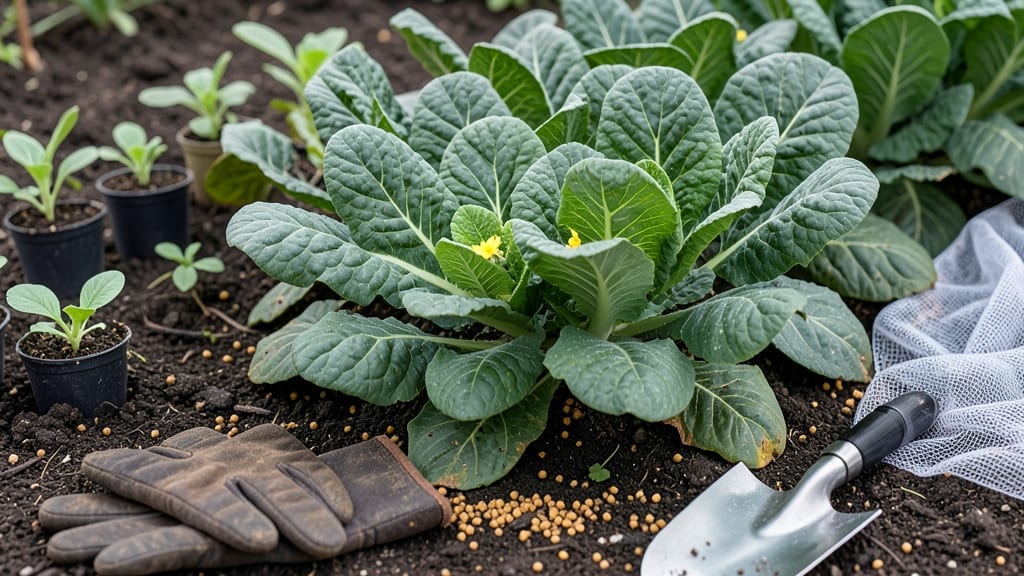
Planting a winter garden in Florida means timing your seeds and seedlings for the coolest months—when temperatures dip just enough to slow pests but not so far that you risk frost in the 8a-11 zones.
Florida’s mild winters create a unique opportunity for gardeners to grow thriving vegetables—if you plant at the right time. But with varying frost dates across the state, timing your winter garden correctly means the difference between a bountiful harvest and a sad, wilted mess.
Unlike northern climates, Florida’s winter window is short but sweet: September-November for fall crops and January-February for true winter harvests. Miss these deadlines, and you’ll either bake your greens in summer heat or watch them bolt before they mature.
Here’s how to nail the timing—down to the zone—so you can enjoy fresh 🥬 spinach, broccoli, and carrots from December through April without the guesswork.
Florida’s frost dates by heat Zone: exact planting deadlines for winter success
Florida’s winter gardening success hinges on understanding your USDA Hardiness Zone and the rare but possible frost risks. Unlike northern states, Florida rarely sees frost, but Zone 8a in the Panhandle can experience light freezes in January.
For Zones 9a-10a, frost is nearly unheard of, but microclimates near water or high elevations may still dip into the 30s°F range.
Your planting window depends on whether you’re growing cool-season crops like broccoli or spinach or heat-tolerant greens like collard greens. In Zone 8a, start seeds indoors by October 15 for transplanting after November 1.
In Zones 9a-10a, you can direct-sow leafy greens as early as September or January for a spring harvest before summer heat arrives.
Here’s your zone-specific frost calendar to pinpoint exact planting deadlines and avoid early frost damage:
For Zone 8a gardeners, the November 1 deadline is critical—planting after this risks frost damage to young seedlings. Use row covers or cold frames to extend your season by 2-3 weeks.
In Zones 9a-10a, you can push planting into December for a spring harvest, but avoid planting heat-sensitive crops like lettuce after January 15.
Pro tip: Succession planting every 2 weeks ensures a steady harvest. For example, sow radishes (ready in 30 days) in September, then again in November for a January-March harvest. This strategy works especially well in Zone 10a, where you can grow cool-season crops year-round with minimal risk.
Monitor your local weather forecasts in December—even a 32°F night can harm tender greens. If frost is forecasted, cover plants with lightweight blankets or frost cloth at dusk
Best winter vegetables for Florida gardens: fast-growing vs. slow-growing options
Florida’s winter garden thrives when you match your crops to their growth speed and heat tolerance. Fast-growing varieties like radishes and turnips can be sown just 4-6 weeks before the last expected frost, while slow-growing crops like cabbage or broccoli need 90+ days to mature.
The key is planting fast growers early and slow growers mid-season to maximize your harvest before spring heat arrives.
In Florida’s USDA Zones 8a-11, most areas experience no frost, but northern zones (8a-9a) can see light frosts in January-February. This means you can plant cool-season crops year-round, but timing matters for avoiding heat stress.
For example, leafy greens like spinach and lettuce bolt (go to seed) when temperatures rise above 80°F, so they’re best planted in fall (Sept-Nov) or winter (Jan-Feb).
Fast-growing vegetables are ideal for Florida’s short winter season because they deliver quick rewards. These crops mature in 30-60 days, giving you time to replant or switch to spring crops before the heat sets in. Examples include radishes (25-30 days), turnips (40-50 days), and bush beans (50-60 days). Plant these in September-October for a fall harvest or January-February for a winter-to-spring harvest.
| Vegetable | Growth Speed | Days to Harvest | Planting Window | Heat Tolerance | Best For |
|---|---|---|---|---|---|
| Radishes | ⚡ Fast | 25-30 | Sept-Oct, Jan-Feb | Low | Quick harvests |
| Turnips | ⚡ Fast | 40-50 | Sept-Oct, Jan-Feb | Medium | Roots & greens |
| Spinach | Medium | 40-50 | Sept-Nov, Jan-Mar | Low | Leafy greens |
| Broccoli | Slow | 90-120 | Sept-Oct, Jan-Feb | Medium | Head crops |
| Cabbage | Slow | 90-120 | Sept-Oct, Jan-Feb | High | ★★★★★4.6(15 reviews) |