
Planting
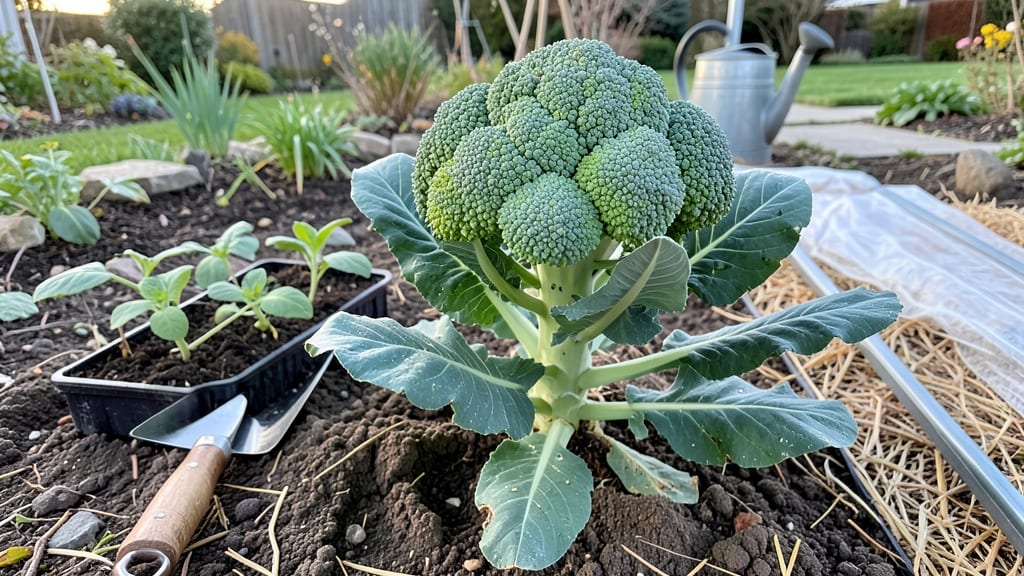
To plant a fall garden in Florida, aim for late summer through early October in North Florida or July through September in Central and South Florida—just as the heat starts to ease.
Florida’s long growing season means fall gardening can be just as productive as spring—but timing is everything to avoid wilting before harvest. Miss the window, and you’ll battle heat stress or pests instead of enjoying homegrown greens.
This isn’t your typical “plant before frost” advice, since most of Florida stays frost-free year-round. Instead, the key is choosing heat-tolerant crops like okra, sweet potatoes, and collards that thrive in late summer’s lingering warmth.
Below, I’ll break down the best planting windows by region, last-minute crops that still work, and how to adjust for Florida’s unpredictable weather—so you can enjoy a bountiful fall harvest without the guesswork.
Florida’s fall planting timeline: month-by-month heat-tolerant schedule
Florida’s fall gardening season is a golden opportunity to grow heat-tolerant crops before cooler weather arrives. Unlike northern states, Florida’s subtropical climate allows for year-round planting, but timing matters to avoid heat stress or pest outbreaks.
North Florida’s Zone 8a has slightly cooler falls, while South Florida’s Zone 11 stays warm longer—so your planting schedule should match your region.
Start with heat-loving crops like okra, sweet potatoes, and collards in late summer, then transition to cooler-season veggies like broccoli and kale by October. The key is planting 6-8 weeks before frost risk (or anytime in frost-free zones) to ensure a successful harvest before winter slows growth.
Miss the window, and you’ll face bolting greens or stunted growth. Below is your month-by-month guide for Florida’s three climate zones, with actionable planting dates and crop recommendations tailored to your location.
| Month | North Florida (Zone 8a) | Central Florida (Zone 9a) | South Florida (Zone 10a/11) |
|---|---|---|---|
| July | Okra, sweet potatoes, black-eyed peas | Okra, sweet potatoes, cowpeas | Okra, sweet potatoes, malabar spinach |
| August | Collards, turnips, heat-tolerant lettuce | Collards, turnips, Swiss chard | Collards, amaranth, peppers |
| September | Broccoli, cabbage, kale (shade cloth) | Broccoli, cabbage, carrots | Green beans, cucumbers, eggplant |
| October | Spinach, radishes, onions (frost risk) | Spinach, radishes, garlic | Lettuce, herbs (basil, cilantro), peas |
| November | Cover crops (clover, rye) | Cover crops, winter squash | Winter greens (mustard, arugula) |
🌱 Pro Tip: Use shade cloth in August-September to protect seedlings from midday heat.
In North Florida, where light frosts can occur by December, prioritize fast-maturing crops like radishes and turnips in September-October. Okra and sweet potatoes thrive in the late summer heat but need well-draining soil to avoid rot.
Central Florida’s Zone 9a offers a longer window for heat-tolerant crops. Plant collards and Swiss chard in August for a winter harvest, and transition to cool-season veggies by October. Peppers and eggplants also perform well in this zone’s mild fall temperatures.
South Florida’s Zone 10a/11 gardeners can plant almost year-round, but September-October is ideal for green beans, cucumbers, and herbs. Malabar spinach and amaranth are heat-resistant greens that thrive in humid conditions, making them perfect for late summer planting.
Regardless of your zone, soil prep is critical. Test your soil’s pH (6.0-7.0 for most veggies) and amend with compost to improve drainage and fertility. Mulch heavily to retain moisture and suppress weeds, especially in sandy Florida soils.
For container gardening, use fast-draining pots and self-watering systems to prevent root rot in the humid fall air
Last-minute fall crops that still work in Florida’s late heat
Don’t let September or October slip by without a fall garden—Florida’s late heat can still support heat-tolerant crops that thrive when cooler-season plants struggle. I’ve grown Malabar spinach and cowpeas in my South Florida garden as late as mid-October with amazing results.
These varieties aren’t just resilient; they actually prefer warmth, making them perfect for extending your harvest into cooler months.
The key is selecting crops that handle 85-90°F temperatures while still benefiting from shorter days. In North Florida, aim for early October planting, while South Florida gardeners can push it to mid-September.
The trick? Combine the right plants with shade strategies and mulching techniques to protect young seedlings from afternoon heat.
For shade protection, I swear by 30-50% shade cloth draped over seedlings during peak afternoon sun. This mimics natural filtering while allowing enough light for photosynthesis. Pair it with 2-3 inches of mulch (straw or wood chips) to lock in moisture and regulate soil temperature.
I’ve seen Malabar spinach grow twice as fast with this combo!
Watering is critical—deep soakings every 2-3 days prevent stress, but avoid overhead watering in the evening to deter fungal diseases. In my Central Florida raised beds, I use drip irrigation on a timer to keep roots consistently moist without wasting water.
For container gardens, check soil moisture daily; pots dry out 3x faster in Florida’s humidity.
Don’t forget to fertilize lightly at planting with a balanced 5-10-10 mix, then switch to a low-nitrogen formula (like 2-4-8) once plants establish. Over-fertilizing in heat can burn roots, so less is more.
I’ve had the best luck with compost tea sprayed on foliage weekly—it boosts resilience without shocking the plants.
With these heat-loving crops and a few smart adjustments, you can enjoy a bountiful fall harvest even as temperatures dip. Try one new variety this season—I promise your garden (and taste buds) will thank you! 🌱