
Plants
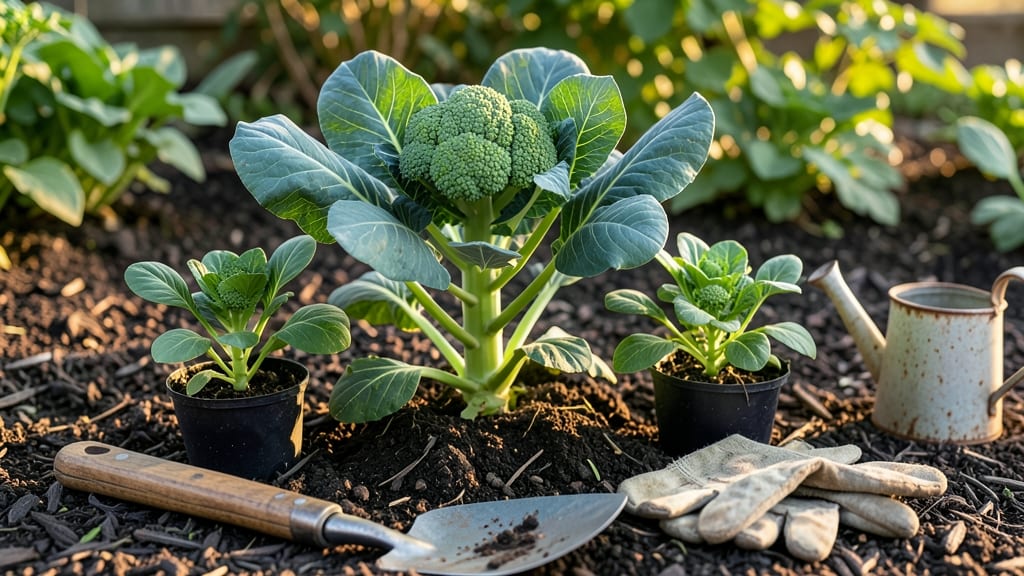
Planting fall broccoli in Zone 6 between mid-August and early September is the sweet spot for a bountiful harvest before frost 🥦.
Planting broccoli at the wrong time in Zone 6 can mean the difference between a thriving harvest and bitter disappointment—especially when fall’s unpredictable chill creeps in too soon.
If you’ve ever stared at a sad, stunted broccoli plant in October wondering what went wrong, you’re not alone. The key is timing: too early and the heat stresses seedlings; too late and frost steals your heads. Here’s exactly when and how to plant for success.
You’ll learn the perfect 4-6 week window before your first frost, whether to start from seeds or transplants, and the simple post-planting care that keeps your broccoli thriving until harvest.
Optimal fall broccoli planting dates in Zone 6: the exact window for success
Getting your fall broccoli timing right in Zone 6 is like hitting a moving target—too early and you risk bolting from heat, too late and frost ruins your crop. The 4-6 week window before first frost is your sweet spot, but soil temperatures and local microclimates add complexity.
Let’s break down the exact dates and methods that work in my garden (and yours!).
First, calculate your average first frost date—typically mid-October in Zone 6. Count backward 60-75 days (broccoli’s maturity range) to land on your planting window. For most of Zone 6, this means mid-August to early September.
But don’t just rely on averages—check your local Almanac’s frost data or use a frost calculator for precision.
Now, here’s the kicker: soil temperature matters just as much as air temperature. Broccoli seeds need 40-85°F soil to germinate, but above 85°F triggers bolting. In Zone 6’s late summer, soil can still hit 90°F+ even when air cools.
That’s why I always plant transplants in August—seeds struggle to germinate in overheated soil.
If you’re direct sowing (seeds in the ground), aim for late August when soil temps drop below 80°F. But transplants give you flexibility. Start them 4-6 weeks before your target date (early August) in cool seedling trays under shade cloth to avoid leggy seedlings.
Harden them off for 7-10 days before transplanting.
Here’s where most gardeners trip up: ignoring microclimates. A south-facing bed warms faster than a north side, and urban areas stay 5-10°F warmer than rural spots.
Test your soil with a thermometer at planting depth (1 inch) to confirm it’s in the 60-70°F range—the ideal zone for broccoli roots.
🌱 Fall Broccoli Planting Comparison: Zone 6
| Method | Best Planting Window | Soil Temp Requirement | Pros | Cons |
|---|---|---|---|---|
| Direct Sowing (Seeds) | Late August–early Sept | 60–70°F (evening temps) | Cheaper, stronger roots | Slower germination if too hot |
| Transplants (Nursery) | Mid-August–early Sept | 55–75°F (adjustable) | Faster growth, flexible timing | Costs more, transplant shock risk |
| Staggered Planting | Every 2 weeks (Aug–Sept) | 60–70°F (consistent) | Extended harvest window | Requires more space |
💡 Pro Tip: For Zone 6b (colder subzone), shift your window 1 week earlier to avoid early frost.
Once you’ve nailed the timing, spacing becomes critical. Crowded plants compete for nutrients and air flow, increasing disease risk. Space 18–24 inches apart in rows 30 inches apart. If you’re short on space, try dwarf varieties like ‘Calabrese’—they mature faster and fit 12 inches apart.
After planting, mulch heavily with straw or shredded leaves to insulate roots from temperature swings and retain moisture. Water deeply 2–3 times per week, aiming for 1–2 inches of water per week. In late September, reduce watering slightly to encourage root hardening before frost.
Don’t forget to fertilize lightly at planting with compost or balanced 10-10-10. Avoid high-nitrogen fertilizers—they promote leafy growth at the expense of head formation. Instead, side-dress with aged compost when heads form to support their weight.
Finally, monitor your plants for cabbage worms and aphids, which love fall broccoli. Use row covers or neem oil if pests appear. With the right timing and care, you’ll harvest tight, flavorful heads from October through November—just in time for holiday meals!
3 Critical timing mistakes that kill fall broccoli growth (and how to fix them)
Fall broccoli thrives in Zone 6 when planted at the right time—but even experienced gardeners make mistakes that stunt growth or ruin harvests. The three most common errors all revolve around timing: planting too early, too late, or ignoring soil conditions.
Each mistake creates a different problem, from premature bolting to frost damage, and they’re all avoidable with simple adjustments.
I’ve learned the hard way that Zone 6’s short growing season leaves little room for error. A late start might mean your broccoli never matures, while an early planting could trigger heat stress or flowering before frost.
The key is understanding your local frost dates and adjusting your schedule accordingly. For most of Zone 6, that means aiming for mid-August to early September—but your exact window depends on your specific microclimate.
⚠️ callout warning ⚠️
Mistake 1: Planting in July – Broccoli planted before mid-August faces bolting risk from summer heat. Temperatures above 80°F trigger flowering, ruining your harvest before frost. Fix: Wait until soil temps drop below 75°F (check with a soil thermometer).
Mistake 2: Planting after September 10th – Late plantings often won’t mature before Zone 6’s first frost (mid-October). Fix: Use cold-hardy varieties like ‘Waltham 29’ or ‘De Cicco’ and plant by September 1st for a 60-day harvest window.
Mistake 3: Ignoring Soil Prep – Fall broccoli needs nutrient-rich soil to compensate for shorter daylight. Fix: Amend beds with compost and a balanced fertilizer (10-10-10) 2 weeks before planting.
🌱
Let’s tackle the first mistake: planting too early. When you sow broccoli in July or early August, you’re betting on your plants surviving through summer’s heat. But broccoli is a cool-season crop, and temperatures above 75°F stress seedlings, leading to stunted growth or premature bolting.
I once planted a batch in late July, and by August, half the seedlings had already sent up flower stalks—completely unusable. The fix? Wait until your average nighttime temps drop to 65°F or lower, which in Zone 6 typically happens by mid-August.
Planting too late is just as damaging. If you miss the September 1st deadline, your broccoli may not reach maturity before frost. In my garden, a late-September planting of ‘Calabrese’ produced tiny, underdeveloped heads by October.
To avoid this, calculate your first frost date (usually mid-October in Zone 6) and count backward 60–75 days—that’s your planting window. For a second crop, try succession planting every 2 weeks after your first batch.
Finally, ignoring soil preparation is a silent killer. Fall broccoli needs fertile, well-draining soil to compensate for shorter daylight. Skipping soil amendments can lead to yellowing leaves or weak stems. My solution? Test your soil’s pH (aim for 6.0–7.0) and mix in 2–3 inches of compost before planting.
A light application of 10-10-10 fertilizer at planting time gives seedlings the boost they need to thrive in cooler weather.
By avoiding these three timing mistakes—early planting, late planting, and poor soil prep—you’ll give your fall broccoli the best shot at success. And if you still face challenges, remember: row covers and mulch can extend your harvest window by weeks. Happy growing!
🥦