
Plants
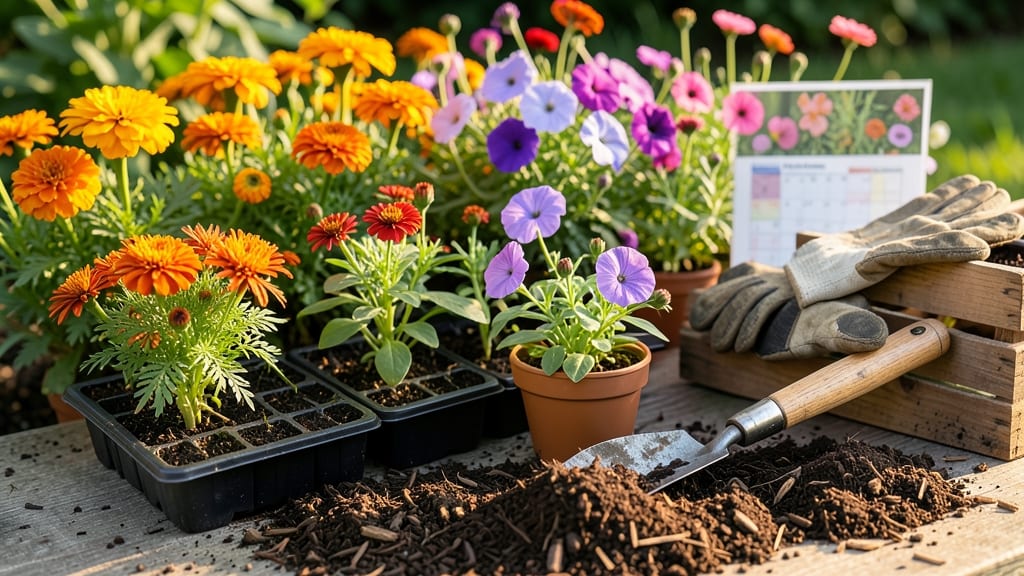
To plant annuals in Maryland, aim for March 15–May 15 in spring and August 1–September 30 in fall, aligning with frost-free windows and soil warmth.
Maryland gardeners know timing is everything—plant annuals too early, and frost will wipe them out; too late, and summer’s heat arrives before they bloom. Avoid costly mistakes with precise frost-free deadlines tailored to Maryland’s unique microclimates.
Whether you’re sowing marigolds 🌸 for summer color or petunias for fall blooms, the key is knowing your zone. Maryland’s 7a-7b climate means last frost typically hits around April 15, but microclimates like Baltimore or the Eastern Shore can shift that window by weeks.
Below, I break down the exact planting windows for cool-season and heat-loving annuals, plus how to adjust for unpredictable weather—so your garden thrives from spring to fall.
Maryland’s frost-free planting deadlines by Zone 6-7 (with last frost dates)
Maryland’s Zone 6-7 climate creates unique planting challenges—late frosts can linger into April, while heat waves may arrive as early as June. Understanding your specific microclimate (Baltimore’s urban heat vs. Western Maryland’s cooler valleys) is key to avoiding frost damage or stunted growth.
For most of Maryland, the last average frost date falls between April 15-30, but urban areas like Baltimore often see frost-free conditions 1-2 weeks earlier.
Warm-season annuals like marigolds and zinnias need soil temperatures above 60°F to thrive, while cool-season varieties such as pansies can handle light frosts. My rule of thumb? Wait until May 1 in rural areas and April 20 in cities like Baltimore before planting heat-loving annuals.
This ensures your petunias and geraniums get a head start before summer’s intensity peaks.
⚠️ CRITICAL TIP: Use a soil thermometer to confirm readiness—60°F+ soil is non-negotiable for warm-season annuals. In Western Maryland’s Zone 6a areas, push planting dates 5-7 days later than Eastern Shore regions due to cooler nights.
| Region | Last Avg. Frost | Safe Planting Window | Fall Planting Deadline | Notes |
|---|---|---|---|---|
| Baltimore City | April 15 | April 20 - May 10 | September 15 | Urban heat island effect |
| Frederick (Western MD) | April 25 | May 1 - May 15 | September 10 | Cooler nights, extend season |
| Eastern Shore (Zone 7b) | April 10 | April 15 - April 30 | September 20 | Warmer coastal microclimate |
| Hagerstown (Zone 6a) | May 5 | May 10 - May 25 | September 5 | Latest frost dates in MD |
For fall planting, Maryland’s first frost typically arrives between October 15-31, with Zone 6a areas freezing first. Aim to plant cool-season annuals like pansies and snapdragons by September 1 in Western Maryland and September 15 on the Eastern Shore.
These varieties handle light frosts and often bloom until Christmas with proper care.
My go-to annuals for Maryland’s climate include heat-tolerant zinnias (plant after May 10) and frost-resistant marigolds (safe until October). For containers, use petunias—they thrive in Baltimore’s urban heat but need daily watering during summer’s 90°F+ stretches. Always check your local Cooperative Extension for year-specific adjustments.
Pro microclimate hack: If your garden sits in a low-lying area, plant warm-season annuals 2 weeks later than the average date—cold air sinks, and these spots frost 10-14 days later than sunny slopes.
Conversely, south-facing walls can warm 5-10°F above ambient temps, letting you plant 2 weeks earlier near them.
For succession planting, stagger marigold and basil sowings every 2 weeks from May through July. This ensures continuous blooms or harvests, maximizing your garden’s seasonal productivity. In Zone 7b areas, you can even squeeze in a late-summer crop of cosmos by planting seeds in early August.
Remember: Frost dates are averages—not guarantees. Keep a frost cloth handy for late-May surprises, especially in Western Maryland’s valleys. And when in doubt, opt for heat-tolerant varieties like celosia or portulaca, which handle Maryland’s humid summers with ease.
🌱 For Baltimore gardeners, extend your season by 2-3 weeks using black plastic mulch—it warms soil 3-5°F faster than bare earth, letting you plant tomatoes and peppers (technically perennials but often treated as annuals) 10 days earlier. Just remove it before July 1 to prevent overheating.
Best annuals to plant in Maryland’s spring vs. fall (and why timing matters)
Maryland’s Zone 6-7 climate demands strategic planting to maximize blooms and harvests. Spring annuals like petunias and marigolds thrive when planted after the last frost (mid-April), while fall varieties such as pansies and kale need 8-10 weeks before the first frost (late October).
Timing isn’t just about avoiding frost—it’s about matching plants to Maryland’s humidity and temperature swings, which can stress annuals if planted at the wrong time.
For example, heat-loving zinnias and sunflowers planted in early May will outperform those sown in June, as they’ll establish roots before summer’s 90°F+ heat. Conversely, cool-season snapdragons planted in late summer risk bolting (premature flowering) from Maryland’s warm September nights.
The key? Succession planting and season-extending tools like row covers to squeeze every bloom out of your garden.
🌱
| Annual Type | Best Planting Window | Bloom/Harvest Time | Maryland-Specific Tips |
|---|---|---|---|
| Cool-Season Flowers | March 15–April 30 (spring) or August 15–September 15 (fall) | April–June (spring) or September–October (fall) | Use row covers for late spring/early fall to protect from light frosts. |
| Heat-Tolerant Flowers | May 1–June 15 (after last frost) | June–October | Mulch heavily to retain moisture during Maryland’s dry summer. |
| Cool-Season Vegetables | March 1–April 15 (spring) or August 1–September 1 | April–June (spring) or September–October (fall) | Start seeds indoors 6–8 weeks before last frost for early harvests. |
| Heat-Tolerant Vegetables | May 15–June 30 (after soil warms to 60°F) | July–September | Plant in raised beds to improve drainage in Maryland’s clay-heavy soil. |
| Herbs (e.g., Basil, Cilantro) | April 15–May 15 (spring) or August 1–September 15 (fall) | May–July (spring) or September–October (fall) | Basil bolts in heat—plant in partial shade in July–August. |
My go-to spring annuals for Maryland include petunias and geraniums, which handle our humid summers better than delicate impatiens. For fall, I swear by pansies and stocks—they bloom until hard frost and tolerate Maryland’s cool, damp autumns.
Pro tip: Succession plant heat-loving cosmos every 2 weeks from June to August to keep your garden in nonstop bloom.
Don’t forget microclimates! Gardens in Baltimore’s urban heat islands may need 2 weeks earlier planting than rural Western Maryland. Test soil temps with a soil thermometer—most annuals need 60°F+ soil to thrive.
For extended seasons, use floating row covers to protect spring/fall plantings from late frosts or early heatwaves.
Timing isn’t just about dates—it’s about reading Maryland’s weather patterns. For example, zinnias planted in early May will outperform those sown in June, as they’ll establish roots before summer’s 90°F+ heat.
Conversely, cool-season snapdragons planted in late summer risk bolting from Maryland’s warm September nights. The key? Succession planting and season-extending tools like row covers to squeeze every bloom out of your garden.
🌼