
Plants
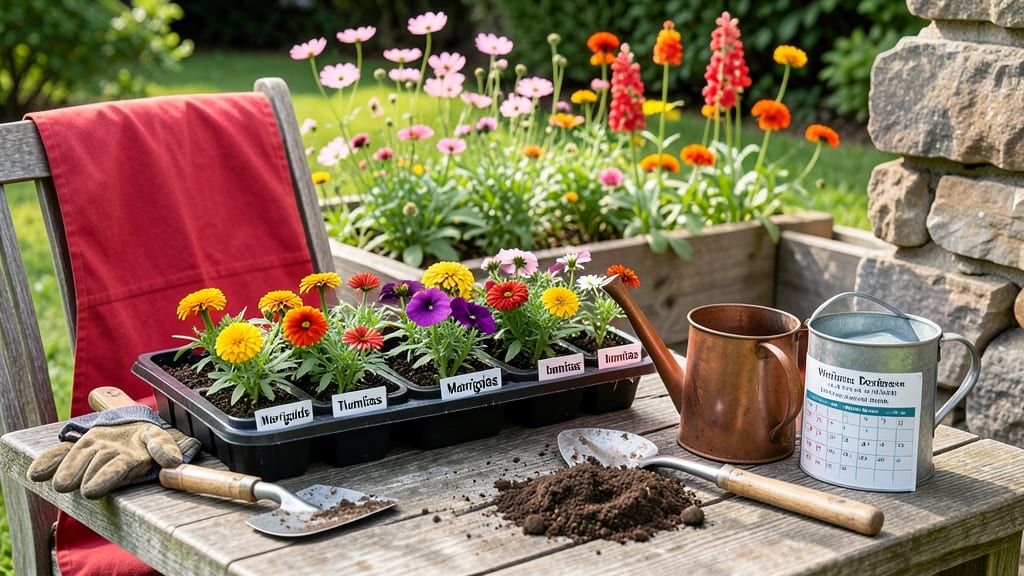
Planting annuals in Virginia at the right time means the difference between a garden bursting with 🌸 vibrant blooms and one that struggles to survive the region’s fickle frost dates.
If you’ve ever rushed to plant pansies in March only to watch them wilt under a late freeze—or waited too long to sow marigolds and missed the summer heat—you know timing is everything.
Virginia’s 6a-8a zones stretch from the Coastal Plain’s mild winters to the Mountains’ chilly springs, so a one-size-fits-all approach won’t cut it.
This guide breaks down the perfect planting windows by region, from the Piedmont’s frost-free mid-April to the Tidewater’s earlier March dates. Whether you’re sowing cool-season veggies like lettuce or heat-loving zinnias, we’ll cover when to start seeds, transplant seedlings, and even stretch your season with smart tricks.
By the end, you’ll know exactly when to plant for a garden that thrives from spring to fall—no guesswork, just flawless blooms and bountiful harvests.
Virginia’s last frost dates by region: critical planting windows for annuals
Virginia’s diverse climate—from the Coastal Plain to the Blue Ridge Mountains—means frost dates vary dramatically. In USDA zones 6b-8a, your last spring frost can arrive as early as March 15 in the Tidewater region or as late as April 30 in the mountains.
These dates determine whether your marigolds or basil will survive their first week in the ground.
For cool-season annuals like pansies or lettuce, you can plant 4-6 weeks before your region’s last frost—sometimes as early as February in the Coastal Plain.
But warm-season plants like tomatoes or petunias must wait until after the frost risk passes, usually mid-April to early May, depending on where you live.
Here’s how Virginia’s regions break down for last frost dates and ideal planting windows:
| Region | USDA Zone | Avg. Last Frost | Cool-Season Planting Window | Warm-Season Planting Window | Example Annuals |
|---|---|---|---|---|---|
| Coastal Plain (Tidewater) | 8a | March 15 | February 15 - March 15 | March 20 - April 15 | Pansies, Snapdragons, Basil, Okra |
| Piedmont (Richmond, Charlottesville) | 7a-7b | April 1 | March 1 - April 1 | April 15 - May 1 | Lettuce, Marigolds, Tomatoes, Zinnias |
| Blue Ridge (Roanoke, Blacksburg) | 6b-7a | April 15 | March 15 - April 15 | April 30 - May 10 | Petunias, Peppers, Impatiens, Kale |
| Valley & Ridge (Staunton, Harrisonburg) | 6b-7a | April 10 | March 10 - April 10 | April 25 - May 5 | Pansies, Coleus, Eggplant, Sunflowers |
| Mountains (Bristol, Abingdon) | 6b | April 30 | March 25 - April 25 | May 10 - May 20 | Marigolds, Basil, Okra, Sweet Potatoes |
In the Coastal Plain, where the climate is milder, you can start warm-season annuals like tomatoes as early as March 20.
But in the mountains, wait until May 10 to avoid late frosts that can devastate young seedlings. Succession planting is key—sow lettuce every 2-3 weeks in spring for a continuous harvest.
For fall planting, aim to sow cool-season annuals like kale or pansies by August 1 in the Coastal Plain and July 15 in the mountains, giving them 6-8 weeks to mature before the first frost (typically October 15-November 15).
Pro tip: Use row covers or cold frames to push spring planting 2-3 weeks earlier in colder regions. And always check the Virginia Cooperative Extension for real-time frost alerts—their local weather stations provide the most accurate data for your specific area.
Miss the last frost window? Don’t worry—heat-tolerant varieties like Mexican sunflowers or celosia can handle late starts, while shade-loving annuals like impatiens thrive in partial shade if summer arrives early.
Remember, soil temperature matters just as much as air temperature. Wait until the soil is at least 60°F for warm-season plants—a simple soil thermometer is your best friend. And if you’re unsure, start seeds indoors 6-8 weeks before your last frost date for a head start.
With these region-specific windows, your annuals will bloom like clockwork—no more frostbitten petunias or wilting basil! 🌸
How to extend your Virginia annual planting season with smart strategies
Virginia’s short growing season can feel like a race against time, but with the right strategies, you can push your annuals to thrive longer. Whether you're in Norfolk’s coastal warmth or Roanoke’s mountain chill, extending your planting windows means more blooms and harvests.
The key? Combining seasonal tools with plant selection that matches your microclimate.
Start by understanding your local frost dates—even if you’re extending the season, you’ll still need to work with Virginia’s 150-210 frost-free days. For example, Norfolk’s last frost typically arrives around March 15, while Roanoke’s lingers until April 15.
These dates dictate when you can safely plant cool-season annuals like pansies or lettuce without risking frost damage.
Use cold frames or row covers to start cool-season plants 4-6 weeks before last frost
Perfect for Norfolk’s Zone 8a—protect spinach or kale until mid-March for earlier harvests.
Plant heat-tolerant varieties like marigolds or zinnias in late May-June
These thrive in Roanoke’s Zone 6b summer heat, extending blooms until first frost.
Try succession planting every 2 weeks for continuous harvests
Sow bush beans or radishes in June-July to replace early crops before fall.
Use black plastic mulch to warm soil for warm-season crops
Lay mulch in April to plant tomatoes or peppers 2 weeks earlier in Piedmont zones.
For fall planting, focus on cool-season annuals like pansies or cabbage. In Norfolk, you can sow these as late as September 15, while Roanoke gardeners should aim for August 15 to avoid early frosts.
Pair this with row covers to shield tender plants from light frosts in October.
Don’t overlook container gardening—it’s a game-changer for urban gardeners or those with limited space. Move potted herbs or flowers indoors or to a sunroom when nights dip below 50°F. This lets you enjoy basil or geraniums well into November, even in Zone 6b.
Pro tip: Monitor soil temperatures with a thermometer. Most warm-season annuals need soil at 60°F+ to germinate, while cool-season types thrive below 75°F. Adjust your planting timeline based on these readings—especially in transitional months like April or October.