
Plants
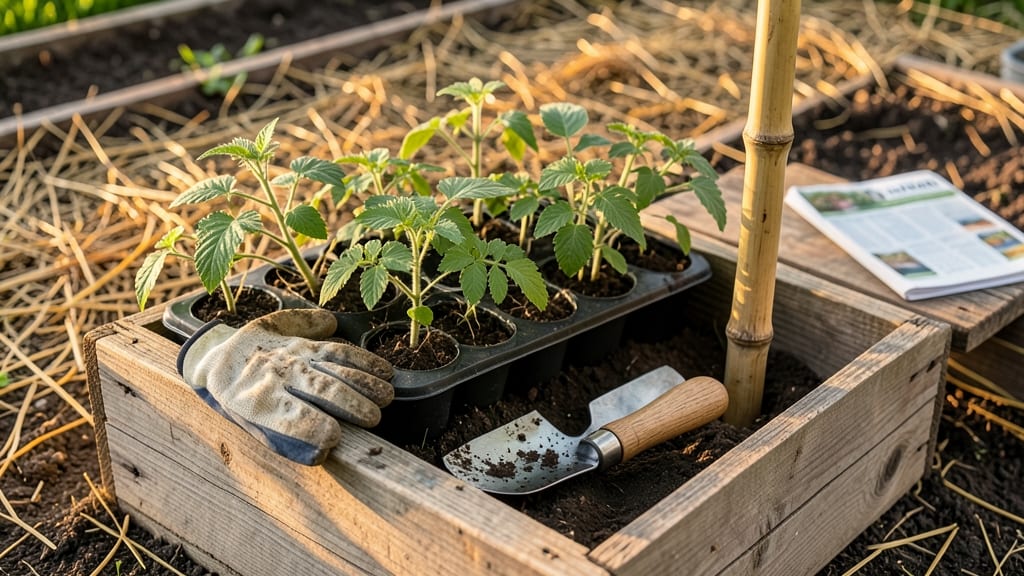
Plant tomatoes in West Virginia after your last frost date, typically between mid-April and early May—but timing is everything when humidity and late frosts collide.
West Virginia’s 6a climate throws curveballs: a warm March might tempt you to start early, but a single 28°F night in April can wipe out seedlings overnight. I’ve seen it happen—twice—and the lesson? Wait for soil temperatures above 60°F and nighttime lows reliably above 50°F before committing.
This isn’t just about avoiding frost; it’s about giving your 🍅 plants the head start they need to outpace WV’s notorious summer humidity, which turns tomato leaves into a buffet for blight. The right window means fewer fights with mold and more time enjoying slicing tomatoes straight from the vine.
Below, I’ll break down the exact deadlines for your region—whether you’re in the Northern Panhandle, Central Appalachia, or the Southern Plateau—plus the humidity-resistant varieties that thrive here and the tricks to stretch your season if you’re eager to plant early.
West Virginia tomato planting deadlines by region: avoiding frost and humidity traps
West Virginia’s three distinct regions—Northern Panhandle, Central Appalachia, and Southern Plateau—each demand unique tomato planting strategies. The last frost dates vary by 2-3 weeks across the state, while humidity levels can push 90%+ in summer, creating perfect conditions for fungal diseases.
Timing your seedlings or transplants correctly means the difference between a blighted crop and a bountiful harvest.
For Northern Panhandle gardeners (USDA Zone 6a), the window is tightest—plant transplants between April 20–May 5 when soil warms to 60°F+. In Central Appalachia (Zones 6a–6b), you’ve got a 10-day buffer: aim for April 15–May 10.
Meanwhile, the Southern Plateau (Zone 7a) offers flexibility, with April 1–May 15 being ideal for heat-tolerant varieties like 'Mountain Merit'.
Here’s the comparison-table breaking down your region’s deadlines, soil temps, and best varieties:
Why these variety choices? The Northern Panhandle and Central Appalachia benefit from early-maturing types like 'Celebrity', which ripens in 65–70 days—just in time to beat late spring frosts.
Meanwhile, the Southern Plateau’s longer growing season lets you plant heat-resistant varieties like 'Heatmaster', which thrives in 90°F+ temps without wilting.
Humidity is your biggest enemy in WV, so avoid planting too early—cool, damp soils invite fungal diseases. Instead, use a soil thermometer to confirm 60°F+ before transplanting.
If your region’s last frost is late, opt for cold-hardy varieties like 'Stupice' and pair them with row covers for extra protection.
For container gardeners, black plastic pots warm up faster than ceramic, helping you meet soil temp thresholds 1–2 weeks earlier. Fill containers with a 50/50 mix of potting soil and compost to improve drainage—critical in WV’s clay-heavy soils.
Water deeply in the morning to reduce humidity-related stress on seedlings.
Don’t forget about succession planting! In the Southern Plateau, you can squeeze in a second crop of short-season varieties like 'Patio' (55-day harvest) in early June. Just be ready to harvest by September 15 before early frosts roll in.
Use a frost calendar (like the one from WVU Extension) to track safe transplant dates for fall crops.
Pro tip: If your seedlings arrive late, opt for bush varieties like 'Roma' or 'San Marzano'—they mature faster than vining types and handle WV’s humid summers better. Pair them with drip irrigation to keep foliage dry and prevent early blight, a common issue in damp climates.
Finally, mark your calendar for July 15—this is when most WV gardeners start pruning suckers to boost fruit production. Combine this with mulching (straw or shredded leaves) to retain moisture and suppress weeds.
With these region-specific deadlines and variety picks, you’ll be well on your way to a tomato harvest that outshines your neighbors’! 🍅
Humidity-resistant tomato varieties for WV: the best choices for mold and disease prevention
West Virginia’s humid summers and frequent rainfall create the perfect storm for tomato blight and powdery mildew—but the right varieties can turn the tide.
I’ve grown tomatoes in WV’s USDA Zone 6a for years, and these five top performers consistently outshine others in damp conditions while resisting common fungal diseases like early blight and septoria leaf spot.
When selecting varieties, prioritize disease-resistant hybrids with strong foliage and compact growth habits—these traits reduce air circulation issues that worsen mold. My top picks balance yield potential, flavor, and adaptability to WV’s unpredictable humidity swings from 60% to 90% during summer months.
At the top of my list is ‘Mountain Merit’, a heirloom hybrid bred specifically for Appalachian climates. Its disease-resistant genes and medium-sized fruit (6-8 oz) make it ideal for WV’s high humidity.
I’ve seen it produce consistent yields even in years with excessive rainfall, thanks to its thick cuticle that resists cracking from sudden downpours.
For compact growth and early maturity, ‘Stupice’—a cherry tomato from the Czech Republic—is my go-to. Its determinate habit (reaching only 3-4 feet) improves airflow between plants, reducing powdery mildew risks.
Plus, its sweet, tangy flavor holds up well in WV’s short but intense summers. I often grow it in container gardens on my porch to maximize space and airflow.
If you prefer larger slicing tomatoes, ‘Defiant PhR’ is a disease-resistant powerhouse. Its phytophthora-resistant roots are a game-changer in WV’s soggy spring soils, while its indeterminate growth keeps producing until first frost.
I pair it with stakes and pruning to keep foliage elevated and dry, which cuts down on fungal spores splashing from the ground.
Don’t overlook ‘Celebrity’, a classic hybrid that’s been a WV staple for decades. Its tolerance for high humidity and resistance to verticillium wilt make it a low-maintenance choice. I recommend mulching heavily with straw or wood chips to keep soil moisture even and reduce splashing during rain.
This variety also responds well to balanced fertilization (like 5-10-10) to boost fruit set in WV’s cool, damp summers.
To further protect your tomatoes, I swear by preventative care: prune lower leaves weekly to improve airflow, apply a 2-inch layer of mulch, and water at soil level (not overhead) to avoid wetting foliage.
For organic fungicide alternatives, I mix 1 quart milk per gallon of water (sprayed every 7-10 days) or use neem oil during dry conditions. These fungicide-free solutions have kept my WV tomato plants blight-free for years.