
Trees
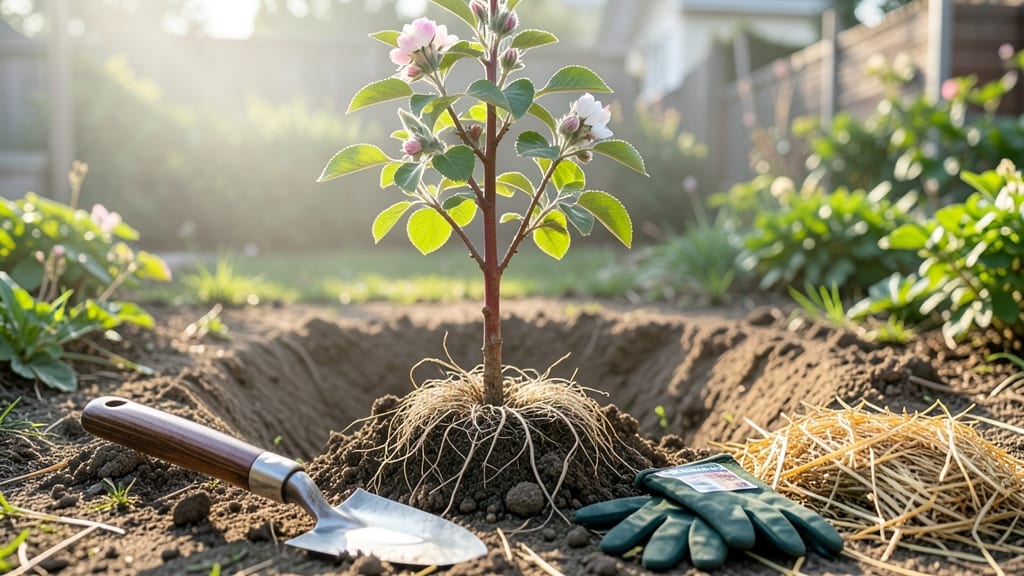
To plant apple trees in North Carolina, aim for late winter to early spring—February through April—when the soil is workable but frost isn’t a daily threat.
Get this wrong, and your 🍎 sapling might struggle to establish roots before summer heat hits, leaving it vulnerable to stress or even death. I’ve seen it happen more times than I’d like to admit.
North Carolina’s USDA Zones 6b-8a each have their own ideal window, with Zone 6b favoring early planting (February) to beat late frosts, while Zone 8a can wait until April without risking cold snaps.
Below, I break down the exact best months for your zone, how to prep soil for root success, and which local varieties thrive when planted at the right time.
Best planting months for apple trees in North Carolina by USDA Zone
North Carolina’s diverse USDA Zones 6b-8a create unique planting windows for apple trees, where timing directly impacts root establishment and fruit production. In Zone 6b (western mountains), frost risks linger longer, while Zone 8a (coastal plains) enjoys milder winters—both require precise planting strategies.
The ideal window spans late winter to early spring, when soil temperatures rise above 40°F but before buds swell, ensuring strong dormancy break.
For bare-root apple trees, the best months are February through April, aligning with soil thaw and pre-bloom dormancy. Container-grown trees offer flexibility, allowing planting until May, but Zone 6b gardeners should prioritize March to avoid late frosts.
Soil temperatures below 50°F delay root growth, so test with a soil thermometer—critical for rootstock compatibility and disease resistance in NC’s humid climate.
Here’s your zone-specific planting timeline, including frost risks and soil prep cues:
Zone 6b gardeners face the highest frost risk, so avoid planting after April 1 unless using heat-loving varieties like ‘Akane’ or ‘Gala’. In Zone 8a, milder winters allow January planting for container trees, but bare-root trees still thrive best in February. Always water deeply after planting—apple trees need 15–20 gallons to establish roots in NC’s clay-heavy soils.
Soil temperature is non-negotiable: Below 40°F, roots stall, and above 60°F, they’re vulnerable to rot.
Use a soil thermometer to confirm readiness—especially in Zone 7a, where sudden cold snaps can occur. Mulch with wood chips (3–4 inches) to insulate roots and retain moisture, a critical step for NC’s humid summers.
Container-grown trees offer flexibility, but bare-root trees demand urgency. Plant them within 24 hours of purchase, keeping roots moist with a bucket of water. For dwarf varieties, like ‘Columnar’ or ‘Semi-Dwarf’, timing is less critical, but standard trees (18–25 ft) need early spring planting to outpace pests like codling moths, which thrive in NC’s heat.
Pro Tip: Schedule planting 4–6 weeks before your last frost date—check the NC State Climate Office for your county’s average. In Zone 7b, this is mid-March; in Zone 8a, it’s early February. Avoid fall planting entirely—apple trees require dormancy to harden off, and late-season roots won’t survive NC’s first frost (Nov 1).
Common Mistake: Planting too late in Zone 7b (after April 15) risks spring frosts damaging new growth. Solution: Use frost cloth for young trees until buds swell. For Zone 8a, January planting is safe, but bare-root trees planted after March may struggle with summer heat stress—prioritize morning watering to prevent leaf scorch.
Final Checklist Before Planting: ☑️ Test soil pH (5.0–6.5) ☑️ Amend soil with compost (2–3 inches) ☑️ Water deeply after planting ☑️ Mulch with wood chips (3–4 inches) ☑️ Stake only if needed (avoid girdling) ☑️ Apply dormant oil in late winter to prevent pests
How apple variety affects planting timing in North Carolina
Not all apple varieties thrive in North Carolina’s climate, and planting timing varies dramatically based on chill-hour requirements and maturity timing. Early-season varieties like 'Akane' need cooler conditions to set fruit, while late-season 'Fuji' apples demand longer growing seasons.
Choosing the wrong variety—or planting at the wrong time—can lead to poor fruit set or even no harvest at all.
North Carolina’s USDA Zones 6b-8a experience 300-1,000 chill hours, but not all apple trees need that much. For example, 'Gala' apples require 400-600 chill hours, while 'Fuji' needs 800-1,000 chill hours. Planting a high-chill variety in Zone 8a without adequate winter chilling can stunt fruit production entirely.
| Variety | Chill Hours Needed | Best Planting Month | Maturity Timeline | NC Zone Fit |
|---|---|---|---|---|
| 'Akane' | 300-500 | February-March | Early August | Zones 6b-7b |
| 'Gala' | 400-600 | March-April | Mid-September | Zones 6b-8a |
| 'Fuji' | 800-1,000 | Late March-Early April | Late October | Zones 6b-7a |
| 'Honeycrisp' | 500-700 | March-April | Late September | Zones 6b-8a |
| 'Granny Smith' | 600-800 | Late March-April | October | Zones 6b-7b |
Early-season varieties like 'Akane' should be planted in February-March to ensure they receive enough winter chilling before blooming. These trees mature quickly, making them ideal for Zone 6b-7b, where winters are colder. If you plant 'Akane' too late, it may not set fruit properly due to insufficient chilling.
Mid-season varieties such as 'Gala' and 'Honeycrisp' thrive when planted in March-April, aligning with North Carolina’s last frost dates (typically mid-March in Zone 8a). These varieties have moderate chill requirements, making them versatile for Zones 6b-8a.
Planting them too early can expose young roots to winter heaving, while late planting risks poor establishment before summer heat arrives.
Late-season varieties like 'Fuji' and 'Granny Smith' demand longer growing seasons and should be planted in late March-April to maximize their 180-240 day maturity periods. In Zone 8a, where winters are milder, these varieties may struggle to accumulate enough chill hours, leading to reduced fruit production.
Always verify your local chill-hour data before selecting late-season varieties.
Pro tip: Pair high-chill varieties like 'Fuji' with winter-hardy rootstocks (e.g., 'M.9' or 'B.9') to improve cold tolerance. For early varieties, consider dwarf rootstocks like 'Budagovsky 9' to speed up maturity and fruit production in smaller spaces.