
Plants
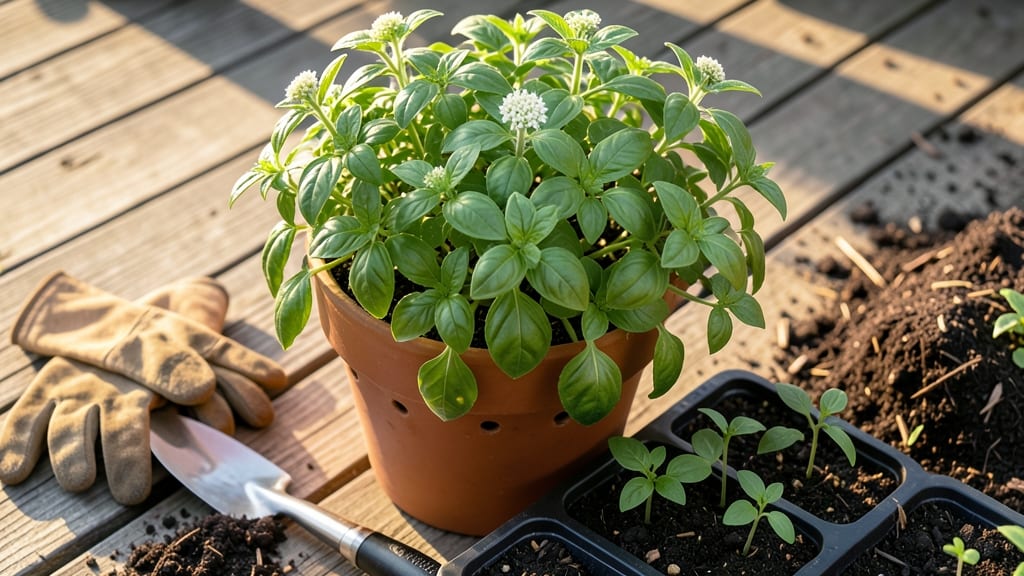
To plant basil in North Carolina at the perfect time, aim for after the last frost—typically between March 15 and April 30 in most zones.
North Carolina’s warm climate and varied growing zones make basil a perfect herb to cultivate—but timing is everything to avoid frost damage and ensure a thriving harvest. Get the exact frost-free deadlines by NC zone to plant basil for maximum flavor and yield.
If you miss the spring window, don’t worry—fall planting from August 1 to September 15 gives you a second chance. Coastal areas like Wilmington have earlier frost dates, while the Piedmont waits until late April.
In this guide, I’ll break down zone-specific deadlines, soil prep tips, and how to stretch your growing season with shade and companion plants. Ready to grow basil that tastes like a summer in the South?
NC frost-free deadlines for planting basil by growing Zone
North Carolina’s diverse growing zones—from the cooler mountains (Zone 5) to the warmer coastal plains (Zone 8)—create unique planting windows for basil. Getting the timing right means avoiding frost damage while maximizing your harvest.
I’ll break down the exact frost-free deadlines by zone, so you can plant basil whether you’re direct sowing seeds or transplanting seedlings.
Basil thrives in warm soil and air, so planting too early can stunt growth or even kill your plants. The key is waiting until the average last frost date has passed and soil temperatures consistently stay above 50°F (10°C).
In NC, this typically falls between mid-March and late April, but exact dates vary by zone.
| NC Zone | Last Frost Date | Ideal Planting Window | Fall Planting Window | Method Notes |
|---|---|---|---|---|
| Zone 5 (Mountains) | April 15 | April 20 - May 15 | August 15 - September 1 | Start indoors 6-8 weeks before last frost |
| Zone 6 (Piedmont) | April 1 | April 10 - May 1 | August 1 - August 15 | Direct sow or transplant after soil warms |
| Zone 7 (Coastal Plains) | March 15 | March 25 - April 15 | July 30 - August 10 | Early planting possible with row covers |
| Zone 8 (Coastal) | February 15 | March 1 - March 15 | July 15 - July 30 | Can plant year-round in microclimates |
For Zone 5 gardeners in the mountains, like those in Asheville, wait until April 20 to plant basil outdoors. The cooler nights and slower soil warming mean earlier plantings risk frost damage. I recommend starting seeds indoors in early March for a head start, then transplanting after the last frost.
Gardeners in Zone 6 (Piedmont), such as those in Raleigh or Greensboro, have a slightly earlier window. You can direct sow seeds or transplant seedlings as early as April 10, but always check soil temperatures—basil roots won’t thrive below 50°F (10°C).
A soil thermometer is my go-to tool for this!
If you’re in Zone 7 or 8, like in Fayetteville or Wilmington, you can push the envelope. Zone 7 gardeners can start as early as March 25, while Zone 8’s coastal climate allows planting by March 1.
However, even in warmer zones, a late frost can sneak in, so I always keep row covers handy for protection.
For a continuous harvest, consider a fall planting in late summer. In Zone 5, aim for August 15, while Zone 8 gardeners can extend the season until July 30.
Fall basil often produces sweeter leaves as temperatures cool, making it a great strategy for prolonging your harvest.
Whether you’re direct sowing or transplanting, soil temperature is your best guide. Basil seeds need soil at least 60°F (15°C) to germinate, while transplants tolerate slightly cooler soil. I’ve found that waiting an extra week for warmer soil prevents leggy, weak plants that struggle to establish.
Pro tip: Use black plastic mulch or straw mulch to warm the soil faster. This trick has helped me shave off days of waiting for ideal planting conditions, especially in cooler microclimates like valleys or higher elevations within a zone.
Remember, microclimates matter. A south-facing bed warms up faster than a north-facing one, and urban areas can be several degrees warmer than rural spots. Always scout your garden a few days before planting to check for frost pockets or heat sinks that might affect your basil’s success.
By following these zone-specific deadlines, you’ll give your basil the best start for a bold, flavorful harvest all season long. Happy planting! 🌱
How to extend basil’s growing season in north Carolina
North Carolina’s late spring frosts and summer heatwaves can cut basil’s growing season short—but with the right strategies, you can enjoy fresh leaves for months. I’ve tested these techniques in my Zone 7b garden and seen basil thrive from April through October.
The key is protecting your plants from temperature extremes and pests while keeping them productive.
Your first line of defense is season extension tools like row covers and shade cloth. These aren’t just for frost protection—they also shield basil from scorching afternoon sun in NC’s humid summers.
Pair these with companion planting, and you’ll create a microclimate that keeps your basil happy all season long. Let’s break down the exact steps I use to stretch my basil’s harvest.
- 🌱 Use frost blankets after April 15 for late frosts (cover at night, remove by 10 AM).
- 🌿 Install shade cloth (30-50%) when temps hit 90°F+ to prevent bolting.
- 🪴 Plant near tomatoes—they repel pests and share similar water needs.
- 💧 Water at soil level (not leaves) to avoid fungal diseases in NC’s humidity.
- ✂️ Prune regularly to encourage bushier growth and delay flowering.
For coastal NC gardens (Zones 8a-8b), focus on heat protection—evenings can drop quickly after hot days. I’ve had success with lightweight row covers during the day in July and August, which also deters spider mites and aphids.
In the Piedmont region (Zones 7a-7b), prioritize frost protection until May 10, then switch to shade strategies by June.
Don’t overlook container growing—it’s my go-to for extending the season. Move pots to protected porches or garages when nighttime temps dip below 50°F. I’ve kept basil growing until mid-November this way!
Just ensure containers have drainage holes and use well-draining potting mix to prevent root rot in NC’s rainy springs.
One of my favorite tricks is succession planting. Start a second batch of basil indoors in late July, then transplant outdoors in early September when daytime highs drop below 85°F.
This gives you fresh leaves through October’s first frost. Pair this with weekly harvesting (always cut above leaf pairs) to keep plants productive.
Remember, basil’s flavor peaks when grown in cool but sunny conditions. In NC’s climate, that means spring and fall are your sweet spots. With these strategies, you’ll enjoy homegrown basil for nearly half the year—far longer than the typical 2-3 month window! 🌿