
Plants
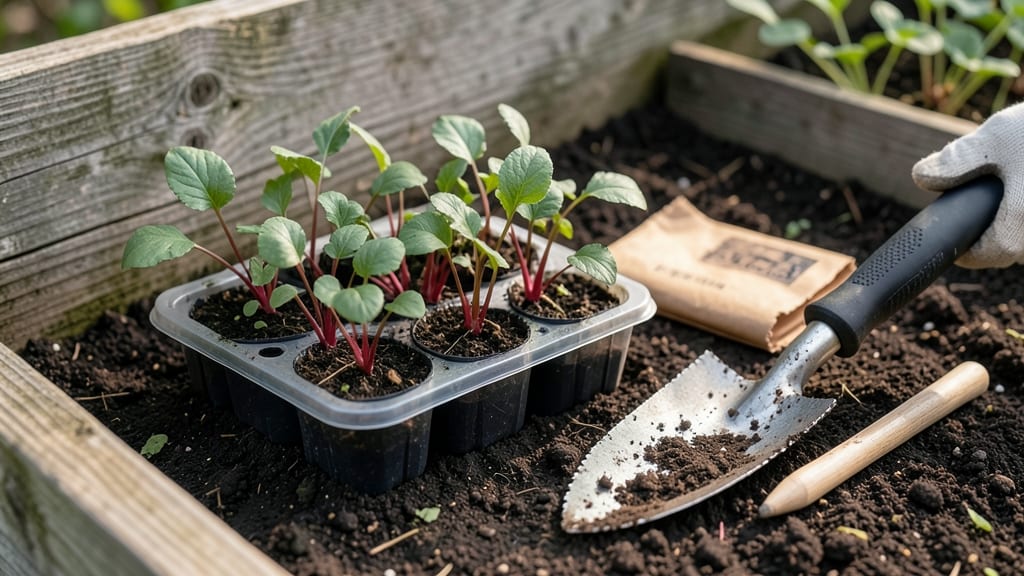
Planting beets in Arizona at the right time means the difference between a fast harvest and a wilted disappointment — aim for fall or early spring when temperatures stay mild.
Picture this: you’ve just pulled a bright red beet from your Phoenix garden in December, its earthy sweetness a perfect contrast to the desert chill. But miss the planting window, and your seedlings will bolt in the heat or rot in the monsoon downpours.
The key? Timing that avoids 100°F soil and plays to Arizona’s short, cool seasons.
In USDA Zone 9b, beets thrive when days are cool but nights stay above freezing. That means September to November for fall planting or February to March for a spring crop. Skip the summer months entirely — even shade won’t save your beets from the desert’s relentless sun.
Below, I’ll break down the exact weeks to plant, how to prep your soil for the region’s unique challenges, and the one trick that keeps your beets growing even when the thermometer hits 95°F. No guesswork, just a harvest-ready plan.
Best planting windows for beets in Arizona’s climate zones
Arizona’s diverse climate zones—from the low desert’s intense heat to the high desert’s cooler nights—create unique challenges for growing beets. Unlike cool-weather crops, beets bolt and turn woody when exposed to temperatures above 85°F.
The key is planting when soil temperatures stay below 75°F and days are shorter. In Phoenix, this means focusing on fall and early spring, while Flagstaff’s higher elevations allow for a slightly extended season.
Beets thrive in Arizona’s cooler months when daytime highs dip below 80°F and nights remain above 40°F. The low desert (USDA Zone 9b-10a) has the tightest window, while the high desert (Zone 7b) can accommodate a longer growing season.
Transitional zones like Prescott (Zone 7a) offer a middle ground. Below, I’ve broken down the optimal planting windows for each zone, including soil temperature thresholds and heat tolerance limits to maximize your harvest.
Soil temperature is your best friend when planting beets in Arizona. Seeds won’t germinate well in soil warmer than 80°F, and seedlings will struggle in direct summer sun. Use a soil thermometer to confirm conditions—ideal germination occurs between 55°F and 75°F. In the low desert, this typically means waiting until late August or early September for fall planting or February for spring. In the high desert, you can start as early as late July for fall crops.
Another critical factor is daylength. Beets are long-day plants, meaning they’ll bolt (flower prematurely) if exposed to more than 14 hours of daylight. This is why summer planting is a no-go in Arizona—days are long, and temperatures are scorching.
Instead, aim for fall or early spring when days shorten naturally. For example, in Tucson, September 15–October 15 is prime time, while in Flagstaff, you can stretch planting until mid-October.
In the low desert, where temperatures can soar past 100°F in summer, beets planted in May or June will bolt within weeks, producing bitter, stringy roots. Instead, focus on fall planting when temperatures drop below 90°F.
For example, seeding in early September gives you a harvest by December or January before the ground hardens. In Phoenix, aim for September 1–October
How to extend beet growing season in Arizona heat
Arizona’s 100°F+ summers can turn beet seedlings into crispy snacks before they even sprout, but with the right tricks, you can harvest beets year-round. The key? Heat-resistant varieties, strategic shade, and smart watering.
Even in Phoenix, you can enjoy sweet, tender beets by adapting your approach to the desert’s extreme conditions.
Start by choosing heat-tolerant beet varieties like ‘Detroit Dark Red’ or ‘Golden’, which handle 95°F+ temperatures better than standard types. These varieties also mature faster—50-60 days to harvest—so you can squeeze in multiple plantings. Pair them with succession planting every 2-3 weeks to keep a steady supply.
- 1 Use 30-50% shade cloth during peak summer months (June-August) to keep soil temps below 85°F. Stretch it 4-6 inches above seedlings to prevent bolting. Remove it by late September to allow full sun for winter harvests.