
Plants
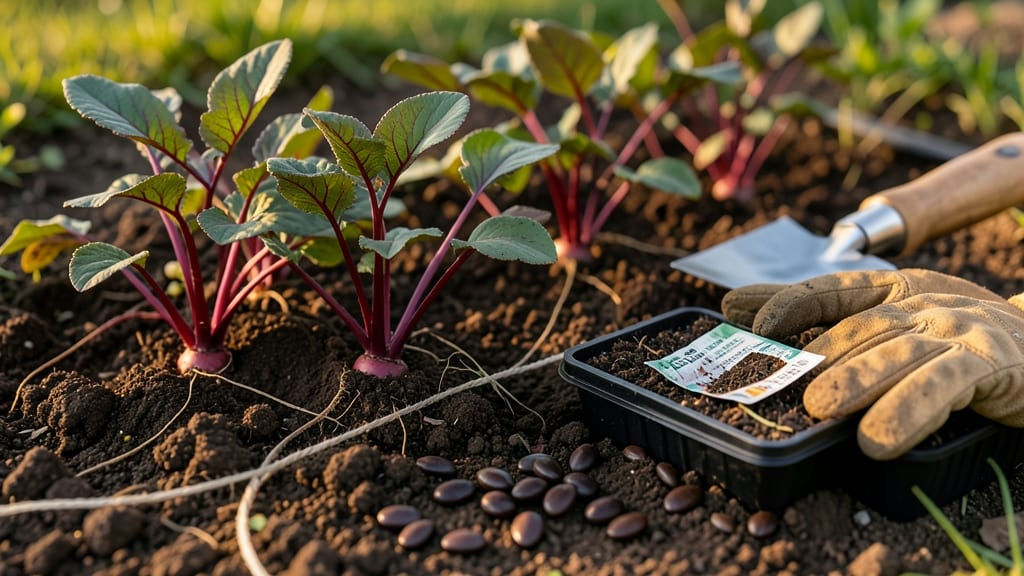
To plant beets in South Carolina, aim for February–March or August–September when soil temperatures hover around 50°F—any earlier risks frost damage, and late starts trigger bolting.
South Carolina’s warm winters and long growing season make beets a perfect crop—but timing is everything to avoid bolting or bitter roots. Plant too early, and frost ruins your harvest; too late, and the heat sends them flowering before you enjoy their sweetness.
In USDA Zone 8a, your best bet is seeding 4–6 weeks before the last frost (March 15) for spring harvests or 8–10 weeks before the first frost (November 15) for fall crops. This gives roots enough time to mature without stress.
Below, I’ll break down the exact planting windows by zone, soil prep tips, and how to keep your 🍠 beets thriving through SC’s humidity and heat—so you can enjoy a steady harvest from May through November.
South Carolina beet planting calendar by USDA Zone (7a-8b)
Timing your beet plantings in South Carolina is all about avoiding frost and heat stress. The state’s USDA Zones 7a-8b offer two prime windows for success: early spring and late summer.
In Zone 7a, expect last frost dates around March 15, while Zone 8b gardeners can start even earlier, often by late February. Miss these windows, and you risk bolting or stunted growth from extreme heat.
For baby beets and full-sized roots, soil temperatures matter most. Seeds need 45-50°F soil to germinate, while established plants thrive in 60-75°F. In Zone 8b, summer heat can push soil temps past 85°F, triggering bolting—so plan your fall plantings carefully.
Let’s break down the exact planting deadlines for each zone to maximize your harvest.
| Zone | First Frost | Last Frost | Spring Planting Window | Fall Planting Window | Soil Temp for Germination |
|---|---|---|---|---|---|
| 7a | November 15 | March 15 | February 15 - March 15 | August 1 - September 15 | 45-50°F |
| 7b | November 1 | March 1 | February 1 - March 10 | July 30 - September 10 | 45-50°F |
| 8a | October 31 | February 28 | January 15 - February 28 | July 15 - September 1 | 45-50°F |
| 8b | October 15 | February 15 | January 1 - February 15 | June 30 - August 31 | 45-50°F |
In Zone 7a, your spring planting should start by February 15 to ensure harvests before summer heat sets in. For Zone 8b, you can push it even earlier—January 1 is ideal for baby beets that mature quickly.
Remember, transplanting seedlings works too, but only after soil warms to 50°F and all frost risk has passed. In my garden, I’ve found that late February transplants in Zone 7a often outperform direct-sown seeds.
Summer plantings are trickier in South Carolina’s heat. For fall harvests, aim to sow seeds by August 1 in Zone 7a and July 15 in Zone 8b. This gives roots time to mature before first frost hits.
If you’re growing heat-tolerant varieties, you might extend this to September 1, but monitor soil temps—above 85°F will stress seedlings. I’ve had success with shade cloth during peak summer to buy extra time.
For continuous harvests, stagger plantings every 2-3 weeks in spring and 3-4 weeks in fall. This ensures a steady supply of tender roots instead of one big harvest.
In my Zone 7b garden, I plant Detroit Dark Red every 10 days from February to April, then repeat in August for fall. The key is consistent soil moisture—beets hate drying out, especially during root development.
One pro tip for SC gardeners: mulch heavily
How to avoid common beet planting mistakes in SC’s climate
South Carolina’s humid summers and unpredictable heat waves can turn your beet dreams into bitter disappointments if you’re not careful. Bolting from heat stress, soil pH imbalances, and overcrowding are the top culprits that sabotage beet harvests here.
I’ve learned the hard way—skipping these precautions means watching your plants bolt before they even form proper roots!
First, soil pH is non-negotiable for beets. They thrive in 6.0-7.0 pH, but SC’s sandy soils often lean acidic. Test your soil and amend with lime or wood ash if needed. I once planted beets in untested soil and ended up with stunted, purple-tinged roots—hardly worth the effort!
Here’s the critical mistake many SC gardeners make: planting too late in spring or too early in fall. The heat sends beets into bolting mode faster than you can say “harvest.”
Even worse, humidity and fungal diseases like leaf spot thrive in summer. That’s why I now use shade cloth (30-50%) during peak heat to buy extra time for root development.
🌡️ SC Heat Warning
Beets planted after April 15 risk bolting before harvest. In USDA Zone 8a, temperatures above 80°F trigger flowering. Use shade cloth or opt for fall plantings after August 1 to avoid this trap.
Overcrowding is another silent killer. Beets need 3-4 inches between plants to develop properly, but I’ve seen gardeners cram them too close, resulting in small, misshapen roots.
Thin seedlings early—this isn’t optional! For continuous harvests, I stagger plantings every 2 weeks in spring and fall, ensuring a steady supply without gaps.
Don’t underestimate the power of mulching. A 2-inch layer of straw or pine needles keeps soil moist, regulates temperature swings, and suppresses weeds. In my garden, mulched beets stay 10°F cooler during summer heat, delaying bolting by 2-3 weeks.
Plus, it reduces leaf spot by keeping foliage dry—a huge win in SC’s sticky summers!
Finally, companion planting can save your harvest. Pair beets with garlic, onions, or lettuce to deter pests like leaf miners. I also interplant with radishes, which mature quickly and mark rows for later beet succession.
Avoid planting near pole beans or tomatoes, as they compete for nutrients and attract shared pests.
With these SC-specific tweaks, you’ll avoid the most common beet-growing blunders and enjoy sweet, tender roots from spring through fall. Trust me, your taste buds—and your garden—will thank you! 🌱