
Plants
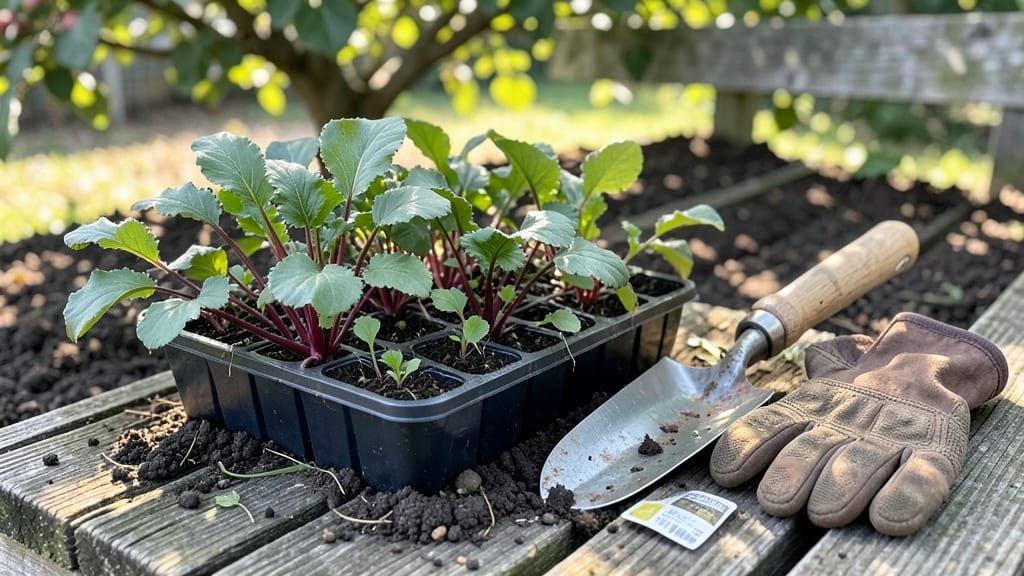
Planting beets in Kentucky for a 50-day harvest means timing seeds to beat the heat and avoid frost—something I learned the hard way after watching my first batch bolt in July.
Kentucky’s 6a-7a zones and unpredictable frost dates (mid-April to mid-October) turn beet planting into a balancing act. Too early, and seedlings rot; too late, and summer’s humidity sends them to seed before you can dig.
The key? Two windows: early spring (March-April) for spring harvests and late summer (July-August) for fall.
Below, I break down the exact frost-date math for your zone, soil prep tricks to keep roots cool, and a succession-planting schedule that guarantees fresh beets from May through October—no guesswork.
You’ll also find out why Detroit Dark Red thrives in Kentucky’s clay soil, how to spot bolting before it ruins your crop, and when to stop fertilizing to avoid woody roots.
Kentucky’s frost dates and beet planting windows for 50-Day harvests
Kentucky’s USDA zones 5-7 create a unique challenge for beet growers. The last spring frost typically arrives between March 15-30, while the first fall frost hits around October 15-30. Timing your 50-day beet harvests between these dates is key to avoiding both winter chill and summer heat stress.
Beets thrive in cool weather but bolt (go to seed) when temperatures exceed 80°F. Kentucky’s humid summers make this timing even more critical. Planting too early risks frost damage, while late planting may result in small, tough beets before frost arrives.
Here’s the frost-date math for Kentucky beet growers: count back 50 days from your average first fall frost (October 15) to determine your late-summer planting window. For spring, plant when soil temperatures reach 50°F—usually mid-March to early April.
🌱
| Planting Window | USDA Zone | Last Frost Date | Ideal Planting Month | Harvest Window |
|---|---|---|---|---|
| Early Spring | 5-7 | Mid-April | March-April | May-June |
| Late Summer | 5-7 | Mid-October | July-August | September-October |
| Succession Planting | All | N/A | Every 2-3 weeks | Spring-Fall |
For Zone 5 areas (like Northern Kentucky), focus on early April planting. Beets sown then will mature by mid-May, just before summer heat sets in. In Zone 7 (Western Kentucky), you can push planting to late March for spring harvests.
Your late-summer planting window is equally critical. Aim to sow seeds by mid-July to ensure harvests before the October frost. This gives you 50 days of growth before temperatures drop below 50°F, the threshold beets tolerate.
Use row covers or cold frames to extend your fall harvest window by 2-3 weeks. These tools protect beets from light frosts (28-32°F) and allow you to harvest into November in most of Kentucky.
Pro tip: Direct sow beet seeds instead of transplanting. Beets develop better when grown from seed, and they handle Kentucky’s clay-heavy soils better than many other vegetables. Start with 1/2-inch-deep planting and thin seedlings to 3-4 inches apart once they’re 2-3 inches tall.
🌿
Monitor your local Kentucky Mesonet or UK Agricultural Weather Center for real-time frost forecasts. These tools provide hyper-local data that can shift your planting window by 1-2 weeks compared to averages. For example, Eastern Kentucky’s higher elevations often experience later frosts than Western Kentucky’s river valleys.
If you miss the ideal windows, consider heat-tolerant varieties like ‘Cylindra’ or ‘Boltardy’. These varieties handle 85°F+ temperatures better than traditional types, giving you flexibility for late-spring or early-fall plantings.
How to adjust planting times for Kentucky’s microclimates and soil conditions
Kentucky’s diverse geography means your beet planting schedule should shift dramatically between urban Louisville and high-altitude Eastern Kentucky. Urban areas often experience heat islands that delay spring frost by 1-2 weeks, while mountain regions like Letcher County can see frost lingering until May 15.
Adjust your timing based on these microclimates to avoid bolting or stunted growth.
Soil type plays an equally critical role. Clay-heavy soils common in Western Kentucky drain poorly, causing root rot if planted too early. Meanwhile, loamy soils in the Bluegrass region warm faster in spring, allowing earlier sowing.
Test your soil’s drainage rate by digging a 12-inch hole—if water pools after 6 hours, amend with compost or sand before planting.
⚠️ Critical Timing Warning for Kentucky Beets
Urban areas: Wait until soil temps reach 50°F (typically mid-April) to plant—delaying prevents seed rot from lingering moisture. Mountain regions: Plant 2-3 weeks later (early May) to avoid late frosts that kill young seedlings.
Clay soils: Sow 10-14 days later than loamy soils to allow excess water to evaporate. Loamy soils: Plant 2 weeks earlier for faster germination.
For high-altitude areas like Pikeville, aim for late April to early May plantings. These regions experience shorter growing seasons, so focus on fast-maturing varieties like ‘Babybeat’ (45 days) or ‘Detroit Dark Red’ (50 days). Use row covers to extend the season by 2-3 weeks in both spring and fall.
In urban gardens, where summer heat arrives early, prioritize late summer plantings (July 15–August 1) for fall harvests. Choose heat-tolerant varieties like ‘Golden’ beets, which handle 90°F+ temperatures better than traditional red types. Mulch with straw or wood chips to keep roots 10°F cooler during peak summer.
Soil preparation is non-negotiable. Amend clay soils with 3 inches of compost and sand to improve drainage, while loamy soils benefit from aged manure for nitrogen. Test pH levels—beets thrive in 6.0–7.0, and adjust with lime or sulfur as needed.
Plant seeds ½ inch deep and thin to 3 inches apart to prevent competition.
Monitor soil moisture closely after planting. Clay soils require less frequent watering (every 10–14 days) to avoid soggy conditions, while loamy soils need weekly watering to maintain even moisture. Use a moisture meter to check 2-inch depth—aim for 60% moisture at all times.