
Plants
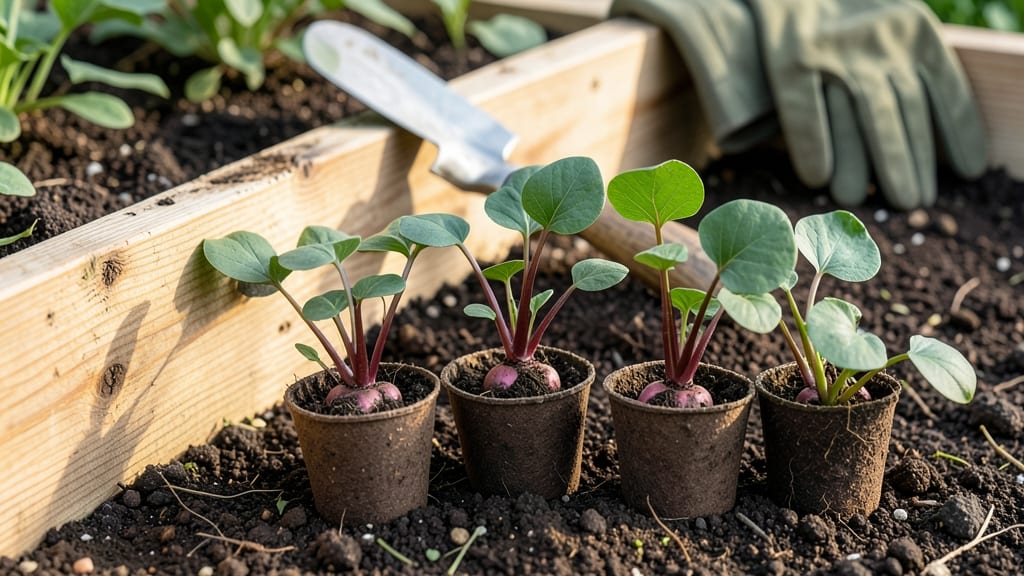
To plant beets in Southern California, aim for September–October or February–March when soil temps stay cool and moisture holds steady—skipping summer means avoiding bitter roots and wasted effort.
Growing beets in Southern California’s scorching summers isn’t just possible—it’s thriving with the right timing and tricks. Avoid the common mistake of planting too late, and you’ll miss out on crisp, sweet harvests year-round.
Fall-planted beets 🍠 thrive in the cooler coastal 9b-11 zones, while inland gardeners can stretch the season with shade cloth or mulch to keep roots tender through November–December harvests.
Below, I’ll break down the exact planting windows for your microclimate, the heat-tolerant varieties that won’t bolt, and how to keep soil moist enough without drowning them in the dry air.
Best planting times for beets in Southern California’s climate zones
Southern California’s diverse climate—from coastal breezes to inland heat—creates unique opportunities for growing beets. The key is timing: plant during cooler months to avoid bolting (flowering prematurely), which turns roots woody and bitter.
Coastal areas like Malibu or San Diego have milder winters, while inland valleys like Coachella or Riverside experience more extreme heat. I’ve grown Detroit Dark Red and Chioggia varieties here for years, and these heat-tolerant types thrive with the right schedule.
Fall planting is your best bet—September through October—when soil temperatures drop below 75°F and days grow shorter. This gives roots time to mature before winter rains. Spring planting works too, but aim for February to early March to beat the summer heat.
Avoid planting in May through August unless you’re using shade cloth or container gardening to protect seedlings from 90°F+ soil temps.
Soil temperature is your secret weapon. Beets germinate best in soil between 50°F and 70°F. Use a soil thermometer to check—if it’s above 75°F, wait or plant in shaded beds. I once planted Chioggia beets in late July under a 30% shade cloth and still got a harvest, but the roots were smaller. Patience pays off for sweeter, larger beets.
Here’s how coastal vs. inland planting windows differ. Coastal regions benefit from extended growing seasons—you can even squeeze in a late-winter planting in January for a spring harvest.
Inland areas should focus on fall planting and use mulch to retain moisture during dry spells. The comparison below breaks down the best times for each zone.
| Climate Zone | Best Planting Window | Ideal Varieties | Key Tip |
|---|---|---|---|
| Coastal (e.g., Santa Barbara, San Diego) | September–October (fall) OR February–March (spring) | 'Detroit Dark Red', 'Chioggia', 'Babybeat' | Use light shade cloth in summer for succession planting. |
| Inland (e.g., Riverside, Coachella) | September–October (fall) only; avoid spring | 'Golden', 'Luttee 24', 'Cylindra' | Mulch with straw to retain moisture in dry heat. |
| Desert (e.g., Palm Springs, Joshua Tree) | October–November (fall) only; use containers | 'Babybeat', 'Little Ball' | Plant in 5-gallon pots with drip irrigation. |
For fall planting, start seeds indoors 4–6 weeks before your target date to give seedlings a head start. I’ve had success with transplanting 4-week-old seedlings into prepared beds in early September.
Harden them off by placing them outdoors for 2–3 hours daily the week before transplanting. This reduces shock and speeds up establishment.
If you’re growing in containers, choose heat-tolerant varieties like 'Luttee 24' or 'Cylindra', which handle drier conditions better than traditional types. Use 5-gallon pots with well-draining soil and water deeply every 2–3 days in summer.
I’ve grown beets in containers on my balcony in San Diego all year by rotating them to avoid midday sun.
Succession planting is a game-changer for year-round harvests. In coastal areas, sow seeds every 2–3 weeks from September to November for a staggered harvest. Inland gardeners should limit succession to September and October only.
Thin seedlings to 2–3 inches apart once they’re 2 inches tall—this prevents competition and ensures larger roots.
Watch for bolting signs: yellowing leaves, elongated stems, or flowers. If you see these in spring or early summer, it’s too late to salvage the crop. To prevent bolting, use shade cloth (30–50%) or plant in partial shade during peak heat.
I’ve used white shade cloth over my raised beds in June and July to keep soil temps below 80°F.
Harvest beets when roots reach 1–3 inches in diameter—this ensures tender texture. Use a fork or trowel to loosen soil before pulling to avoid damaging roots. Store harvested beets in the fridge for 1–2 weeks or preserve them by pickling or roasting.
My favorite trick? Plant a second crop in late summer under shade cloth
Heat-tolerant beet varieties and how to extend their growing season
Southern California’s summer heat can turn beets bitter and cause them to bolt prematurely, but with the right heat-tolerant varieties and growing strategies, you can enjoy crisp, sweet harvests year-round.
The key is selecting varieties that thrive in 85°F+ temperatures and using techniques to keep roots cool and soil moist.
My top 5 heat-resistant beet varieties for Southern California gardens include 'Detroit Dark Red', 'Chioggia', 'Boltardy', 'Golden', and 'Babybeat'. These varieties are bred to handle extended heat exposure without sacrificing flavor or texture, making them perfect for our climate.
| Variety | Heat Tolerance | Days to Maturity | Best For |
|---|---|---|---|
| Detroit Dark Red | High (85°F+) | 55-60 days | Roasting, pickling |
| Chioggia | Moderate (75°F+) | 55-65 days | Salads, raw slices |
| Boltardy | Very High (90°F+) | 60-65 days | Hot climates |
| Golden | Moderate (75°F+) | 50-60 days | Quick harvests |
| Babybeat | High (80°F+) | 30-40 days | Succession planting |
To extend the growing season, focus on soil moisture retention and shade strategies. Use drip irrigation to deliver water directly to roots, keeping the soil consistently moist without wetting the leaves.
I’ve found that mulching with straw or wood chips helps maintain even soil temperatures and reduces water evaporation by up to 40%.
For peak summer months, provide light shade cloth (30-50% shade) to protect seedlings from intense afternoon sun. This simple trick prevents bolting and keeps roots tender. I plant my beets under dwarf fruit trees or use shade sails to create a microclimate that mimics cooler fall conditions.
Another pro tip is to harvest young—beets under 2 inches in diameter stay sweeter and more tender in heat. For continuous harvests, practice succession planting every 2-3 weeks from late summer through early fall. This ensures a steady supply of fresh beets even when temperatures climb.
With these heat-tolerant varieties and moisture hacks, you’ll enjoy homegrown beets from spring through fall without the bitterness or bolting that plagues many gardeners in Southern California.