
Trees
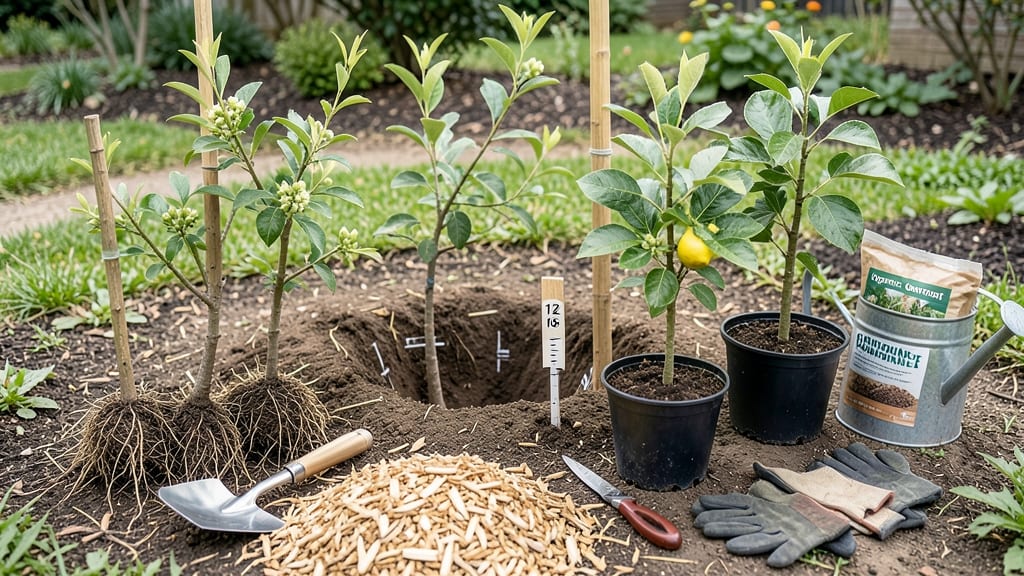
Planting fruit trees in California at the right time means stronger roots and a bountiful harvest—whether you're in coastal fog belts or desert foothills.
Get it wrong, and you risk weak growth or even failure. The key is understanding your microclimate: coastal areas thrive in early spring, while inland valleys need a slightly later start to avoid frost.
I’ll break down the exact months for your region, plus soil prep tips to set your tree up for success.
California’s diverse zones—from USDA 9b along the coast to 5b-7b inland—mean timing varies wildly. Citrus loves warmth, while stone fruits need cooler dormancy. I’ll cover the best windows for each, so you can plant with confidence and watch your 🍎 tree flourish.
Ready to plant? You’ll learn how to read your soil’s readiness, adjust for early/late seasons, and avoid common mistakes that stunt growth. Let’s get those roots established the right way.
California microclimate planting zones: coastal vs. desert vs. valley timing
California’s diverse climate creates three distinct planting zones for fruit trees: coastal, desert foothills, and inland valleys. Each requires different timing to avoid stress or death.
For example, avocados thrive in coastal Zone 10 but struggle in inland Zone 7 due to frost. Understanding these microclimates ensures stronger roots and better yields.
Coastal areas like San Francisco have mild winters and almost no frost, while inland valleys such as the Central Valley experience cold snaps. Desert foothills, like those near Palm Springs, have extreme heat and low humidity.
These differences mean planting peaches in April on the coast but waiting until February in inland zones.
For coastal regions, I recommend planting citrus trees in January or February when soil temperatures hover around 60°F. The mild climate allows roots to establish without frost risk.
In contrast, inland valleys like the Central Valley need peach trees planted in late February to early March to avoid spring frosts.
Desert foothills present unique challenges due to intense heat. Planting pomegranates in November takes advantage of cooler temperatures before summer arrives. Avoid planting in summer—heat stress can kill young trees within weeks. Always check soil moisture before planting in these areas.
Dormancy is critical for stone fruits like peaches and plums. Inland valleys require 300–700 chill hours (below 45°F) before planting. Coastal areas rarely meet this threshold, making low-chill varieties the best choice. For example, Elberta peaches thrive inland but fail on the coast.
Soil preparation varies by region. Coastal soils are often sandy and acidic, requiring compost and lime. Inland valleys have clay-heavy soils that need gypsum for drainage. Desert foothills benefit from organic matter to retain moisture.
Test your soil’s pH and nutrients before planting—avocados need acidic soil (pH 6.0–6.5), while citrus prefers slightly alkaline (pH 6.0–7.0).
Watering strategies must adapt to microclimates. Coastal areas need consistent moisture but avoid waterlogging. Inland valleys require deep watering every 10–14 days once established. Desert foothills demand drip irrigation to prevent evaporation. Always water deeply—shallow roots lead to weak trees.
Mulching is non-negotiable. Use 3–4 inches of organic mulch (wood chips or straw) to retain moisture and regulate soil temperature. Coastal areas benefit from mulch in summer to prevent heat stress, while inland valleys need it in winter to protect roots from frost.
Desert foothills require thick mulch layers to conserve water.
Fertilizing timing matters. Apply a balanced fertilizer (6-6-6) at planting, then again in early spring for coastal trees. Inland valleys need a second feeding in late spring to support fruit development. Avoid fertilizing in summer—it encourages new growth that can’t survive heat or drought.
Finally, monitor for pests and diseases specific to your microclimate. Coastal areas battle aphids and mites, while inland valleys face peach leaf curl. Desert foothills often struggle with scale insects.
Prune in late winter to remove diseased branches and improve airflow—coastal trees can be pruned year-round, but inland trees need winter pruning to avoid frost damage.
Signs your planting window is perfect (and how to adjust for early/late seasons)
Getting the timing right for planting fruit trees in California isn't just about checking a calendar—it's about reading your microclimate. The perfect window arrives when soil temperatures hit 60°F+ and rainfall patterns shift to support root growth.
In coastal areas like Santa Barbara, this might mean planting as early as February, while inland valleys like Fresno often wait until April to avoid late frosts.
Even experienced gardeners sometimes misjudge the window. For example, planting peach trees too early in Zone 7 (like the Sierra foothills) risks frost damage, while citrus trees planted too late in Zone 10 (coastal) may struggle with summer heat stress.
The key is balancing soil warmth, rainfall patterns, and local frost dates.
🌱 5 Signs Your Planting Window Is Perfect
- 🌡️ Soil temperature reaches 60°F+ at 6-inch depth (use a soil thermometer). Coastal areas hit this earlier than inland valleys.
- 🌧️ Rainfall slows but moisture remains in the top 12 inches of soil (critical for root establishment). Check with a trowel—soil should feel damp but not soggy.
- 🍂 Leaf drop in deciduous trees (like peach or apple) signals dormancy break. Plant bare-root trees when buds swell but before leaves emerge.
- ☀️ Daytime highs consistently stay above 55°F (use a minimum-maximum thermometer). Coastal fog belts may need 2-3 weeks longer than inland areas.
- 🌱 Local nurseries restock bare-root trees (a sure sign pros consider the window open). Ask when they recommend planting your specific variety.
If your region runs early (like coastal San Diego), extend the window by using shade cloth or mulch to protect young roots from heat stress. For late seasons (e.g., Sacramento Valley), accelerate root growth with deep watering and organic compost to warm the soil faster.
Pro tip: Mulch with straw or wood chips to insulate roots in cold snaps or retain moisture in dry spells.
In Zone 9b (like Los Angeles), I’ve seen avocado trees planted in March thrive with a 3-inch mulch layer, while Zone 7b (like Modesto) often waits until May for the same results.
Don’t overlook irrigation hacks like drip systems or soaker hoses to maintain consistent moisture without overwatering. In drought-prone areas, I’ve used cloche tunnels to create microclimates for early planting—just remove them once roots establish.
Remember: The perfect window isn’t one-size-fits-all. Use these signs as your guide, and adjust based on your specific microclimate. With the right timing, your fruit trees will reward you with stronger roots and bountiful harvests for years to come. 🌳