
Trees
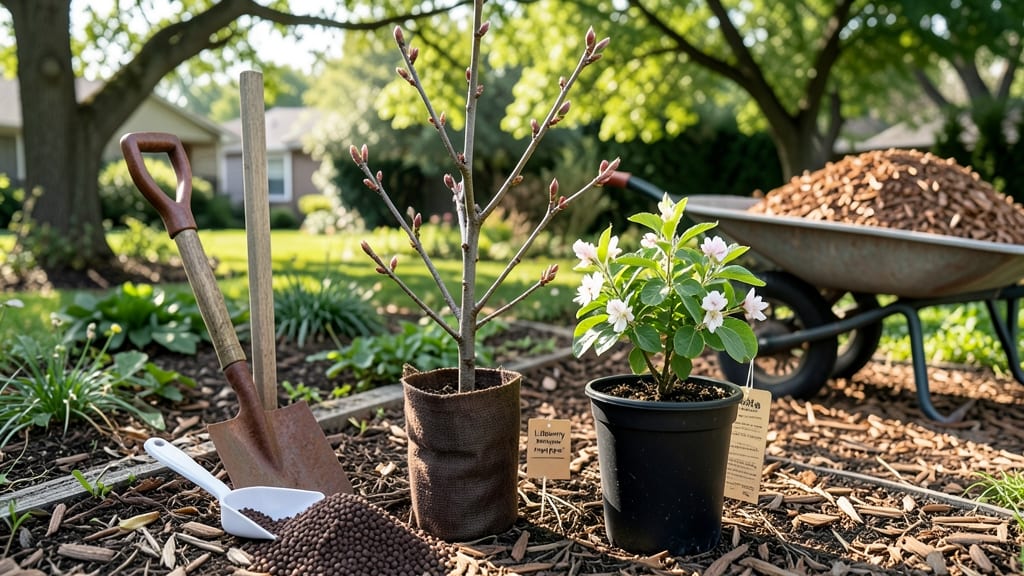
Planting fruit trees in Virginia at the right time ensures they thrive and bear fruit for decades 🍎 — aim for late winter to early spring or fall, when soil is workable but frost risks are low.
Miss that window, and you risk stunted growth or even death from late frosts. Virginia’s zones 6a-8a have wildly different frost dates, so timing isn’t just about the calendar—it’s about understanding your region’s last-frost triggers.
In this guide, you’ll learn how to read frost data, prep soil for healthy roots, and choose the best fruit varieties for your zone—whether you’re planting peaches, apples, or pears.
By the end, you’ll know exactly when to dig, how to protect young trees, and which local nurseries to trust for the best stock.
Virginia’s frost zones and best planting months by region
Virginia’s diverse climate—spanning USDA zones 5b to 8a—means your fruit tree’s success hinges on precise planting timing. The Piedmont region (zones 6b-7a) experiences earlier springs, while the Tidewater coast (zones 7b-8a) enjoys longer frost-free seasons.
The Mountains (zones 5b-6a) face colder winters, requiring earlier planting to avoid late frosts. Each zone demands a tailored approach to bare-root vs. containerized planting and soil prep.
For bare-root trees, the sweet spot is late winter to early spring (February–March) when soil thaws but buds haven’t swollen—critical for avoiding frost damage. Container-grown trees, however, can handle fall planting (October–November) in warmer zones (7b+), giving roots time to establish before winter.
My Piedmont orchard thrives with peach trees planted in March, while my friend in Norfolk’s zone 8a successfully adds citrus in November.
Here’s how Virginia’s last-frost dates break down by region—use these as your planting triggers:
- Mountains (5b-6a): Last frost March 1–15
- Piedmont (6b-7a): Last frost March 15–30
- Tidewater (7b-8a): Last frost April 1–15
| Region | USDA Zone | Best Planting Months | Last Frost Date | Tree Type |
|---|---|---|---|---|
| Mountains | 5b–6a | February–March (bare-root) | March 1–15 | Apples, Pears, Cherries |
| Piedmont | 6b–7a | March–April (bare-root) or October (container) | March 15–30 | Peaches, Plums, Blueberries |
| Tidewater | 7b–8a | April–May (bare-root) or November (container) | April 1–15 | Figs, Persimmons, Citrus |
In zone 5b (Mountains), I’ve learned to plant apple trees by March 1—any later risks late-spring frosts damaging blossoms. For peach trees in zone 7a (Piedmont), I aim for March 15 to align with bud break.
Meanwhile, my Tidewater friends plant figs in November, leveraging the mild climate to establish roots before winter.
Soil temperature is your second critical trigger. Use a soil thermometer—roots need 40°F+ soil to thrive.
In zone 6a, I wait until soil hits 45°F before planting, even if calendar dates suggest readiness. Containerized trees adapt better to cooler soils, making them ideal for fall planting in zones 7b+.
Pro tip: Mulch heavily after planting to insulate roots. I use 4–6 inches of wood chips in zone 6b, which helps retain moisture and moderates temperature swings.
For bare-root trees, soak roots in water + rooting hormone for 1–2 hours before planting to reduce transplant shock—a trick that’s saved my cherry trees from winter dieback.
Watch for local microclimates. A south-facing slope in zone 7a may warm up 2–3 weeks earlier than a north-facing yard. My peach tree on the slope blooms 10 days ahead of one planted in the shade.
Use NOAA’s frost maps and observe neighborhood blooms (e.g., red maple trees) to fine-tune your schedule.
If you miss the spring window, don’t despair—fall planting works in zones 7b+. I’ve successfully added blueberry bushes
How to use last-frost dates to time your planting perfectly
Timing your fruit tree planting in Virginia isn’t just about checking a calendar—it’s about reading the last-frost dates and understanding how they interact with your local microclimate. A late frost can kill tender bare-root trees, while planting too early in cooler zones risks stunted growth.
The key is using NOAA frost data alongside soil temperature checks to create a frost-free buffer that protects your investment.
Start by checking your USDA hardiness zone (Virginia ranges from 5b to 8a) and cross-reference it with NOAA’s last-frost averages. For example, Zone 6a (like the Shenandoah Valley) typically sees its last frost around March 15, while Zone 8a (Tidewater) may wait until April 1.
However, these are just averages—your actual last frost could be 2-3 weeks earlier or later.
Here’s how to turn frost dates into actionable planting windows:
- Step 1: Check NOAA’s last-frost date for your county (e.g., March 22 for Richmond). Add a 2-week buffer to account for late frosts.
- Step 2: Verify soil temperature—it should be 40°F+ at 6 inches deep. Use a soil thermometer for accuracy.
- Step 3: Watch for spring readiness signs: bud swell on trees, blooming crocuses, or dandelions in flower.
- Step 4: Consider the moon phase—planting during a waxing moon (increasing light) encourages root growth.
- Step 5: For bare-root trees, plant 4-6 weeks before your last frost date. Container-grown trees can wait until 2 weeks after.
For Virginia growers, this typically means planting bare-root peach trees in late February to early March in Zone 6a, while containerized apple trees in Zone 7b (like Charlottesville) can go in mid-to-late March.
Always dig a test hole to check soil drainage—waterlogged roots are just as deadly as frost damage.
Pro tip: Mark your planting date on a garden journal and note any unexpected frosts. Over time, you’ll refine your local frost buffer and create a foolproof planting schedule. The first year might feel like a gamble, but with these steps, your fruit trees will thrive from day one.
Remember, patience is key—rushing to plant too early can leave your trees vulnerable, while waiting too long might delay their establishment. Balance frost risk with soil warmth, and you’ll set your orchard up for success.