
Plants
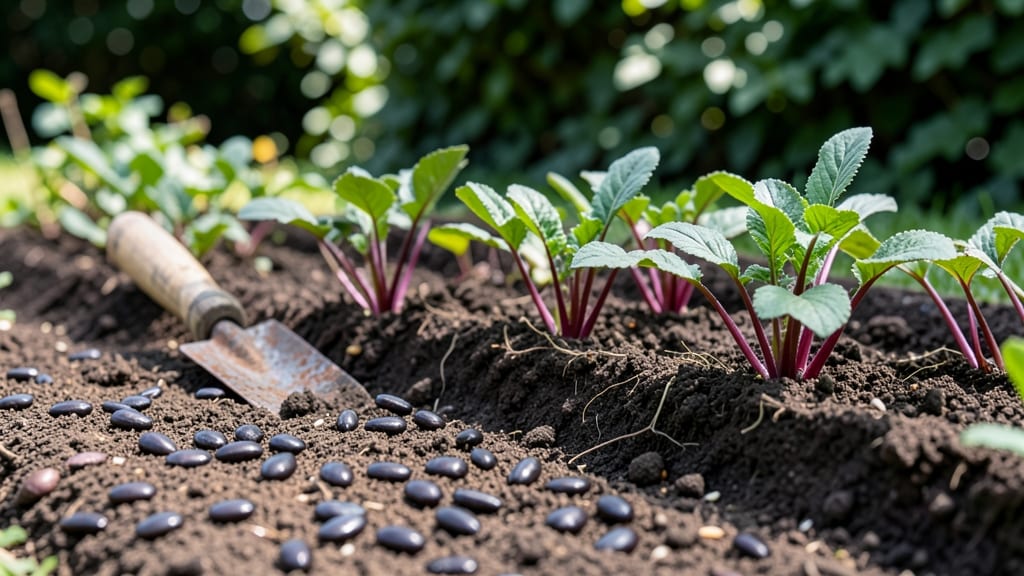
To plant beets in Zone 6b, aim for early spring (March–April) or late summer (July–August) when soil temperatures hit 40°F+ for fast germination.
Get the timing wrong, and you could end up with bitter, tough roots instead of the tender harvests you’re after. In Zone 6b, where frost lingers until mid-April and returns by mid-October, those two windows are your best shot at a reliable crop.
Below, I’ll break down the exact frost-free window, soil prep secrets, and how to stretch your harvest with succession planting—so you can enjoy fresh beets from June through November.
You’ll also learn how to spot the signs of slow germination, fix crusty soil, and avoid common mistakes that waste your seeds. Ready to grow?
Optimal planting dates for beets in Zone 6b: frost timing guide
Beets thrive in Zone 6b when planted during two key windows: early spring (March–April) and late summer (July–August). These timings align with soil temperatures above 40°F, which is critical for fast germination. Miss these windows, and you risk stunted growth or bolting—when beets flower prematurely and become tough.
In Zone 6b, the average last frost date is around April 15, while the first frost typically arrives by October 15. This gives you a 165-day frost-free window, perfect for two planting cycles. Understanding these dates helps you avoid frost damage and maximize your harvest.
Here’s your Zone 6b beet planting timeline with soil temperature thresholds and frost risks:
| Planting Window | Soil Temp Threshold | Frost Risk | Harvest Window |
|---|---|---|---|
| Early Spring (March–April) | 40°F+ (consistent) | Low (after last frost) | June–July |
| Late Summer (July–August) | 50°F+ (ideal for germination) | Moderate (before first frost) | October–November |
For early spring plantings, start seeds indoors 4–6 weeks before your last frost (around mid-February) or sow directly into warm soil once nighttime temperatures stay above 40°F. Use a seedling heat mat if your soil is slow to warm—beets won’t germinate in cold, damp conditions.
If you’re planting in late summer, aim for July 1–15 to give roots time to mature before frost. Avoid sowing after August 1, as beets planted too late may bolt or struggle to reach harvest size before cold weather sets in.
Use row covers if early frosts threaten your crop.
Pro tip: Test your soil temperature with a soil thermometer—beets need consistent warmth to germinate. If your soil is below 40°F, wait 1–2 weeks or use black plastic mulch to warm it faster. This small step can double your germination success rate!
Zone 6b gardeners often face microclimate variations, so adjust your planting dates based on your specific location. For example, areas near large bodies of water may have later frosts, while inland spots might experience earlier cold snaps. Always check your local frost calendar for precise dates.
Once your beets sprout, maintain consistent moisture—dry soil causes bitter roots. Water deeply once a week (or more in heatwaves) and mulch with straw or grass clippings to retain soil warmth and suppress weeds. This keeps your beets sweet and tender all season.
For a continuous harvest, stagger plantings every 2–3 weeks during both spring and summer windows. This ensures you always have fresh beets ready to pick, from June through November. Just remember: bolting is your enemy—avoid overcrowding and keep soil moist to prevent premature flowering.
By following these Zone 6b-specific dates and soil temperature guidelines, you’ll enjoy crisp, flavorful beets all season long—no bitter surprises here! 🌱
How to extend your beet harvest season in Zone 6b: succession planting tips
Beets thrive in Zone 6b's cooler seasons, but with succession planting, you can enjoy fresh harvests for months. The key is spacing out plantings every 3-4 weeks to avoid overcrowding and maximize yield. This method gives you 3-4 harvest cycles—spring, summer, and fall—while preventing bolting from heat stress.
Start by preparing your soil with compost and aged manure to ensure rich, loose beds. Beets hate competition, so maintain 3-4 inches between plants at maturity. Proper spacing also reduces disease risk and makes harvesting easier.
For continuous production, plan your first planting 4-6 weeks before your last frost date (around mid-March in Zone 6b).
When to Plant Beets in Zone 6b for Succession
- 🌱 First Planting: Early March (soil temps 40°F+) for spring harvests
- 🌿 Second Planting: Late April (after last frost) for early summer harvests
- 🌞 Third Planting: Early July (heat-tolerant varieties) for fall harvests
- 🍂 Fourth Planting: Mid-August (6-8 weeks before first frost) for late fall harvests
Choose heat-tolerant varieties like 'Detroit Dark Red' or 'Chioggia' for summer plantings to avoid bolting. Mulch heavily with straw or grass clippings to keep roots cool and soil moist. This is critical in Zone 6b's summer heat, which can cause beets to bolt prematurely.
Water deeply 1-2 inches per week, focusing on the roots rather than the leaves to prevent fungal diseases.
Companion planting boosts yields and deters pests. Pair beets with garlic, onions, or brassicas like kale to repel leaf miners. Avoid planting near pole beans or sunflowers, which compete for nutrients.
Rotate crops yearly to prevent soil-borne diseases. In my garden, I dedicate a 10x12-foot bed to beets, dividing it into four sections for staggered plantings.
Harvest beets when roots reach 1-3 inches in diameter for the sweetest flavor. Use a fork to loosen soil before pulling to avoid damaging the roots. In Zone 6b, your last harvest should occur 2-3 weeks before the first frost (around early October).
Store extra beets in sand or sawdust in a cool, dark place for winter use.
With these strategies, you’ll enjoy a steady supply of beets from late spring through fall. The secret lies in timing, spacing, and variety selection—three factors that transform a single planting into a year-round harvest. Happy gardening! 🌱