
Plants
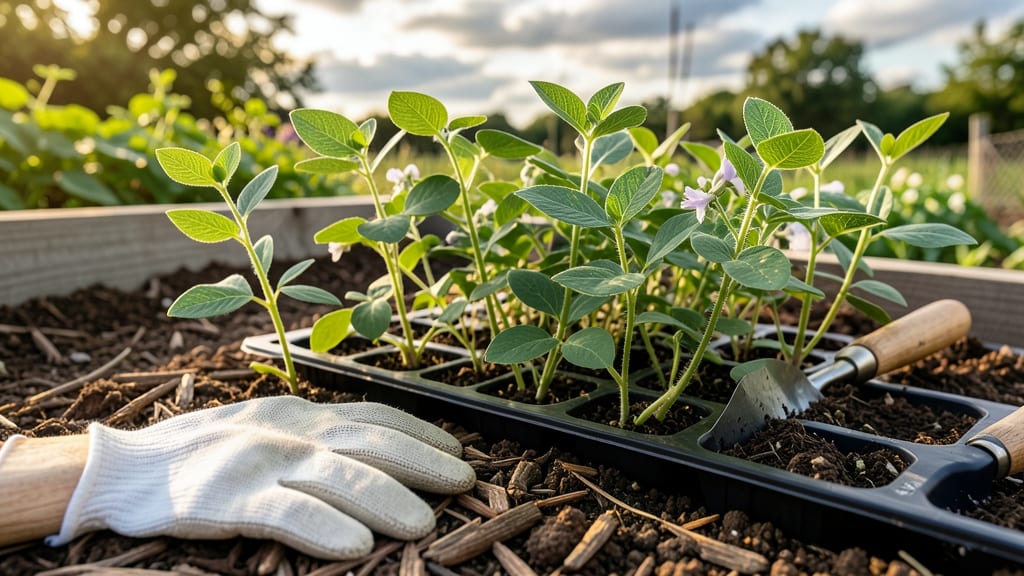
Planting fava beans in Zone 8 at the right time means the difference between a bountiful harvest and a wasted season — and the best windows are fall or early spring.
Fava beans 🌱 thrive in cool weather but struggle with summer heat, so timing is everything. Plant too late, and you’ll get bitter pods or no harvest at all. Get it right, though, and you’ll enjoy tender, flavorful beans by late winter or early spring.
In Zone 8, the sweet spot is late September through October for fall plantings or February to early March for spring. These months give your fava beans the 60-90 days they need to mature before summer’s heat sets in.
Below, I’ll break down the exact frost-free window, soil temperature tips, and how to adjust for coastal vs. inland microclimates so you never miss another harvest.
Optimal planting times for fava beans in Zone 8: avoiding summer heat
Fava beans are cool-season powerhouses that bolt and produce bitter pods when temperatures climb above 75°F. In Zone 8, where summers stay warm, timing is everything. Plant too early, and frost may hit; too late, and you’ll face heat stress.
The sweet spot? September-October for fall or January-February for spring plantings when soil temps sit between 45-65°F.
Zone 8’s frost-free window stretches roughly 240 days, but fava beans need cooler conditions to thrive. Fall plantings give you a head start, with harvests ready by late winter before summer heat arrives.
Spring plantings work too, but rush them, and you’ll miss the ideal 60-90 day growth window before pods turn bitter.
Here’s the critical comparison to help you decide:
| Planting Window | Ideal Soil Temp | Harvest Time | Key Advantage | Risk to Avoid |
|---|---|---|---|---|
| Early Fall (Sept-Oct) | 50-65°F | Feb-April | Longer growth window | Late frost damage |
| Late Winter (Jan-Feb) | 45-55°F | May-June | Avoids summer heat | Heat stress if delayed |
For fall plantings, aim for September 15-October 15 in most of Zone 8. Use a soil thermometer to confirm temps are below 70°F at planting.
In cooler microclimates (like higher elevations), you can push planting to early November, but avoid sowing after October 31 unless you’re using row covers to extend the season.
If you prefer spring plantings, start seeds indoors by January 15 and transplant outdoors by February 15. Direct-sow outdoors no later than March 1 to ensure pods mature before summer heat sets in.
In inland Zone 8, where heat arrives earlier, prioritize spring plantings over fall to avoid winter dormancy risks.
Extend your growing season with floating row covers or 30% shade cloth to protect plants from unexpected heat spikes. These tools can push your harvest window by 2-3 weeks, especially for late fall or early spring plantings. Just remove covers during daytime temps above 80°F to prevent overheating.
Monitor soil moisture closely during dry spells—fava beans need 1-1.5 inches of water weekly, but their roots rot in soggy soil. Mulch with straw or grass clippings to retain moisture and keep soil temps stable. Avoid overhead watering, which spreads fungal diseases like rust or powdery mildew.
Pro tip: Plant broad beans (a heat-tolerant fava variety) in late summer (August) if you’re desperate for a harvest. While they won’t perform as well, they handle 85°F soil temps better than traditional fava beans. Pair them with shade cloth for best results.
Remember, fava beans are sensitive to heat—once soil temps hit 75°F, growth slows, and pods turn bitter. Use this guide to time your plantings perfectly and enjoy sweet, tender pods all season long. Happy gardening!
How to adjust planting for Zone 8 microclimates: coastal vs. inland differences
Zone 8's microclimates can drastically alter your fava bean planting success. Coastal areas like San Diego or Savannah enjoy milder summers, while inland spots like Austin or Atlanta face brutal heat spikes. These differences mean your planting window and variety choices must adapt—or risk bitter pods and poor yields.
Coastal Zone 8 gardens benefit from cooler summers and higher humidity, extending your fall planting into early November. Inland areas, however, may need to shift to early fall (August-September) or late winter (January) plantings to avoid summer heat stress. Let’s break down the key adjustments for each scenario.
🌱 Zone 8 Microclimate Adjustments
- Plant Sept-Oct or Feb-Mar
- Use drought-tolerant varieties like 'Aquadulce'
- Soil stays moist longer due to humidity
- Plant Aug-Sept or Jan only
- Choose heat-resistant varieties like 'Hill'
- Mulch heavily to retain moisture
✅ Pro Tip: Elevation matters! Add 1-2°F cooler per 1,000 ft gained.
Elevation plays a hidden role in Zone 8 microclimates. If you’re gardening at 1,000 feet or higher, temperatures drop enough to push your planting window slightly later. For example, in Asheville, NC, you might plant fava beans in late September when inland lowlands would already be too hot. Always check your local frost dates and adjust accordingly.
For inland Zone 8 gardens, soil moisture retention becomes critical. Use organic mulch like straw or wood chips to lock in moisture and regulate soil temperature.
Drought-resistant varieties like 'Hill' or 'Early Bird' handle heat better than traditional types. Pair this with drip irrigation to avoid water stress during 100°F+ days.
Coastal gardeners have a longer window for fall plantings but must watch for salt spray near shorelines, which can harm young plants. Amend sandy coastal soil with compost to improve nutrient retention. Varieties like 'Aquadulce' thrive in these conditions, producing sweet pods even in milder summers.
Regardless of your microclimate, avoid planting fava beans when soil temperatures exceed 75°F. Use a soil thermometer to monitor conditions, and consider shade cloth for inland plantings in late summer. With these adjustments, you’ll turn Zone 8’s challenges into bountiful harvests.