
Plants
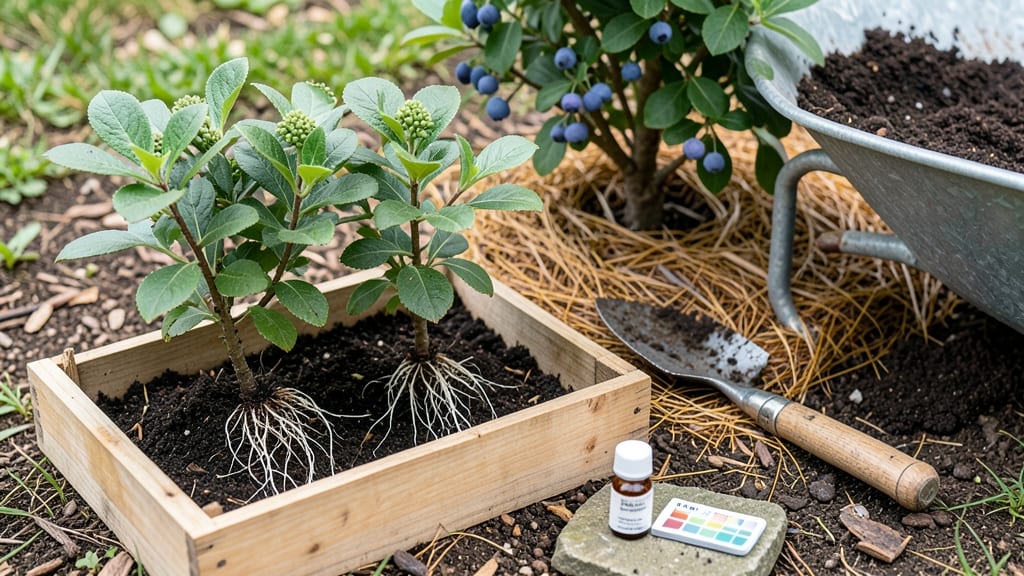
To plant blueberries in Arkansas, aim for late winter to early spring when soil temperatures hover just above 40°F—before buds burst but after the worst frost risk passes.
Arkansas gardeners know timing is everything—plant blueberries too early, and a late frost will wipe them out; too late, and your bushes won’t ripen before winter. But mastering the perfect window means the difference between a thriving 🫐 patch and years of frustration.
Most of Arkansas falls in USDA zones 7a-8b, where the last frost typically lingers around mid-March. That means your best bet is late February to early April, when soil is workable but still cool enough to protect delicate roots.
Below, I’ll break down exactly how to time your planting—whether you’re working with bare-root saplings or containerized bushes—and how to shield your young plants from Arkansas’s unpredictable spring weather.
Arkansas blueberry planting calendar: frost dates and hardiness zones
Arkansas spans USDA Hardiness Zones 6-8, creating a diverse climate where blueberry planting windows vary by region. In North Arkansas (Zones 6-7), colder winters and later springs demand precise timing, while the Delta (Zone 8) offers a longer growing season.
Understanding these differences helps you avoid frost damage and maximize fruit production.
Blueberries thrive when planted during their dormant season, typically late winter to early spring. For most of Arkansas, this means February through April, but your exact window depends on your last average frost date.
North Arkansas gardeners should aim for March 15-April 15, while Delta growers can plant as early as February 15-March 30.
Microclimates play a huge role in Arkansas. A hilltop location may experience frost weeks after a valley bottom, so always check local records. Urban areas often have warmer microclimates than rural zones, potentially extending your planting window by 2-3 weeks.
Here’s a quick reference for Arkansas’s blueberry planting zones and frost dates:
For Zone 6a gardeners in the Ozark Mountains, I recommend waiting until mid-March when soil temperatures reach 40°F. In Zone 8b areas like Little Rock, you can start planting as early as late February, but monitor soil moisture—dry spells can stress young plants.
Fall planting is not recommended in Arkansas due to unpredictable frosts. However, if you must plant in autumn, aim for September-October in the Delta, giving roots time to establish before winter. Always choose dwarf varieties like ‘Top Hat’ for easier management in smaller spaces.
Pro tip: Use a soil thermometer to confirm planting readiness. Blueberry roots need soil temps above 45°F for optimal growth. In cooler zones, consider container planting to extend your growing season and protect roots from temperature swings.
Local nurseries often stock bare-root blueberries in early spring, but containerized plants offer flexibility. If you miss the ideal window, containerized varieties can be planted up to June in the Delta, though yields may be reduced in the first year.
Remember: Arkansas’s humidity and heat can stress young plants. After planting, apply 2-3 inches of mulch to retain moisture and regulate soil temperature. This is especially critical in Zone 8, where summer heat arrives early.
🌱
Best months to plant blueberries in Arkansas: bare-root vs. containerized plants
Choosing the right time to plant blueberries in Arkansas depends on whether you're using bare-root or containerized plants. Each type has unique needs tied to soil temperatures and dormancy cycles.
For bare-root blueberries, the dormant season—late winter to early spring—is ideal because the plants are easier to handle and establish roots before active growth. In contrast, containerized plants offer flexibility, allowing you to plant them throughout the growing season, but timing still matters to avoid stress.
In Arkansas’s USDA Zones 6-8, the last average frost date falls around March 15 in most regions, but urban areas like Little Rock can experience frosts as late as April 1. Rural areas in the Ozarks may see earlier frost-free windows, sometimes by mid-February.
These variations mean you’ll need to adjust your planting timeline based on your specific microclimate. For bare-root plants, aim to get them in the ground 4-6 weeks before the last frost to give roots time to establish.
Bare-Root vs. Containerized Blueberry Planting
Bare-Root Plants
- ✅ Best for: Dormant season planting
- ✅ Cost-effective and widely available
- ✅ Easier to transport and handle
- ❌ Limited planting window (Feb-Apr)
- ❌ Requires immediate planting if roots dry out
Containerized Plants
- ✅ Extended planting window (Feb-Oct)
- ✅ Less root shock due to established roots
- ✅ Better for urban gardens (small spaces)
- ❌ Higher cost than bare-root
- ❌ Requires careful watering to avoid over/under-watering
For bare-root plants, focus on planting between February and early April. The soil temperature should ideally be above 40°F (4°C) to encourage root growth.
In northern Arkansas (Zone 6), this might mean waiting until late March, while southern Arkansas (Zone 8) can start as early as mid-February.
If you’re in an urban area with limited space, containerized plants are your best bet—they can be planted throughout the growing season, even as late as early October, as long as the soil stays warm enough for root establishment.
Rainfall patterns in Arkansas also play a role. Urban gardens often rely on irrigation, so containerized plants give you more control over moisture levels. In contrast, rural areas with well-draining soil may benefit from bare-root planting in early spring, when natural rainfall aligns with root growth.
Always check your local 10-day forecast before planting to avoid soggy soil conditions, which can suffocate roots and lead to rot.
If you’re planting bare-root blueberries, soak the roots in water for 1-2 hours before planting to rehydrate them. For containerized plants, remove the container and loosen the root ball gently to encourage outward growth.
Both types require well-amended, acidic soil (pH 4.5-5.5), so test your soil and adjust with peat moss or sulfur if needed. Mulch heavily around the base to retain moisture and regulate soil temperature, especially in urban heat islands where temperatures can spike unexpectedly.
Remember, blueberries are sensitive to frost, so avoid planting containerized bushes in late summer or fall if frost is forecasted within 6 weeks. Instead, opt for spring planting to give your bushes the best chance to establish before winter.
With the right timing and care, your Arkansas blueberry patch will thrive and reward you with juicy, homegrown berries for years to come. 🫐