
Plants
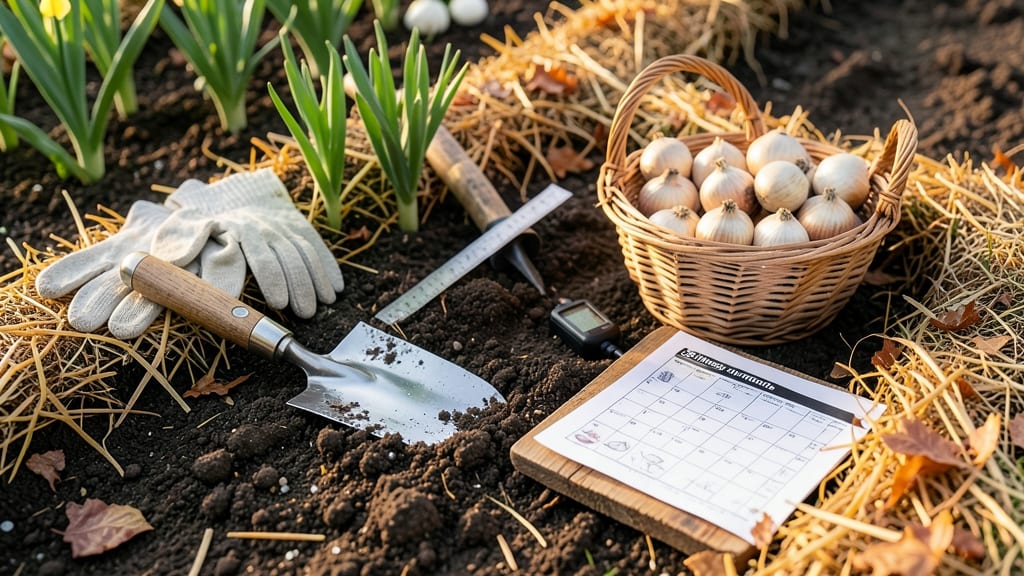
Planting bulbs in Zone 5b between September and November ensures they’ll root before the ground freezes and burst into vibrant spring blooms—but timing is the difference between a showstopper garden and a sad, half-hearted display.
Zone 5b gardeners know the struggle—planting too early means frost damage, while waiting too long risks weak blooms. Whether you’re working with tulips, daffodils, or alliums, the 4-6 week window before the first frost is your sweet spot for success.
This guide breaks down the exact month-by-month schedule for cold-hardy varieties, soil prep tips to boost root growth, and how to adjust for early freezes or unusually warm falls. No more guessing games—just confident planting and a garden that wakes up in full color.
You’ll also discover the 5 signs your bulbs are ready to go in the ground, plus the best varieties for Zone 5b’s unpredictable winters. Let’s get those 🌷 planted right!
Optimal planting timeline for Zone 5b bulbs by variety type
Mastering the planting timeline for Zone 5b bulbs means the difference between vibrant spring blooms and weak, stunted growth. In this region, where last frost dates typically hit mid-November and first frosts arrive by mid-May, timing is critical for varieties like tulips, daffodils, and crocus.
Plant too early, and frost can damage emerging roots; too late, and bulbs won't establish strong roots before winter sets in.
Most spring-flowering bulbs (like tulips and hyacinths) need to be planted in fall, while fall-flowering bulbs (such as crocus and snowdrops) go in late summer to early fall.
The key is soil temperature—aim for 40-50°F—and ensuring bulbs have 4-6 weeks to root before the ground freezes.
| Bulb Type | Planting Window | Soil Temp Trigger | Frost Risk Window | Best Months |
|---|---|---|---|---|
| Spring-Flowering (Tulips, Daffodils) | Fall (6-8 weeks before frost) | 40-50°F (5-10°C) | Mid-November (Zone 5b) | September-October |
| Fall-Flowering (Crocus, Snowdrops) | Late Summer-Early Fall | 50-60°F (10-15°C) | Late October (after summer heat) | August-September |
| Alliums (Ornamental Onions) | Fall (similar to tulips) | 45-55°F (7-13°C) | Mid-November | September-October |
| Hyacinths | Fall (early planting) | 40-50°F (5-10°C) | Early November | August-September |
| Late Bloomers (Fritillaria) | Fall (late planting) | 50-60°F (10-15°C) | Late October | October-November |
For spring-flowering bulbs, my ideal planting window is September through early October.
This gives them enough time to establish roots before the ground freezes, typically around mid-November in Zone 5b. Daffodils are particularly resilient and can handle colder soils, while tulips prefer slightly warmer conditions—aim for 50°F soil when planting them.
If you miss the fall window, don’t panic—some hardy varieties like crocus and snowdrops can even be planted in early spring (March-April), though they may bloom later.
However, spring-planted bulbs often produce weaker blooms because they lack the winter chilling period needed for optimal growth. Always prioritize fall planting for the best results.
One of my biggest mistakes was planting tulip bulbs in late October, thinking I had extra time. The unpredictable frost in Zone 5b caught me off guard, and the bulbs struggled to root before the ground froze.
Now, I mark my calendar for early October as the absolute deadline for most varieties. Use a soil thermometer to check temperatures—once it drops below 40°F, it’s time to stop planting.
For fall-flowering bulbs, such as crocus and snowdrops, the window is slightly earlier. Plant these in late August to early September to allow roots to establish before the summer heat fades.
These bulbs thrive in cooler soils and often bloom through late winter or early spring, adding early color to your garden. Their shorter rooting period means they’re less forgiving if planted too late.
Pro tip: If you’re unsure about your local frost dates, check the USDA Plant Hardiness Zone Map and consult your local cooperative extension service. They provide hyper-local frost forecasts that can save you from costly mistakes.
I also recommend planting a frost-sensitive variety, like hyacinths, a few weeks earlier than the recommended window to test your soil’s readiness.
After planting, mulch heavily with straw or leaves to insulate bulbs from temperature swings and protect them from rodents. In Zone 5b, where winters can be harsh, this extra layer can make the difference between
5 Signs you’re planting bulbs at the perfect time in Zone 5b
Timing your bulb planting in Zone 5b can feel like guessing, but nature gives clear signals. The 6-week window before ground freezes is critical—too early and frost zaps tender roots, too late and bulbs won’t establish before winter. I’ve learned to trust these 5 key indicators instead of dates alone.
First, check the soil temperature—it’s the most reliable gauge. When daytime temps hover between 40-50°F and nighttime dips below freezing, your bulbs are ready. This usually happens in late September to early October in Zone 5b, but don’t rely on the calendar.
A soil thermometer ($10 at garden centers) removes the guesswork.
Don’t overlook daylight hours—this is nature’s built-in timer. When days shrink to 10-12 hours of sunlight, most bulbs enter dormancy mode. I watch for shorter sunsets as a cue that tulips and daffodils are ready to hit the soil.
Pro tip: Set a reminder when daylight savings ends—this often aligns with ideal planting windows.
Local frost forecasts are your final safety net. Use the NOAA Frost Prediction Map to confirm 4-6 weeks remain until your first hard freeze.
In my Zone 5b garden, this usually lands in early October, but I’ve seen it shift 2 weeks earlier or later depending on weather patterns. When the forecast shows consistent nighttime temps below 32°F, it’s time to act.
Bulbs themselves send visual readiness cues. For garlic and chives, look for papery outer skins—this means they’ve matured enough to store energy for next year’s growth. With tulips and daffodils, gently squeeze the bulb: it should feel firm, not squishy.
Soft bulbs won’t survive winter’s chill. I also avoid planting pre-sprouted bulbs—those delicate shoots won’t tolerate transplanting.
Finally, trust local plant behavior. When mums bloom in my garden or maple leaves turn color, I know it’s time to dig. These plants share the same Zone 5b climate triggers as bulbs.
Pair these signs with a moisture check: soil should be cool but workable—like a damp sponge. If it’s still warm or bone-dry, wait a few days.