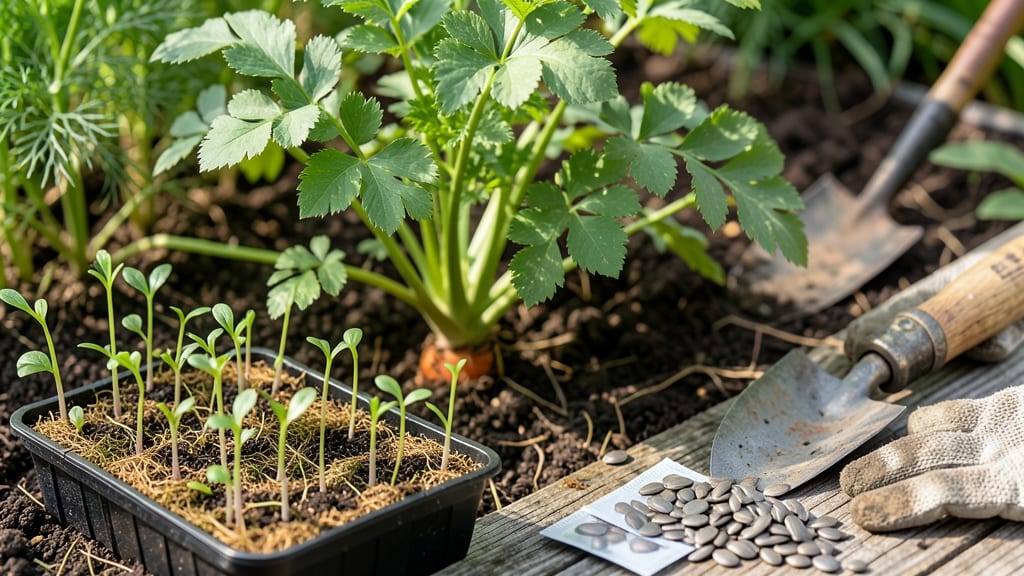
To plant carrots in Georgia, aim for early spring (February–March) and late summer (August–September) for the best harvests in zones 7b–8b.
Picture this: you’ve spent weeks prepping your soil, only to pull up bitter, forked roots because you planted at the wrong time. Georgia’s heat and humidity mean timing is everything—miss it, and your 🥕 crop turns woody or bolts before you can enjoy it.
Spring planting starts as soon as soil warms to 60°F, while fall sowings should happen 8–10 weeks before frost (around mid-August). Coastal regions can push it even later, but Piedmont and Mountain zones need to act faster.
Below, I’ll break down the exact frost-free deadlines by zone, soil prep tricks to prevent forking, and how to stretch your harvest from May through December—no bitter surprises included.
Jan
🌱
Feb
🥕
Mar
🥕
Apr
🌱
May
🌸
Jun
☀️
Jul
☀️
Aug
☀️
Sep
🍂
Oct
🍂
Nov
🍂
Dec
❄️
Georgia carrot planting calendar by USDA zone: exact dates for frost-free success
Georgia’s 7a-8b USDA zones offer a long growing season perfect for carrots, but timing is critical to avoid frost damage or summer bolting. In Zone 7a (northwest mountains), your last frost typically arrives March 15, while Zone 8b (coastal areas) enjoys frost-free conditions until November 15.
This zone variation means your planting schedule should shift based on elevation and microclimates.
For spring plantings, focus on February-March when soil temperatures reach 50-60°F. In summer, direct seeding becomes tricky due to heat, but August-September offers ideal conditions for fall harvests. The key is staggered sowing—plant every 2-3 weeks—to ensure continuous harvests and prevent overcrowding.
Soil preparation is equally important. Georgia’s clay-heavy soils often cause forked roots, so amend with compost and sand to improve drainage. Aim for loose, well-draining soil with a pH of 6.0-7.0. A simple soil test before planting will save you from future headaches.
Here’s your zone-by-zone planting calendar, including frost dates, ideal soil temps, and harvest windows:
| USDA Zone |
Last Frost |
First Frost |
Spring Planting |
Summer Planting |
Fall Planting |
Harvest Window |
| 7a (Northwest Mountains) |
March 15 |
November 1 |
Feb 15 - Mar 15 |
N/A (Too hot) |
Aug 1 - Sep 15 |
May-June, Oct-Nov |
| 7b (Piedmont) |
March 1 |
November 10 |
Feb 1 - Mar 30 |
N/A |
Jul 15 - Sep 1 |
Apr-June, Sep-Nov |
| 8a (Central GA) |
February 15 |
November 20 |
Jan 15 - Apr 15 |
N/A |
Jul 1 - Sep 10 |
Mar-June, Oct-Dec |
| 8b (Coastal GA) |
February 1 |
November
How to extend your carrot harvest in Georgia: succession planting tips for year-round growing
Georgia’s long growing season gives you the perfect opportunity to enjoy fresh carrots year-round—but only if you use succession planting. By spacing out your plantings every 2-3 weeks, you can avoid the common pitfalls of bolting (flowering too early) and ensure a steady supply of sweet, crisp roots.
The key is understanding Georgia’s microclimates and adjusting your schedule accordingly.
In cooler zones (7a-7b), like the North Georgia mountains, focus on spring and fall plantings to dodge summer’s intense heat. Meanwhile, warmer zones (8a-8b) in the Coastal Plain can extend harvests into early winter.
The trick? Stagger your sowing and use shade cloth during peak summer months to keep soil temps cool and prevent premature flowering.
Before diving into your planting schedule, prep your soil with compost and coarse sand to break up Georgia’s often-clay-heavy dirt. Carrots need loose soil to grow straight and avoid forking. Add a 1-inch layer of mulch after planting to retain moisture and suppress weeds—critical in Georgia’s humid summers.
🌱 Georgia Carrot Succession Planting Guide
- Spring Plantings: Start in late January (Coastal Plain) or February (mountains). Sow every 2-3 weeks until mid-April for a continuous harvest through summer.
- Summer Protection: Use 30-50% shade cloth from June-August to lower soil temps by 10-15°F and prevent bolting. Water deeply in the morning to avoid fungal issues.
- Fall Plantings: Begin in mid-August (Coastal Plain) or early September (mountains). Continue sowing every 2-3 weeks until early October for winter harvests.
- Companion Plants: Pair carrots with rosemary, leeks, or onions to deter pests like carrot rust fly. Avoid planting near dill or fennel, which can cross-pollinate and cause bolting.
- Soil Prep Trick: Mix 1 part sand into your planting rows to prevent forking in Georgia’s dense clay soils. Replenish mulch every 4-6 weeks to maintain moisture.
For summer plantings, choose heat-tolerant varieties like ‘Danvers Half Long’ or ‘Nantes’. These hold up better in Georgia’s 90°F+ temps than delicate heirlooms. If you’re planting in July or August, always use shade cloth and water daily to keep the soil moist but not soggy.
Harvest your carrots when the tops are 4-6 inches tall and the shoulders are ½-inch thick. In Georgia’s mild winters, you can even harvest through December if you planted in late summer.
To extend storage, pull carrots before hard frosts and cure them in a cool, dark place for 24 hours before storing in the fridge.
By following this succession planting schedule, you’ll enjoy homegrown carrots for 8+ months—from early spring through late fall. The secret? Stay consistent with your plantings, protect your crops from Georgia’s heat, and keep your soil loose and fertile. Happy gardening! 🥕
★★★★★4.7(3 reviews)
|