
Plants
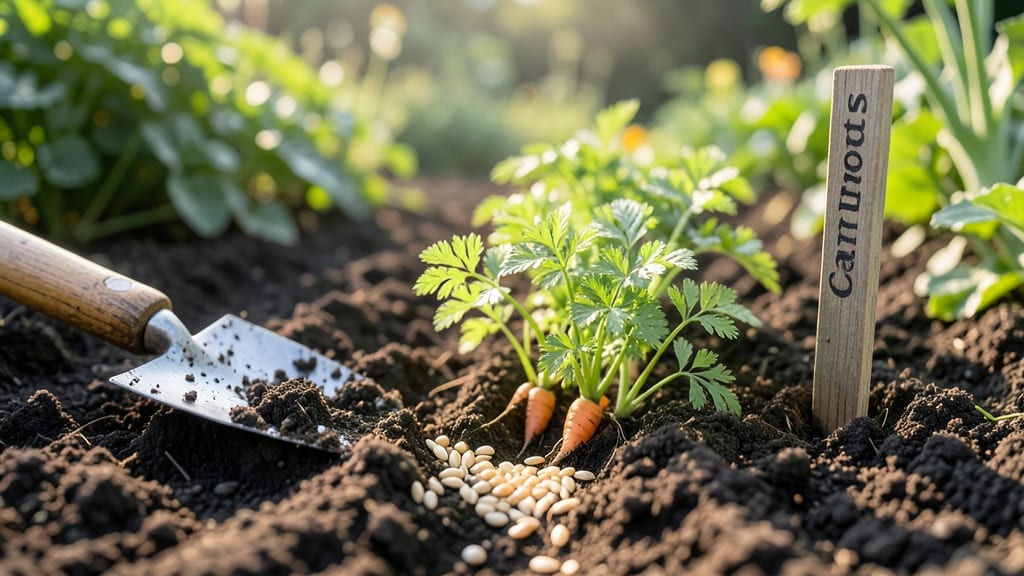
To plant carrots in Zone 6a, aim for early spring (March to April) or late summer (July to August) when soil temps hit 50°F—any earlier risks frost damage, and later sows lead to woody roots.
Picture this: you’ve prepped the soil, sown your seeds, and just as the 🥕 sprouts peek through, a late frost hits. Or worse, you plant in June, and by harvest time, your carrots taste like sawdust. Timing is the difference between a crisp, sweet harvest and a garden disaster.
Zone 6a’s short growing season means you’ve got a narrow window—about 165 frost-free days—to get it right. Plant too early, and seedlings bolt; too late, and summer heat turns roots tough.
The key? Start seeds indoors 4-6 weeks before your last frost (around April 15), then transplant or direct-sow once the soil warms.
Below, I’ll break down the exact planting calendar for Zone 6a, soil prep tricks to avoid forking, and how to stretch your harvest with succession planting—so you’re pulling perfectly sized carrots from August through October.
Best planting windows for carrots in Zone 6A: spring vs fall strategies
Carrots thrive in Zone 6A’s cool seasons, but timing is critical to avoid frost damage or woody roots. The last average frost date in Zone 6A is typically April 15, while the first frost arrives around October 15.
This leaves a narrow window for perfect harvests—60-70 days of frost-free growth for most varieties.
For spring planting, start seeds indoors 4-6 weeks before your last frost date or sow directly in well-drained soil when temperatures reach 50°F (10°C). In Zone 6A, this usually means late March to early April.
Choose early-maturing varieties like 'Early Nantes' or 'Paris Market' to ensure harvests before summer heat sets in.
Soil temperature is your best guide—carrot seeds need soil temps above 50°F (10°C) to germinate. Use a soil thermometer to confirm readiness before sowing. Cold soil slows germination and invites rot, while warm soil (above 80°F/27°C) causes bolting or bitter roots.
Here’s your Zone 6A planting timeline at a glance:
Fall planting in Zone 6A is equally rewarding if timed correctly. Sow seeds mid-July to early August for a late-season harvest before winter sets in. Choose cold-hardy varieties like 'Danvers' or 'Chantenay' that tolerate light frosts.
Aim to harvest before hard frosts (28°F/-2°C) or use row covers to extend the season.
For succession planting, stagger sowings every 2–3 weeks in spring and 3–4 weeks in fall. This ensures a continuous harvest and prevents overcrowding. Thin seedlings to 2–3 inches apart once they’re 2 inches tall—this reduces competition and encourages straight roots.
Watch for soil compaction in Zone 6A’s clay-heavy soils, which causes forked carrots. Amend beds with compost or sand before planting, and keep soil loose and moist during growth. Mulch with straw or grass clippings to retain moisture and suppress weeds, which compete for nutrients.
If you miss the optimal windows, don’t despair! Plant shade-tolerant varieties like 'Rainbow' in partial shade during peak summer, or use shade cloth (30–50%) to protect seedlings from intense sun. Just remember: carrots hate heat—soil temps above 80°F (27°C) will turn them bitter and stunted.
Pro tip: Mark your planting dates on a garden calendar and note soil temps each year—Zone 6A’s climate varies, and microclimates (like south-facing beds) can shift your ideal windows by 1–2 weeks. With these strategies, you’ll enjoy crisp, homegrown carrots from summer to fall—no store-bought competition needed!
How to extend your carrot harvest season in Zone 6A
Zone 6A’s short growing season can feel like a race against time for carrot lovers—but with the right strategies, you can enjoy fresh harvests from spring to fall. The key is beating summer bolting (when heat triggers flowering) and protecting tender roots from early frost.
By layering planting windows and using simple protective tools, I’ve stretched my carrot harvests by 3-4 months each year. Let’s break down the proven techniques that work in my garden.
First, succession planting is your secret weapon. Instead of one massive planting, sow seeds every 2-3 weeks from late April through early July. This staggered approach ensures a steady supply while preventing overcrowding.
For example, my first batch goes in when soil hits 50°F, and I continue until mid-July—just before the hottest stretch. Pair this with shade cloth (30-40% shade) during peak summer to lower soil temps by 10-15°F and delay bolting.
🌱 5 Proven Techniques to Extend Your Carrot Harvest
- Succession Planting: Sow every 2 weeks from April-July for continuous harvests.
- Shade Cloth: Use 30-40% shade in July-August to prevent bolting.
- Cold Frames: Extend fall harvests by 4-6 weeks with low-cost protective covers.
- Companion Planting: Pair with onions/leeks to repel pests and lettuce for shared shade.
- Winter Mulching: Cover beds with 6 inches of straw after first frost for spring harvests.
For fall harvests, don’t stop planting after July! My last batch goes in early August, chosen for 60-day varieties like ‘Paris Market’ or ‘Little Finger’. These mature before hard frosts hit in mid-October.
To shield them, I use low-cost cold frames (plywood + plastic sheeting) that raise soil temps by 5-10°F. Even better, pair carrots with winter-hardy lettuce—the lettuce provides shade while the carrots stay sweet longer.
Companion planting is another game-changer. I always interplant carrots with onions or leeks, which deter the carrot rust fly (a major pest). The onions also improve flavor, giving my harvests that sweeter, more tender quality.
For shade-loving companions, try bush beans or radishes—they grow quickly and mark carrot rows without competing for space.
When frost finally arrives, don’t toss those beds! After the first light freeze (around October 15 in Zone 6A), I cover carrot beds with 6 inches of straw and a layer of cardboard to block moisture.
This insulation lets me harvest through December in mild winters. For even later harvests, I use row covers (floating fabric tunnels) that trap heat and prevent freezing.
With these techniques, my Zone 6A garden now produces carrots from June through December—far beyond the traditional 2-month window. The secret? Overlapping planting windows, protective barriers, and smart companion choices. Start with just one method this season, and you’ll taste the difference in your harvest timeline!