
Plants
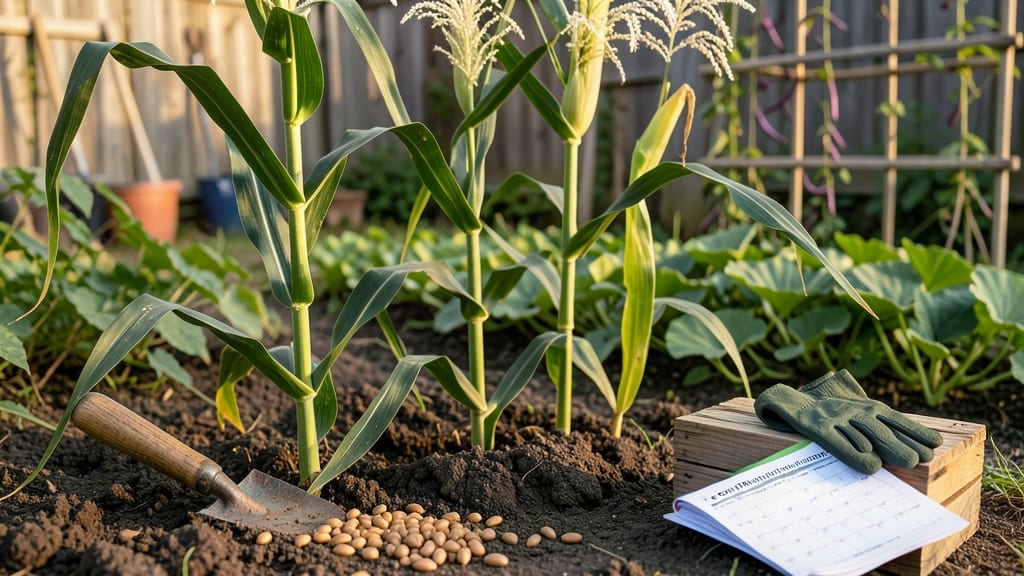
Plant corn in Idaho when soil temperatures hit 60–65°F and the last frost has passed—typically mid-April to early May, depending on your region.
Idaho’s unpredictable climate—from early spring frosts to scorching summers—can make or break your corn harvest. Plant too early, and frost will kill seedlings; too late, and you’ll miss the sweet spot for peak yield.
Most Idaho gardeners rely on USDA Zone 4–7 guidelines, but microclimates like the high desert or Snake River Valley shift planting windows by 2–4 weeks. Early varieties (like ‘Golden Bantam’) thrive in cooler zones, while heat-tolerant hybrids (such as ‘Pioneer 39T23’) work better in southern Idaho.
Below, I’ll break down frost-free dates by region, soil temperature triggers, and how to pick the right corn variety for your Idaho zone—so you can grow taller, sweeter ears without the guesswork.
Idaho’s frost-free dates by region: critical planting windows
Idaho’s diverse geography creates three distinct frost-free zones—West, East, and Mountain regions—each with unique planting windows for corn. Understanding these last frost dates is critical because corn seedlings can’t survive below 50°F, and even light frosts after planting will stunt growth or kill young plants.
Microclimates like river valleys (e.g., Snake River Plain) and high desert areas (e.g., Twin Falls) can shift planting timelines by 2-4 weeks compared to mountainous regions. For example, Boise’s urban heat island effect often means earlier frost-free dates than nearby rural areas.
Below is a region-specific breakdown of Idaho’s frost-free windows, adjusted for corn’s sensitivity to cold. These dates align with USDA Plant Hardiness Zones 3-7 across the state, with Zone 4 being the most common for corn cultivation.
The Mountain regions (e.g., Coeur d’Alene, Sandpoint) have the shortest growing seasons, with last frosts often lingering into mid-June. In contrast, the West (Boise, Nampa) and East (Pocatello, Idaho Falls) typically see frost-free conditions by late April to early May, giving corn a longer window to mature.
| Region | USDA Zone | Avg. Last Frost | Planting Window | Notes |
|---|---|---|---|---|
| West (Boise, Nampa) | Zone 6-7 | April 25–May 10 | May 1–May 15 | Urban heat islands delay frost; use early varieties. |
| East (Pocatello, Idaho Falls) | Zone 5-6 | May 1–May 15 | May 15–May 30 | High desert areas may plant 1 week later. |
| Mountain (Coeur d’Alene, Sandpoint) | Zone 4-5 | June 1–June 15 | June 1–June 10 | Short season; prioritize fast-maturing varieties (85–90 days). |
| Southwest (Twin Falls, Burley) | Zone 6 | April 15–April 30 | April 25–May 10 | Early frost risk; use row covers for protection. |
For maximum yield, align your corn variety’s days-to-maturity with your region’s first frost date. For example, in Zone 6 (Boise), a 90-day variety planted May 15 should finish by early August, avoiding late-summer frosts.
In Zone 4 (Mountain regions), stick to 85-day varieties planted by June 1.
Use local weather stations or the Idaho State University Extension’s frost maps to fine-tune your timeline. For instance, the Snake River Plain often sees 3-5°F warmer soil temps than nearby hillsides, allowing earlier planting. Adjust for elevational shifts: Every 1,000 feet gain delays frost-free dates by 3-5 days
Soil temperature triggers for corn germination in Idaho
Corn thrives when planted in warm soil, but Idaho’s unpredictable spring can throw off timing. The ideal soil temperature for germination is between 60–65°F. Below 50°F, seeds rot; above 85°F, they dry out before sprouting.
My garden in Boise hit 70°F one day and dropped to 45°F the next—classic Idaho swings!
Monitoring soil temps is non-negotiable. A soil thermometer ($10 at garden centers) gives real-time data, while local weather stations (like Idaho State University’s) provide regional trends. Pro tip: Check temps in the morning when soil is coolest—this ensures your seeds won’t overheat later in the day.
⚠️ callout warning
Cold Snaps: Planting too early (before 55°F) risks seed rot or frost damage—even in Zone 7 valleys. Wait for 3 consecutive days above 60°F.
Heat Spikes: Late starts in June may yield small ears due to short daylight. Choose fast-maturing varieties (e.g., ‘Early Sunglow’) if soil warms late.
Tool Check: Use a soil thermometer for 24 hours before planting—don’t guess!
Idaho’s high desert regions (e.g., Twin Falls) warm faster than mountain valleys (e.g., Sandpoint). In the Treasure Valley, aim for mid-April plantings, while northern Idaho may need to wait until late May.
For late starts, opt for warm-season varieties like ‘Silver Queen’, which tolerates heat better than sweet corn varieties.
If your soil runs cold longer, try black plastic mulch to raise temps by 5–10°F. I’ve seen it work miracles in Zone 6 areas like Lewiston. Pair this with row covers for early protection—just remove them once plants hit 6 inches to avoid overheating.
Don’t rely on air temperature alone—soil heats up slowly. Test it 2 inches deep, where seeds sit. In 2023, my Boise garden hit 72°F air temp but only 58°F soil temp—seeds wouldn’t germinate until 3 days later. Patience pays off!
For container growing, use heat mats to maintain 65–70°F. In Idaho’s short season, every degree counts. If your soil stays below 60°F past June 1, consider starter kits or greenhouse setups to extend your window. The goal? 90+ days of growth before frost.