
Plants
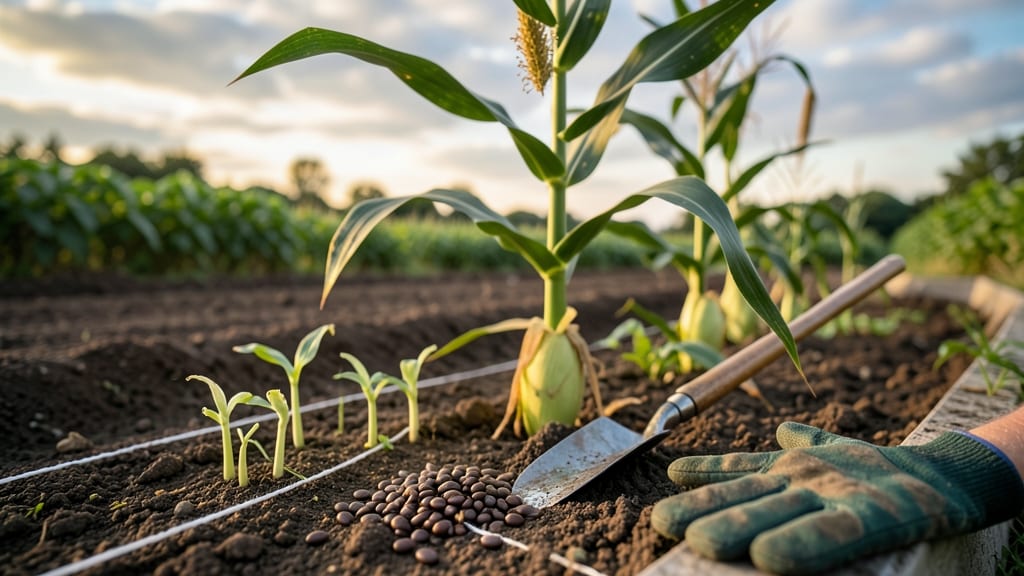
Planting corn in Virginia at the right time ensures strong germination and a bountiful harvest—and missing the window can leave you with weak stalks or no ears at all.
Timing your corn planting in Virginia can mean the difference between a bumper crop and a disappointing harvest—especially with the state’s diverse microclimates from the mountains to the coast.
In zones 7a-8b, the ideal window stretches from mid-April to late May, but soil temperature and frost risk play just as big a role as the calendar.
Most Virginia gardeners wait until after the last frost—usually around April 15—but soil needs to be at least 60°F for seeds to sprout.
That means checking your local microclimate: coastal areas like Norfolk may plant a few weeks earlier, while higher elevations like Blacksburg often push planting into early June.
Below, I’ll break down the exact dates for your region, how to adjust for early or late varieties, and the critical signs your corn is struggling from poor timing—so you can avoid common mistakes and enjoy ear after ear of sweet summer corn.
Virginia corn planting dates by USDA hardiness zones (with frost risk factors)
Virginia’s diverse climate—from the cool Shenandoah Valley to the humid Hampton Roads—means corn planting dates vary dramatically. USDA zones 3a-8a span the state, with last frost dates shifting from early April in the mountains to late March near the coast.
Planting too early risks frost damage, while waiting too long can shorten the growing season. I’ll break down exact windows by zone, plus how to adjust for your local microclimate.
Corn thrives when soil temperatures hit 60°F (15°C)—a critical threshold for germination. In Virginia, this typically occurs 2-4 weeks after the last frost, depending on elevation. Mountain regions (zones 6a-7a) may need to wait until late May, while coastal areas (zones 7b-8a) can start as early as mid-April.
Always test soil warmth with a soil thermometer before planting.
Use this frost risk calculator (link opens in new tab) to check your local frost probabilities: Virginia Frost Risk Tool. Input your ZIP code to see historical frost dates and 30-day forecasts—essential for planning succession plantings if your season is short.
| USDA Zone | Last Frost Date | Ideal Planting Window | Soil Temp Threshold | Frost Risk Note |
|---|---|---|---|---|
| 3a-4a (Mountains: Blacksburg) | May 1-15 | Late May to June 1 | 60°F+ (wait for warmth) | High late frost risk |
| 5a-6a (Piedmont: Richmond) | April 15-30 | Mid-April to May 15 | 60°F+ (test soil) | Moderate risk |
| 7a-7b (Tidewater: Norfolk) | March 20-April 10 | Late March to April 30 | 55°F+ (cooler soil ok) | Low risk (earlier planting) |
| 8a (Coastal: Virginia Beach) | March 1-15 | Early March to May 1 | 50°F+ (fast germination) | Very low risk |
For zone 6a (Piedmont), like Richmond, aim for April 15-May 15—this window balances frost risk and soil warmth. Use black plastic mulch to warm soil faster if planting early.
In zone 8a (coastal), you can even try a fall planting (August-September) for a late harvest, though yields may be smaller.
If you’re in the Shenandoah Valley (zone 5a-6a), wait until after May 1 to avoid frost. Test soil depth at 2 inches—it should stay above 55°F (13°C) for 5+ days before planting.
For dwarf varieties like 'Baby Gold', you can push dates slightly earlier, but standard corn needs warmth to thrive.
Pro tip: Plant in blocks (not rows) to improve pollination. Space seeds 4-6 inches apart and rows 30-36 inches apart. Use succession planting every 2 weeks in longer seasons (zones 7b-
Microclimate-specific corn planting adjustments for mountain, Piedmont, and coastal Virginia
Virginia’s diverse geography creates three distinct corn-growing zones, each with unique soil temperature and frost timing challenges. In the mountains, cooler nights delay planting, while coastal humidity risks fungal pressure. The Piedmont offers a middle ground but demands precise soil prep to avoid compaction.
For successful germination, corn seeds need soil temperatures above 60°F. In Blacksburg (mountain), this typically occurs by late April to early May. Meanwhile, Norfolk’s coastal warmth allows planting as early as mid-March, but requires extra vigilance against damping off from moisture.
Here’s how to adjust your planting schedule based on Virginia’s three microclimates:
| Microclimate | Ideal Planting Window | Soil Temp Threshold | Key Adjustments |
|---|---|---|---|
| Mountain (Blacksburg) | Late April–Early May | 60°F+ (last frost: May 10) | Use black plastic mulch to warm soil faster; plant sweet corn varieties like 'Peaches and Cream' for shorter seasons. |
| Piedmont (Richmond) | Mid-April–Late April | 60°F+ (last frost: April 15) | Avoid compacted soil; amend with compost. Plant dwarf varieties like 'Golden Bantam' for urban gardens. |
| Coastal (Norfolk) | Mid-March–Early April | 58°F+ (last frost: March 20) | Raise beds to improve drainage; plant early-maturing varieties like 'Silver Queen' to avoid summer humidity stress. |
In Blacksburg’s high-elevation zone, I’ve seen corn planted in early May still yield well when using row covers to protect young seedlings. The key is monitoring soil temperature with a probe—wait until it consistently stays above 60°F for 5+ days.
For Richmond’s Piedmont, I recommend testing soil pH (aim for 6.0–6.8) and adding aged compost to improve fertility. Urban heat islands here can push planting dates 1–2 weeks earlier than rural areas.
Coastal gardeners in Norfolk must watch for southern corn leaf blight—a fungal risk in humid conditions. I’ve had success using drip irrigation to keep foliage dry and planting resistant varieties like 'Pioneer Brand 33B64'.
Pro tip: Use a soil thermometer to verify readiness—corn seeds won’t germinate until soil hits 60°F consistently. In mountain zones, this can mean waiting until late May in cold springs.