
Plants
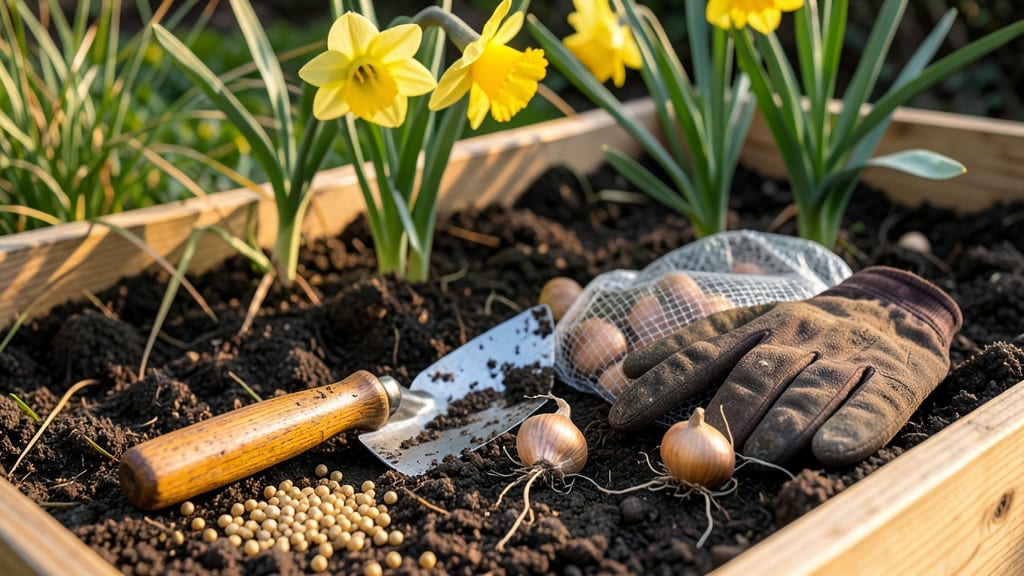
Planting daffodil bulbs in Arkansas between October and November is the secret to a show-stopping spring display 🌼 — but timing is everything, and getting it wrong means wasted bulbs or missed blooms.
Arkansas gardeners know timing is everything—plant too early, and the bulbs rot; too late, and they’ll miss spring’s vibrant show. Mastering Arkansas’ 7A-8A zone soil temperature triggers ensures your bulbs bloom like clockwork every year.
Here’s the key: wait until soil temperatures dip below 60°F (15°C), which in most of Arkansas happens around mid-October. That’s when bulbs can root without overheating, setting them up for a strong start.
Below, I’ll walk you through the exact planting window for your region, how to prep your soil, and the 3 critical mistakes Arkansas gardeners make that kill their daffodils before they even sprout.
Optimal planting months for Arkansas’ 7A-8A zones: soil temperature rules
Arkansas’ 7A-8A zones create a narrow window for planting daffodil bulbs—typically between October and November. The key isn’t just the calendar date but soil temperature, which must drop below 60°F but stay above freezing.
In Northern Arkansas (7A), aim for mid-October; Southern Arkansas (8A) can wait until early November. This timing ensures bulbs establish roots before winter dormancy.
Why soil temperature matters: Daffodils need 4-6 weeks to root before the ground freezes. If planted too early (warm soil), bulbs may rot; too late (cold soil), they won’t establish.
Use a soil thermometer ($10 at garden centers) to check—ideal temps are 50-60°F at 4 inches deep. Test in the morning for accuracy.
Here’s how Arkansas’ regional frost risks affect timing: - North Arkansas (7A): First frost often hits by November 15.
Plant by October 15 to avoid missed windows. - South Arkansas (8A): Frost arrives later (November 30), giving you until November 15 to plant. - Central Arkansas: Split the difference—target October 20-November 1.
Pro tip: Use a moisture meter alongside your soil thermometer. Daffodil bulbs need well-draining soil—if your soil stays soggy after rain, amend with compost or sand before planting. Waterlogged soil in winter can cause bulb rot, even if temps are perfect.
Missed the window? Don’t panic. If your soil is still workable (not frozen), you can plant as late as December, but expect smaller blooms next spring. The trade-off: Bulbs planted in December may not fully root before winter, but they’ll still survive Arkansas’ mild winters in Zone 8A.
Just avoid planting after the first hard frost.
For Northern Arkansas gardeners, mark your calendar for October 15—this is your last chance to plant before soil temps drop too low. In Southern Arkansas, you have more flexibility until November 15, but don’t wait until December unless you’re in a microclimate with later frosts.
Check your local Cooperative Extension Service for frost date averages in your county.
One common mistake Arkansas gardeners make is planting too shallowly (less than 6 inches deep). Daffodil bulbs need depth to insulate against winter temps. Aim for 6–8 inches deep, with the pointy end up.
In heavy clay soils (common in Central Arkansas), plant 8 inches deep to prevent heaving during freeze-thaw cycles.
Extend your planting window by mulching after planting. Apply 2–3 inches of straw or shredded leaves to insulate bulbs and retain moisture. This extra layer can push your last planting date by 1–2 weeks, especially in Zone 8A areas.
Just remove the mulch in early spring to allow shoots to emerge.
Remember: Daffodils are hardy perennials, but their first year sets the stage for future blooms. By following Arkansas’ soil temperature rules and regional frost dates, you’ll ensure your bulbs establish strong roots and reward you with vibrant spring blooms for years to come. 🌼
Step-by-step daffodil bulb planting guide for Arkansas gardens
Now that you’ve picked the perfect October-November window for Arkansas’ 7A-8A zones, let’s dig into the hands-on steps. Daffodils thrive when planted at the right depth, spacing, and soil conditions—critical details Arkansas gardeners often overlook.
I’ll walk you through each step, including how to prep your soil for optimal drainage and how to avoid the most common mistakes that lead to bulb rot or weak blooms.
Start by selecting a sunny planting site with 6+ hours of sunlight daily. Daffodils tolerate partial shade, but full sun produces the most vibrant blooms. If your yard has heavy clay soil common in Arkansas, amend it with 2-3 inches of compost or well-rotted manure to improve drainage.
Poor drainage is the #1 reason daffodil bulbs fail in our state’s humid climate.
⚠️ callout warning ⚠️
⚠️ Arkansas-Specific Warning: Timing is Critical!
Planting daffodil bulbs too early (before soil temps drop below 60°F) causes them to sprout and rot. Planting too late (after first frost) means they won’t establish roots before winter. North Arkansas (Zone 7A) should plant by mid-October, while South Arkansas (Zone 8A) has until early November.
🌡️ Pro Tip: Test soil temps with a soil thermometer—aim for 50-60°F at planting time.
For planting depth, use the 3x rule: dig a hole 6-8 inches deep (about 3 times the bulb’s height). Place the bulb pointy end up—this ensures proper growth.
Space bulbs 4-6 inches apart for standard varieties or 3 inches apart for dwarf types like ‘Tête-à-Tête’. Proper spacing prevents overcrowding and fungal diseases in Arkansas’s damp springs.
After planting, water deeply to settle the soil and remove any air pockets around the bulbs. Then, apply a 2-inch layer of mulch (straw or shredded leaves work well) to insulate the bulbs through winter. Avoid heavy mulch that could suffocate the bulbs—just enough to protect without smothering.
Common Arkansas mistakes include planting bulbs too shallow (they’ll flop over) or too deep (they won’t bloom). Another pitfall is fertilizing right after planting—wait until early spring when you see green shoots. Overwatering in winter can also rot bulbs, so only water if we have a dry spell.
Once planted, daffodils are low-maintenance. Let the foliage die back naturally after blooming—this feeds the bulb for next year’s flowers. In Arkansas’s climate, daffodils often multiply yearly, so you’ll get more blooms without replanting. Just deadhead spent flowers to encourage stronger stems for next season.