
Plants
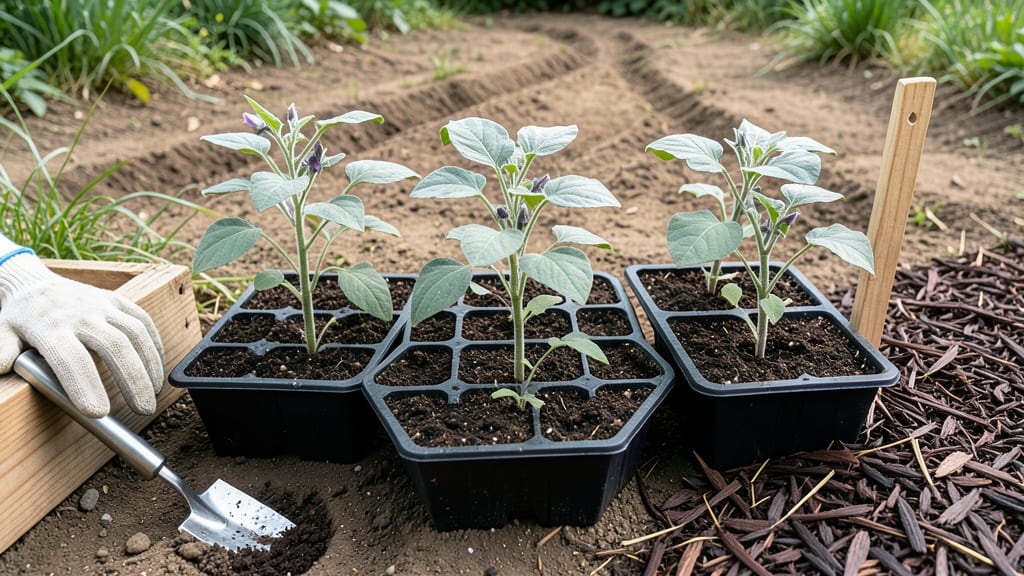
Planting eggplant in California at the right time means the difference between a thriving 🍆 harvest and a wasted season—especially when coastal and inland zones demand completely different timing.
Timing your eggplant planting in California can mean the difference between a bountiful harvest and a sad, wilted failure—especially when coastal and inland climates demand opposite strategies. Get the exact deadlines for your region to maximize yields and avoid common pitfalls.
Coastal areas like San Francisco and Los Angeles can start as early as February, thanks to milder winters and delayed frosts, while inland regions like the Central Valley should wait until March or April to avoid heat stress.
The key is soil temperature—eggplants need at least 70°F (21°C) to thrive, and waiting for that warmth ensures strong roots and fruit production.
In this guide, I’ll break down the perfect planting windows for your microclimate, share soil prep secrets, and reveal how to stretch your harvest into fall—no matter where in California you garden.
California eggplant planting deadlines by microclimate: coastal vs. inland timelines
Eggplants thrive in California's warm climate, but planting deadlines vary dramatically between coastal and inland regions. The cooler coastal areas like San Francisco and Los Angeles offer earlier planting windows, while inland valleys like Sacramento and Fresno require later starts.
Understanding these differences ensures your eggplants get the heat and sunlight they need to produce abundant fruit.
For coastal gardeners, the last frost date typically falls around January 15, but eggplants shouldn't go in until soil warms to at least 70°F (21°C).
Inland areas experience their last frost around December 15, but the real window opens when daytime highs consistently reach 75°F (24°C)—usually by early March. These temperature differences create a 4-6 week planting window gap between coastal and inland regions.
Here's the critical comparison you need to time your eggplant planting perfectly:
| Factor | Coastal (SF/LA) | Inland (Sacramento/Valley) |
|---|---|---|
| Last Frost Date | January 15 | December 15 |
| Ideal Soil Temp | 70°F+ (Feb-March) | 75°F+ (March-April) |
| Start Indoors | January 15-Feb 1 | February 15-March 1 |
| Transplant Outdoors | March 15-April 15 | April 15-May 15 |
| Last Planting Date | May 1 (cooler summers) | June 1 (hotter summers) |
| First Harvest Window | June-July | July-August |
| Key Challenge | Coastal fog delays growth | Extreme heat stress |
Coastal gardeners in San Francisco and Los Angeles should start eggplant seeds indoors by mid-January to give them a head start against the chilly coastal springs. Transplant these seedlings outdoors between mid-March and mid-April when nighttime temperatures consistently stay above 55°F (13°C).
The cooler coastal summers mean you'll want to get your plants in the ground early to maximize the harvest window before fall rains arrive.
Inland gardeners in the Central Valley and Sacramento area have more flexibility due to warmer soil and longer growing seasons. Start seeds indoors by mid-February and transplant outdoors between mid-April and mid-May.
The hotter inland summers allow for later planting—even up to early June—but be prepared to provide afternoon shade during peak heat waves to prevent fruit sunscald.
One critical factor both regions share is the need for warm soil temperatures. Eggplants won't germinate in cold soil, so consider using black plastic mulch or soil warming cables if your spring starts late.
Test soil temperature with a soil thermometer—it should read at least 70°F (21°C) at a depth of 2 inches before planting.
The harvest timeline also differs significantly. Coastal eggplants typically produce fruit from June through September, while inland varieties can continue bearing until October or November if protected from early frosts.
In both regions, continuous harvesting encourages more production—eggplants are heavy feeders and will reward you with more fruit if you keep picking.
For both coastal and inland gardeners, succession planting every 2-3 weeks
How to adjust eggplant planting for California’s unpredictable weather patterns
California’s weather throws curveballs—coastal fog can linger into June while inland valleys hit 100°F+ by May. Eggplants, warm-season divas, need consistent warmth to thrive, but late frosts and heatwaves can derail your harvest.
The key? Proactive adjustments to match your microclimate. I’ll show you how to outsmart Mother Nature with soil warming, shade strategies, and backup planting dates tailored to California’s chaos.
First, soil temperature is your #1 priority. Eggplants refuse to germinate below 70°F (21°C), and even established plants wilt under stress if soil stays cool.
In coastal areas like Santa Cruz, where fog delays warming, use black plastic mulch or clear plastic tunnels to raise soil temps by 10-15°F. Inland growers in Bakersfield face the opposite—soil overheating—so shade cloth (30-50%) becomes your best friend during June-August.
⚠️ CALLOUT WARNING ⚠️
Even in USDA Zone 10, San Francisco’s April frosts can kill young eggplants. Never plant before May 15—wait until nighttime temps stay above 55°F. For extra protection, use frost blankets or grow in containers you can move indoors if needed. Inland areas? Plant by March 1 to avoid summer’s brutal heat stunting growth.
For heatwaves, prioritize shade cloth and drip irrigation. When temps hit 95°F+, eggplants stop flowering—leading to fewer fruits. Install 30% shade cloth to filter direct sun while keeping humidity up. Water deeply at dawn to prevent blossom drop, and mulch with straw or wood chips to keep roots 5-10°F cooler. Pro tip: Prune lower leaves to improve airflow and reduce fungal risks from trapped moisture.
If your first planting fails (hello, unpredictable fog!), have a backup plan. In coastal zones, sow succession seeds every 2 weeks from May-July for staggered harvests.
Inland growers should start indoors in February and transplant late May to avoid July’s scorching peak. Container gardening is another lifesaver—move pots to shadier spots during heatwaves or brighter areas when fog rolls in.
Don’t overlook fog’s sneaky chill. Coastal gardeners often underestimate how prolonged fog (like in Monterey) can delay soil warming. Test soil temps with a thermometer—aim for 75°F+ before planting.
If temps lag, use row covers during the day to absorb sunlight and remove them at night to prevent overheating. Pair this with fertile, well-draining soil (amend with compost and perlite) to help roots adapt to temperature swings.
Finally, choose heat-tolerant varieties like ‘Ichiban’ or ‘Rosa Bianca’—they handle 90°F+ better than ‘Black Beauty’. Combine this with regular pruning to focus energy on fruit production over leafy growth. With these tweaks, you’ll beat California’s weather and enjoy plump, glossy eggplants from July through October. 🌱