
Plants
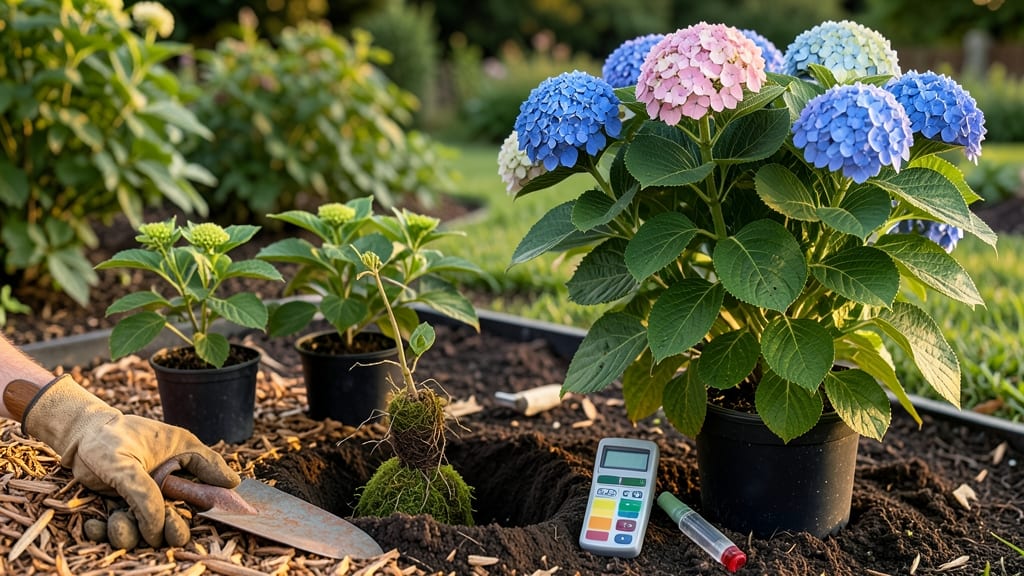
Planting hydrangeas in Utah requires timing that balances frost risks and summer heat, with April-May or September-October windows offering the best odds for thriving 🌸 blooms.
Utah’s unpredictable climate—from freezing mountain air to scorching desert heat—can turn hydrangea planting into a high-stakes guessing game. Plant too early, and frost will kill your blooms; too late, and summer droughts will stunt growth.
Most Utah gardeners in USDA Zones 5-7 swear by fall planting, when cooler temps and consistent moisture give roots a head start before winter. But spring planting still works if you wait until soil warms to 55°F and nighttime temps stay above 40°F.
Below, I break down the exact deadlines for your region, soil prep secrets for Utah’s alkaline dirt, and how to adjust for high desert vs. mountain microclimates—so your hydrangeas burst into color without the guesswork.
Utah hydrangea planting deadlines by USDA Zone (spring vs. fall)
Utah’s USDA Zones 4-9 create a unique challenge for hydrangea growers, where last frost dates can vary by 1000+ feet in elevation.
The Salt Lake Valley (Zone 7) and Wasatch Front (Zone 6) have different timelines than high-desert areas like Moab (Zone 8) or mountain regions near Park City (Zone 5). Get the timing wrong, and your bigleaf, panicle, or oakleaf hydrangeas may struggle—or worse, die before blooming.
Spring planting in Utah hinges on soil temperatures reaching 55°F (13°C) consistently, while fall planting requires 6-8 weeks before first frost for roots to establish. Below, I’ve broken down the exact month-by-month windows for each zone, plus microclimate adjustments for Utah’s most common growing areas.
🌱
| USDA Zone | Spring Planting Window | Fall Planting Window | Last Frost Date | Soil Temp Threshold |
|---|---|---|---|---|
| Zone 4 (Park City, Logan) | Mid-May to early June | Late August to mid-September | May 15 | 55°F (13°C) |
| Zone 5 (Ogden, Provo) | Late April to mid-May | Early September to late September | April 20 | 55°F (13°C) |
| Zone 6 (Salt Lake City) | Early April to mid-May | Late August to early October | April 10 | 50°F (10°C) |
| Zone 7 (St. George, Cedar City) | Mid-March to April | September to mid-October | March 1 | 50°F (10°C) |
| Zone 8 (Moab, Bluff) | February to March | October to November | January 15 | 45°F (7°C) |
For Zone 4-5 areas like Park City or Logan, panicle hydrangeas (like 'Limelight') handle Utah’s cold snaps better than bigleaf varieties. In Zone 7-8, where summers can exceed 100°F (38°C), oakleaf hydrangeas thrive with afternoon shade to prevent leaf scorch.
Microclimates matter: Salt Lake Valley (Zone 6) warms faster than Wasatch Front foothills, so adjust planting by 1-2 weeks earlier if you’re near urban heat islands. High-desert areas like Moab (Zone 8) have cooler nights, allowing fall planting up to mid-November if soil stays above 40°F (4°C).
🌿
If you’re planting bare-root hydrangeas, soak roots for 2-3 hours before transplanting to reduce shock. For container-grown plants, wait until soil temperatures exceed 60°F (16°C)—even if frost dates suggest otherwise. In Utah’s dry climates, mulch with 3 inches of wood chips to retain moisture and regulate
5 Critical signs your Utah hydrangeas are ready for spring planting
Utah’s spring weather can be deceptive—warm days may fool you into planting hydrangeas too soon, but frost pockets in mountain valleys or late snowmelt in high desert areas demand patience. I’ve learned the hard way that rushing hydrangeas into cold soil stunts root growth and invites fungal diseases.
Instead, watch for these five key signs that your hydrangeas are truly ready for Utah’s unpredictable planting season.
First, check your soil temperature using a simple soil thermometer. Hydrangeas thrive when soil reaches at least 60°F—any cooler, and roots struggle to establish. In Utah’s USDA Zones 5-7, this typically aligns with mid-to-late April, but high-elevation areas like Park City may need to wait until early May.
Pro tip: Test soil in the morning shade for the most accurate reading.
- 🌡️ Soil temp reaches 60°F+ (use thermometer)
- 🌱 Bud swelling visible on 2+ nodes per stem
- ☀️ Daytime temps consistently above 50°F for 5+ days
- 💧 Snowmelt complete in planting area (no ice in soil)
- 📋 Container roots circling pot edges (for potted plants)
Next, examine your hydrangea’s bud development. Healthy buds will show visible swelling along the stems—think of them as tiny green pea pods. For bigleaf hydrangeas, aim for 2-3 swollen buds per stem; panicle varieties need at least one.
If buds remain tight and dormant, your plant isn’t ready. I once planted bare-root hydrangeas with just a single swollen bud, and they took three weeks longer to recover from transplant shock.
Pay attention to Utah’s snowmelt patterns, which vary wildly by region. In northern Utah (Zone 5), snow may linger until early May, while southern Utah (Zone 7) can be snow-free by March. Wait until all ground ice has melted and the soil feels dry to the touch.
A quick test: Dig a small hole (6 inches deep) and check for moisture—if it’s still icy or saturated, delay planting. Container-grown hydrangeas are slightly more flexible, but they still need stable soil temps.
For bare-root transplants, look for firm, white roots about 3-4 inches long. If roots appear shriveled or brown, they’ve dried out and need soaking for 1-2 hours before planting.
I always soak bare-root hydrangeas overnight in room-temperature water to revive them. Meanwhile, container-grown plants should have roots circling the pot edges—this indicates they’re ready to stretch into Utah’s nutrient-rich soil.
Finally, monitor daytime temperatures. Hydrangeas tolerate brief light frosts (down to 28°F for mature plants), but young transplants need consistent warmth. Aim for 5 consecutive days above 50°F before planting. In Utah’s Wasatch Front, this often means waiting until late April.
Use a minimum-maximum thermometer to track nighttime lows—if temps dip below 40°F, cover new plants with frost cloth for the first week.
Once you’ve confirmed all five signs, it’s time to plant! Remember: spring planting in Utah rewards patience—rushing leads to stunted blooms or worse. For extra protection, mulch heavily with wood chips or straw to regulate soil temperature and retain moisture during Utah’s unpredictable spring rains. 🌸