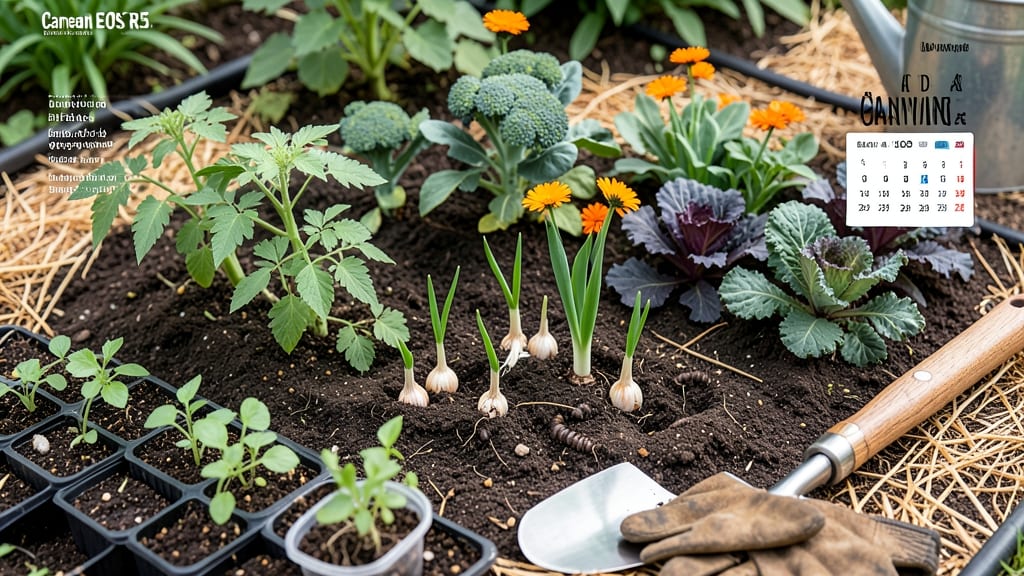
To plant in Washington State, timing is everything—and getting it wrong means wasted seeds or stunted plants.
Washington State’s diverse microclimates—from the rain-soaked Puget Sound to the arid Columbia Basin—mean planting times can vary by weeks, not just days. Whether you’re growing cool-season crops like spinach or warm-season favorites such as tomatoes, the right schedule depends on your exact location.
Western WA gardeners can start seeds in early March, while Eastern WA growers often wait until May. Even within regions, microclimates shift frost dates by two to four weeks, so a one-size-fits-all approach won’t work.
This guide breaks down the exact start dates for 14 key areas, including frost-free windows and crop-specific tips.
Skip the guesswork and learn how to align your planting with Washington’s unique growing conditions—so you can enjoy a bountiful harvest without the trial and error.
🌱
When to Plant General Planting Guide Planting Guide Planting Guide
Jan
❄️
Feb
🌱
Mar
🌱
Apr
🌱
May
🌱
Jun
🌱
Jul
☀️
Aug
🌱
Sep
🌱
Oct
🍂
Nov
🍂
Dec
❄️
Washington State planting zones explained: how microclimates dictate your start dates
Washington State spans USDA Hardiness Zones 5b through 9a, creating dramatic differences in planting windows. The San Juan Islands (Zone 9a) can plant tomatoes in March, while Spokane (Zone 6b) waits until May.
These variations aren't just about degrees—they dictate frost dates, soil warming, and even pest cycles. Understanding your microclimate means the difference between a thriving garden and wasted seeds.
Your last spring frost and first fall frost are the bookends of your growing season. In Western WA, the last frost typically arrives between March 15 and April 15, while Eastern WA often sees frost lingering until May 15 or June 1.
Similarly, fall frosts strike Eastern WA first (as early as September 15) compared to Western WA (often October 15 or later). These dates shift dramatically even within short distances—Mount Rainier's foothills can be 3-4 weeks later than Seattle.
Here’s the critical insight: Cool-season crops like kale, peas, and spinach thrive when planted 4-6 weeks before your last frost, while warm-season crops such as tomatoes, peppers, and beans need soil temperatures above 60°F and frost-free conditions.
The table below breaks down these windows by region, helping you align your planting schedule with Washington’s unpredictable weather patterns.
| Region |
USDA Zone |
Last Spring Frost |
First Fall Frost |
Cool-Season Start |
Warm-Season Start |
| San Juan Islands |
9a |
March 15 |
November 1 |
February 15 |
April 1 |
| Seattle/Puget Sound |
8a-8b |
March 30 |
October 30 |
February 28 |
April 15 |
| Skagit Valley |
8b |
April 1 |
November 5 |
March 15 |
April 30 |
| Mount Rainier Foothills |
7a |
May 10 |
October 10 |
April 1 |
May 20 |
| Yakima Valley |
6b-7a |
May 15 |
September 20 |
April 15 |
June 1 |
| Wenatchee |
6a-6b |
May 20 |
September 15 |
April 10 |
June 5 |
| Spokane |
6b |
May 10 |
October 5 |
April 1 |
May 25 |
| Columbia Basin |
5b-6a |
June 1 |
Region-by-region planting calendar: exact start dates for 14 Washington areas
Washington’s diverse regions demand precision when planning your garden. From the mild coastal climate of Bellingham to the hot, dry summers of the Columbia Basin, each area has unique last frost dates and ideal planting windows.
Whether you’re growing strawberries in Skagit Valley or potatoes in the Palouse, timing is everything. Below, I’ve broken down the exact start dates for 14 key regions, so you can plant with confidence and avoid costly mistakes.
For example, Western Washington (like Seattle and Olympia) has longer growing seasons with last frost dates as early as March 15, while Eastern Washington (Spokane, Wenatchee) often waits until May 1 or later.
These differences mean the gap between planting cool-season crops like lettuce and warm-season crops like tomatoes can shift by 6 weeks or more. Let’s dive into the specifics for each region.
| Region |
Last Frost Date |
First Frost Date |
Cool-Season Start |
Warm-Season Start |
Key Crops |
| Western WA (Seattle, Bellingham) |
March 15 - April 15 |
October 15 - November 15 |
February 15 - March 15 |
April 15 - May 1 |
Strawberries, Kale, Peas |
| Eastern WA (Spokane, Wenatchee) |
May 1 - June 1 |
September 15 - October 15 |
April 1 - April 15 |
June 1 - June 15 |
Potatoes, Beets, Tomatoes |
| Skagit Valley |
March 1 - March 15 |
November 1 - November 15 |
January 15 - February 15 |
April 1 - April 15 |
Strawberries, Spinach, Carrots |
| Columbia Basin (Yakima, Pasco) |
April 15 - May 1 |
October 1 - October 15 |
March 15 - April 1 |
May 15 - June 1 |
Onions, Peppers, Melons |
| Mount Rainier Foothills |
April 1 - April 15 |
October 15 - November 1 |
March 1 - March 15 |
May 1 - May 15 |
Rhubarb, Blueberries, Lettuce |
| Palouse (Pullman, Moscow) |
May 1 - May 15 |
September 30 - October 10 |
April 15 - May 1 |
June 15 - July 1 |
Wheat, Garlic, Potatoes |
| San Juan Islands |
March 1 - March 10 |
November 10 - November 20 |
February 1 - February 15 |
April 1 - April 10 |
Asparagus, Radishes, Beets |
| Olympia |
March 20 - April 5 |
October 20 - November 5 |
February 20 - March 10 |
April 10 - April 25 |
Green Beans, Zucchini
★★★★★5.0(1 review)
| |