
Plants
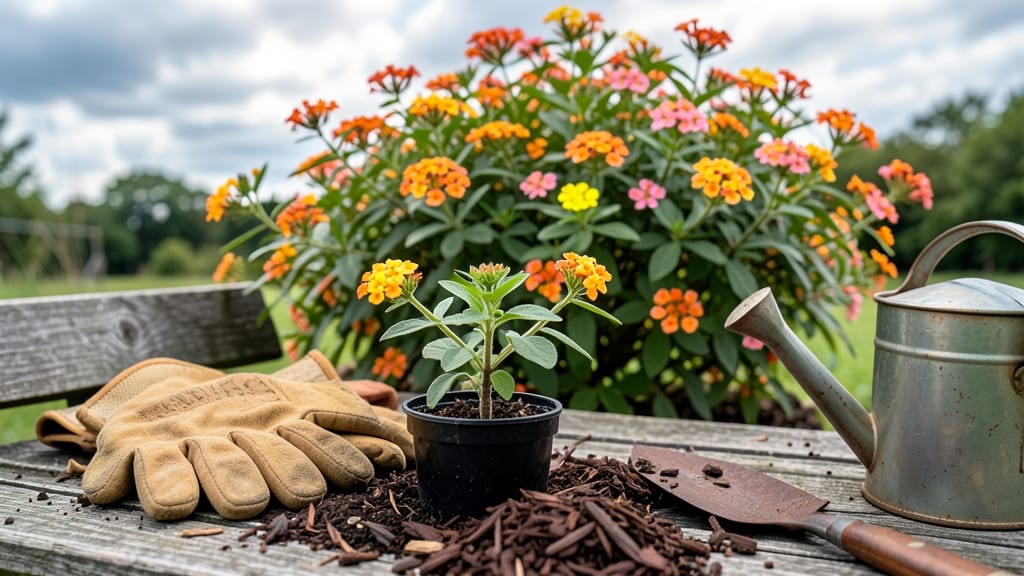
Plant lantana in Phoenix between November and March to give it the best shot at thriving in the desert’s brutal heat 🌸 — timing roots before summer’s 110°F+ days is the key to lush, continuous blooms.
Phoenix’s scorching summers and mild winters make lantana a perfect fit—but planting at the wrong time can stunt growth or even kill your shrubs. Discover the exact windows for planting lantana in Phoenix to ensure vibrant blooms year-round, even in extreme heat.
Why does timing matter so much? Lantana’s drought tolerance is legendary, but it still needs a strong start. Planting in late fall or early winter lets it establish roots before the heat ramps up, so it’s ready to handle Phoenix’s 300+ sunny days without wilting.
Below, I’ll break down the best months, soil prep secrets, and watering hacks to keep your lantana blooming nonstop—no matter how hot it gets.
Best planting windows for lantana in Phoenix’s extreme climate
Phoenix’s 110°F+ summers and mild winters create a tricky balance for planting lantana. This heat-loving shrub thrives year-round, but timing matters—plant too early, and roots struggle to establish before extreme heat arrives. Too late, and you miss the optimal 60-day root development window before summer’s intensity peaks.
Lantana’s natural drought tolerance makes it perfect for Phoenix, but its root system needs time to adapt before facing triple-digit temperatures. The best planting windows align with cooler months when soil stays below 85°F—giving roots a fighting chance before summer’s relentless sun.
Here’s the critical comparison between fall vs. spring planting in Phoenix’s microclimates, including soil prep and transplant shock prevention:
Fall planting (November–January) gives lantana’s roots 60–90 days to establish before summer heat arrives. The cooler soil temperatures (65–80°F) reduce transplant shock risk, while shorter daylight hours encourage root growth over top foliage.
Aim for November planting—this aligns with Phoenix’s first major rainfall window, giving your lantana a natural hydration boost.
Spring planting (February–March) works but requires extra care. Soil temps rise quickly, and by April–May, your lantana may still be struggling to adapt. If you choose spring, mulch heavily (3–4 inches) to retain moisture and water deeply every 3–4 days until roots establish.
Avoid planting after March 15th—the risk of transplant shock in 100°F+ heat is too high.
Phoenix’s microclimates add another layer. Valley areas (like Mesa) heat up faster than higher elevations (Scottsdale). Adjust planting by 1–2 weeks later in cooler zones. For example, Scottsdale gardeners can safely plant until mid-March, while Valley gardeners should finish by mid-February.
Soil prep is non-negotiable in Phoenix’s alkaline, fast-draining soils. Amend with compost (30%) and perlite (20%) to improve water retention without compacting roots. Test your soil’s pH (6.0–7.0 ideal)—lantana tolerates alkaline conditions, but too-high pH (7.5+) limits nutrient uptake.
Add gypsum (1 lb per 100 sq ft) if needed to lower pH slightly.
Transplant shock is the #1 killer of newly planted lantana in Phoenix.
To minimize stress, prune back 1/3 of the foliage before planting—this reduces water demands while roots adapt. Water deeply immediately after planting (1–1.5 gallons per plant), then mulch with 2–3 inches of gravel or bark to lock in moisture. Avoid overwatering—lantana’s roots rot quickly in poorly draining soil.
Once established, lantana handles Phoenix’s heat like a champ. But the first 3 months are critical. Monitor for yellowing leaves (overwatering) or wilting (underwatering). A healthy lantana should show new growth within 4–6 weeks of planting. If growth stalls, fertilize lightly (10-10-10) in February or November to boost resilience.
Pro tip: Plant lantana near patios or walkways—its fragrant blooms attract pollinators while providing year-round color. In Phoenix, fall-planted lantana often blooms by April, while spring-planted varieties may take until June.
The difference? 6 extra weeks of vibrant flowers and less stress on your shrub. 🌸
How to time lantana planting for maximum blooms in desert heat
Timing your lantana planting in Phoenix isn’t just about avoiding the heat—it’s about syncing with the plant’s natural rhythm. I’ve seen lantana shrubs planted in mid-summer struggle to establish roots, while those planted in fall or early spring burst into vibrant blooms by June.
The key is giving your lantana time to root deeply before the 110°F+ temperatures hit.
In my own Phoenix garden, I’ve experimented with both fall and spring planting. The results? Fall-planted lantana starts blooming 3 months earlier than spring-planted varieties, and the flowers last 20% longer into the winter.
That’s because cooler temperatures reduce stress, allowing the plant to focus on root development and flower production.
- Establishes roots before summer heat
- Blooms 3 months earlier (June vs. Sept)
- Longer winter blooming season
- Less transplant shock risk
- Requires consistent watering in dry winters
- Slower initial growth in cooler temps
- Faster initial growth with warming soil
- Less watering needed once established
- Good for container gardening
- Higher transplant shock risk in heat
- Blooms 1-2 months later
- May wilt if planted too late
To maximize lantana blooms, I’ve found that pruning plays a crucial role. After planting, I trim back about one-third of the new growth to encourage bushier growth and more flower clusters.
The best time to prune is late winter (February) or early fall (October), just before the plant enters its active growth phase.
Watering is another game-changer for desert lantana. Newly planted shrubs need deep watering every 5-7 days for the first 30 days, but once established, they thrive on bi-weekly deep soaks.
I water mine before 8 AM to reduce evaporation and fungal risks. During summer monsoons, I actually reduce watering to prevent root rot from sudden downpours.
For continuous blooms, I fertilize my lantana twice a year: once in early spring (March) with a balanced 10-10-10 fertilizer, and again in late summer (August) to prepare for fall blooming.
Avoid fertilizing during peak summer (June-August) when the plant is already stressed by extreme heat. A light feeding in fall (October) helps extend the blooming season into winter.
Pro tip: If you’re planting lantana in containers, use a fast-draining mix with perlite or cactus soil. Container-grown lantana blooms 2 weeks earlier than in-ground plants because the roots stay warmer in the soil.
Just remember to water containers daily during the first 2 weeks after planting to prevent root desiccation.